Showing posts with label Greek. Show all posts
Showing posts with label Greek. Show all posts
Thursday, September 16, 2010
John of Nikiu: Rome and Macedonia
This is the final post on John of Nikiu. After the round-up of the final Persian emperors, John moves backward in time the better part of a millennium to introduce Aeneas as the beginning of Roman history. In between three chapters (52-54) on The activities of Aeneas and what would appear to be his son – though without anything close to associating the son as the ancestor of Julius Caesar – and the foundation of Rome itself, he takes Chapter 55 to relate the foundation of Carthage by Dido, mixing as best I can tell the mythology of her as a contemporary of Aeneas and the history that placed the city's foundation less than a century before Rome's.
Romulus and Remus are placed contemporary to the Judean king Hezekiah, continuing John's method of Biblical dating for events outside the scope of Jewish history. While skipping the fabulous elements of their birth and infancy, their adult career is more or less traditional. Just as Chapter 56 shows how Romulus instituted Rome's institutions for war, Chapter 57 shows how his successor Numa Pompilius instituted Rome's institutions for peace.
John then skips back ahead about three centuries to King Philip of Macedonia; because his reign was either after or just at the cusp of the end of the Jewish Bible's time period, he can only date it by explaining, "in the days of the high priest of Jerusalem," to begin Chapter 58, which isn't very specific as whenever the Temple stood, there was a high priest. His main point for Philip was the foundation of Thessalonica after defeating the people of Thessaly. His son, Alexander, arrives in the next chapter, with his first act recorded being the foundation of Alexandria after conquering Egypt. Early attention is also paid to events near Byzantium. He calls Roxana a daughter of Darius that he married after he defeated him, when Roxana was actually a Bactrian. He also spends time on an adventure wherein a Candace, queen of Ethiopia – like Philostorgius, it seems likely Ethiopia and India are being confused because he went to India but not Ethiopia, although a Wikipedia search suggests otherwise – who was able to capture Alexander. He considers a relatively clean division on Alexander's death of his empire, quite a historically, with the single exception of warring between Antigonus and Seleucus over Syria (Chapter 61). In Chapter 62, he tells us that the Chronicle genre was invented by "Seleucus, that is Pausanias"; because this is in the midst of Syrian history, which contained many kings named Seleucus, it is unclear whether this was one of those kings, or even a Syrian. Chapter 63 says that Antiochus Epiphanes persecuted with Maccabees, without any indication that the latter ended up victorious.
Perhaps the greatest proof of the exclusive interest in kingship for John is that he skips over the entire Republican period of Rome. Under the Republic, Rome grew from an individual city to an empire that encompassed nearly the entire Mediterranean (and of course the three Punic Wars would make the inclusion of Carthage's founding more important), although with at least a de jure exception of Egypt. Yet, after the second king of Rome and the excursus on Macedonia, he goes directly to Julius Caesar in Chapter 64. And even with Caesar, whose life is one of the best attested in all of antiquity, his description reads as much of romance as history. He begins by insinuating a portent from his birth by Caesarian section, saying, "The birth of Julius was not like the birth of (ordinary) men." His first act as an adult is to be "named" a Triumvir, as if it were an official office rather than an informal political alliance, and directly from that to king – even Shakespeare knew better than to think he became a king! John seems to say Caesar fought the Persians, which he did not, and then that he actually married Cleopatra, when their affair was extramarital. He then takes two chapters to explain how two client kings, Archelaus of Cappadocia and Herod of Judea, gave him support. Chapter 67 then talks about the works of Cleopatra, giving an extremely positive assessment, likely out of national pride. Her death – no reason given – segues into Augustus taking possession of the country. All the civil wars, Julius Caesar's assassination, and even Cleopatra's relationship with Mark Antony, are completely scrubbed from the Chronicle.
Augustus is most important to Bishop John because it was during his reign that Jesus was born. Following Luke, he was born in Bethlehem during the census; for good measure, he adds that Augustus decreed the census on the advice of a certain Eumenes and Attalus. As there is no testimony to the census outside of the Christian tradition, it is assuredly fictional, as the names of Eumenes and Attalus suggest – they were the names used by the kings in the 3rd and 2nd century BCE dynasty ruling the Roman-ally and Hellenistic kingdom of Pergamum in Asia Minor. As even John recognizes, the purpose of a census was to determine tax levels at a time when taxation was indirect; place of family origin was irrelevant. What's more, Nazareth and the rest of the Galilee, had once been part of the Northern Kingdom of Israel that was exiled (and lost) by the Assyrian Empire. Thus, every Jew living there had an ancestral home in the south, not just Jesus' family. The chapter ends returning to Augustus and his machinations with the calendar.
Chapter 69 briefly relates the reign of Tiberius, mainly some tributes to him, and, of course, the crucifixion of Jesus in Jerusalem. He skips completely over Caligula to the death of Claudius and the reign of Nero. He explains, in Chapter 70, that Nero "was a pagan and an idolater" as if this somehow made him unique; in fact, his Stoic teaching from Seneca and marriage (odd as it was) to the enigmatic Poppaea Sabina probably made his paganism less egregious than many for most of his reign, but more on this in the future. John includes his marriages to men, for which reason he says that after his flight from Rome "his belly grew distended and became like that of a pregnant woman" so his doctor opened it thinking a baby would be born, but Nero died. Again, John has included as much of the fantastic as the historic.
All four emperors of 69 CE and their civil wars are again ignored, as is the destruction of the Temple in Jerusalem, moving to Titus' death and Domitian's reign at Chapter 71. He is condemned – somewhat surprisingly unlike Nero – for his persecution of Christians, including John the Evangelist. He was put to death for his misdeeds and the "very excellent, humane, and wise" Nerva was chosen to be the next emperor. After his short reign, the "idolatrous" Trajan appears in Chapter 72, mostly for his persecutions of Christians. A Jewish rebellion in Alexandria and Cyrene also leads to some building activity in Egypt, which was added to by his successor Hadrian in the next Chapter. Chapter 74 explains the reigns of Antoninus Pius and Marcus Aurelius: the former "was the first to do justice" in Rome and "punished…evil" in Egypt; the latter followed in his footsteps. For centuries (although not, to my knowledge, in antiquity itself), the rulers from Nerva to Marcus Aurelius have been known as the "Five Good Emperors." Finally, in these chapters, John and I are in basic agreement that the really good ones were Nerva, Antoninus Pius, and Marcus Aurelius, although I think it was Hadrian (whom he treats neutrally) that was the worst.
Chapter 75 skips ahead about seventy years, including the entire period of the Severan dynasty and very close to the period written about by the very competent Herodian. Decius was solely important for his persecutions of Christians; these were, historically, of a much more widespread and official nature than their predecessors (of course, Christianity was much more widespread by 250 CE, too). The next chapter considers Aurelian, and the next Diocletian. The beginning of Diocletian's reign is still a century before my stopping point in 383, but as this is where the next book I will be writing about picks up, I will reserve anything of salience from John during the Diocletian to Gratian period to that post.


Wednesday, September 15, 2010
John of Nikiu: Greece, Israel, Babylonia, and Persia
Now that we have separated the mythology of Greece from the legend of Assyria, I will continue my discussion of the Chronicle of John, Bishop of Nikiu. So far, John has written of Mesopotamian/Iranian "history" and some Egyptian "history." Next, he comes to legendary Greek history. Again, he conflates it with legend.
In Chapter 22, he writes of Inachus as a descendent of Noah's son Japhet; to the Greeks he was a deified/personified river (one of the many sons of Oceanus and Tethys), and he stands at the head of the genealogy of Argive mythology. John says he instituted worship of the Moon as Io; while this is a traditional identification, Io was considered a daughter or otherwise descendent of Inachus who was seduced by Zeus. John may have this in mind in the next chapter as Zeus has a daughter Libya with a woman that might refer again to Io; Libya married Poseidon (his first mention), and "named the country over which he ruled after" her. Among their sons were Belus and Agenor. Agenor moved and founded Tyre, and his sons were the eponymous founders of Syria, Cilicia, and Phoenicia. A Cretan king, in Chapter 24, attacked Tyre and stole away Europa to marry her; John considers her of the race of Zeus. In mythology, she was a princess of the line under discussion, but her seduction was also by Zeus. The following chapter again misses the connection—John mentions the Theban Laius and Oedipus, without explaining as in myth that their antecedent Cadmus arrived there while searching for his sister, Europa.
At Chapter 27, he turns to the Biblical Melchizedek, king of Jerusalem. He calls him "holy though of gentile origin," which is silly because he was a (seemingly older) contemporary of Abraham, the first Jew. The gentile distinction should be obvious. He extrapolates an awful lot on the Bible's lack of history for him – Jewish commentary usually identifies him with Shem, while Christians often relate him to Jesus. Even more oddly, he spends much more attention on Melchizedek than on Abraham, and almost none for Isaac, Jacob, or his children (including Joseph). It is only at Chapter 30 that he gets to the Exodus from Egypt, and with characteristic perspective from the Egyptian side as the Jewish. Egyptian and Jewish affairs continue through the time of David and Solomon.

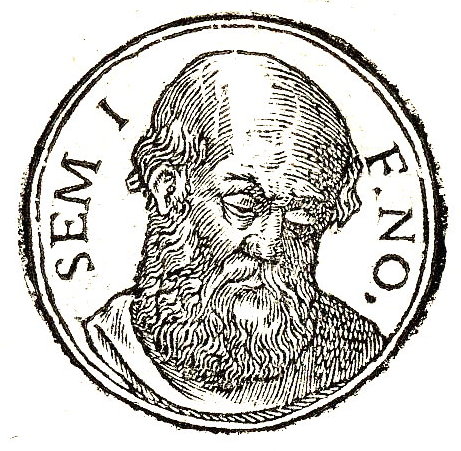

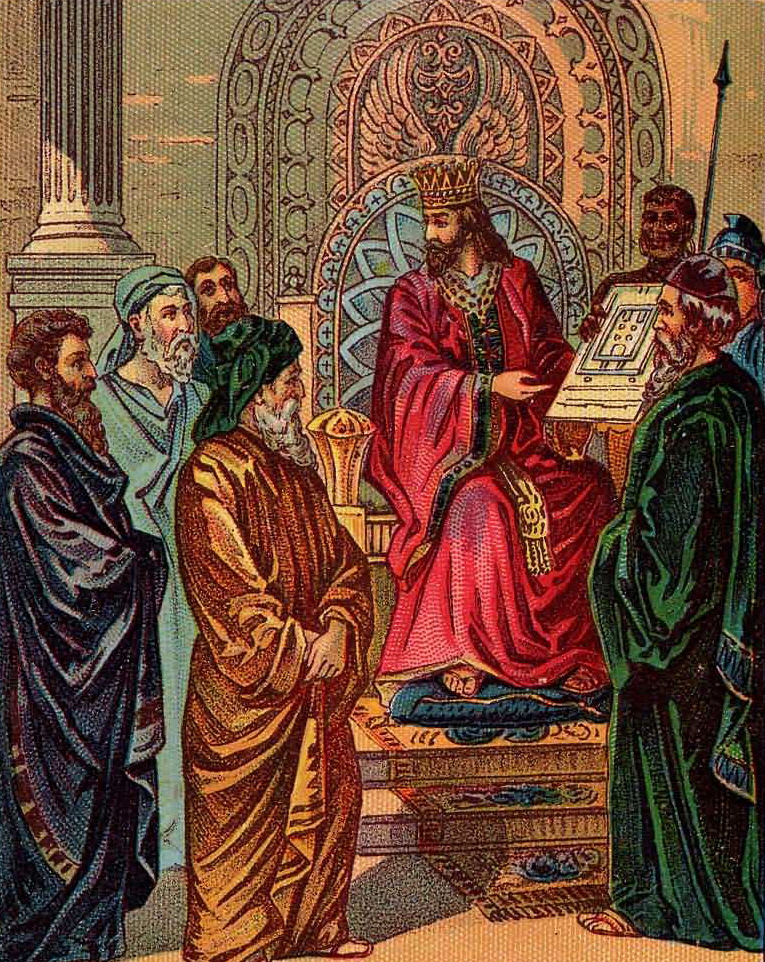
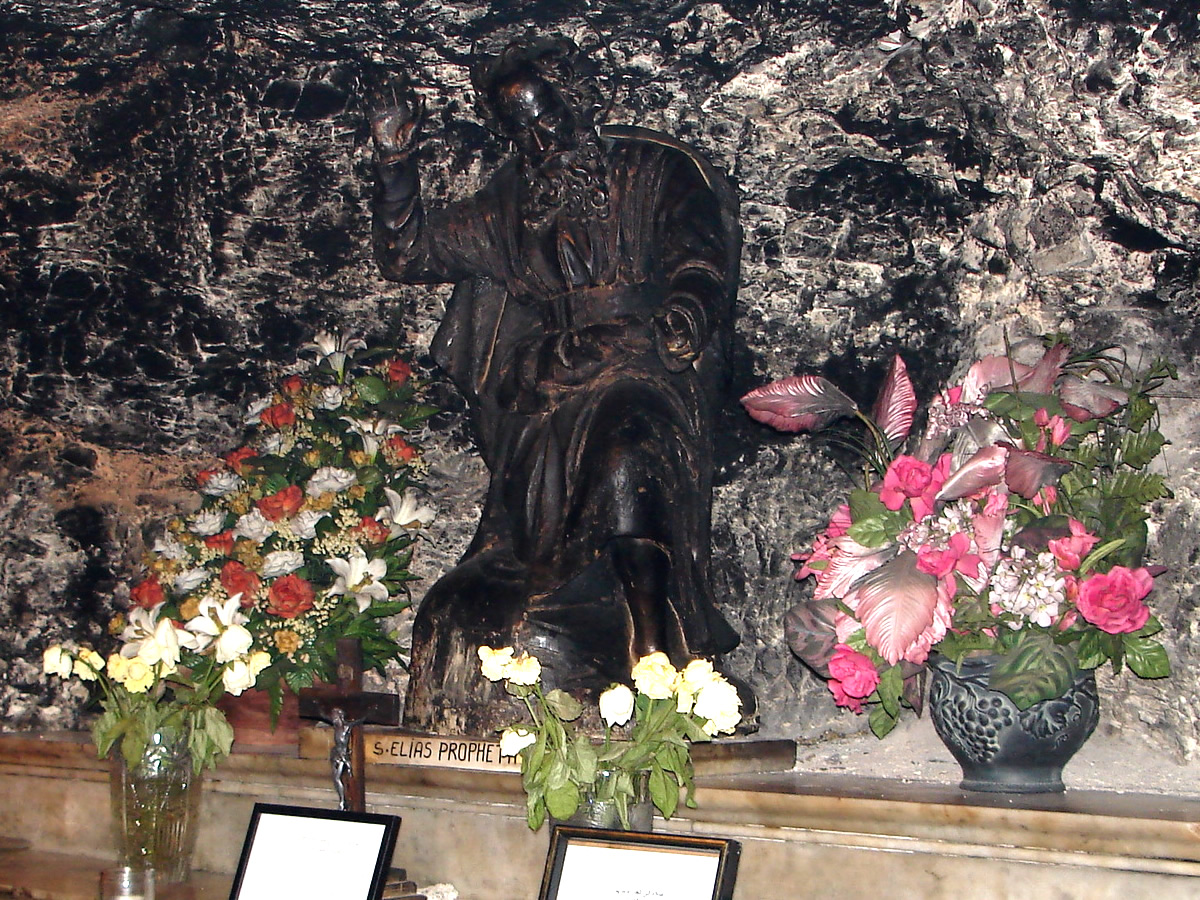
The chronology here is quite jumbled, with Greek events being equated in time with Jewish history, jumping from the time of Joshua, or the Judges, before the Exodus or after the institution of the monarchy. In Chapter 34, he says that "Prometheus and Epimetheus discovered a stone tablet with an inscription which had been written…in the days of the ancients…And Elijah the prophet interpreted the verses." As we had seen from Hesiod, Prometheus and Epimetheus were prior to mortal humanity, while Elijah lived well after the division of the Jewish kingdom in two. In Chapter 36, John says that Orpheus wrote a "Theogony." Heracles is again mentioned as part of the voyage of Jason and the Argonauts in Chapters 40-41. Chapters 45 and 47 discuss Troy a bit, although references to the Trojan War are very incidental.

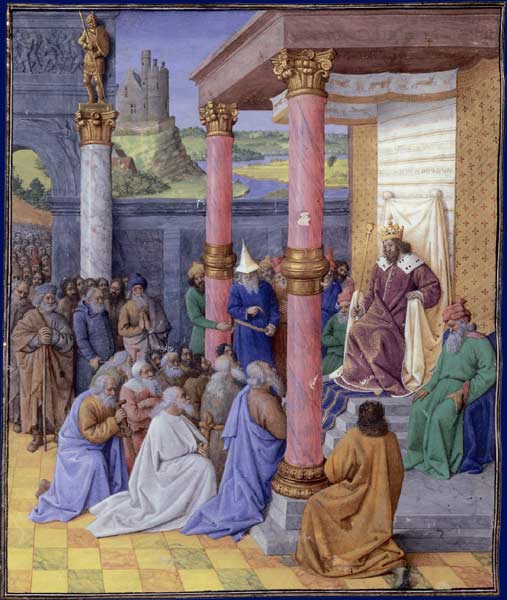
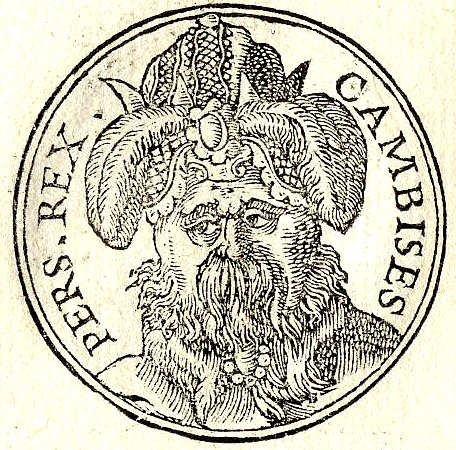
In Chapter 48, John moves directly from Solomon, who built the Temple, to Nebuchadnezzar, who destroyed it. John calls him a king of Persia, rather than Babylonia. After spending two more chapters on his conquests, using especially Apocryphal sources, he turns to Cyrus – who actually was king of Persia – in Chapter 51. John focuses on his relationship with Daniel, and his counsel aiding his victories. Cyrus' son and successor, Cambyses, reversed his father's pro-Jewish policies, and so had troubles in his conquest of Egypt, although he eventually emerged victorious. At the end of this long chapter, I think John has confused himself. He briefly mentions the final few Persian emperors before Alexander the Great, but it reads as if they directly followed Cambyses. This in follows neither the Bible nor Herodotus, and thus he skips over the Persian Wars against Greece completely. He has gotten himself even more out of place such that the Peloponnesian War is completely irrelevant to his purposes.


Looking at the events John chooses to recount, most of which do have plenty of parallels, it is interesting to think about the methodology (if one exists) behind that choice. He uses Greek mythology, fit within a Noahide (with all his emphasis on descent from Noah, however, he never actually wrote about the Flood!) genealogy, to give what really amounts to a geography lesson. He also is very Hellenistic in placing scientific or technological firsts in Greece. He also tends to see the Bible and kingship as the basis of history. Thus he writes about Melchizedek the king, but not Isaac and Jacob the patriarchs. Joseph, because of his relationship to the Egyptian pharaoh, is then an even more curious omission. Because the many Greek leaders in the Trojan War, though kings, function in a way we might recognize as democratic – and defeat the "Eastern" monarchy of Troy – he doesn't pay much attention. When the democratic/oligarchic/timocratic Greeks defeat the Persian Empire, or fight amongst themselves – even though by this point we are at very clear and historically attested material – John doesn't even say anything.
In my next post, I will continue with his take on Rome and Macedonia.
Tuesday, September 14, 2010
Hesiod: The Birth of Greek Mythology
John of Nikiu, as a Christian, attempted to keep Greek mythology by placing the Olympians in history, yet outside of Greece. Hesiod gives us our best understanding of the way the Greeks themselves believed about their g-ds before the advent of Christianity. I have read both M. L. West's translation for Oxford World's Classics and Richard Lattimore's translation for University of Michigan Press; I will be referencing the former unless noted.
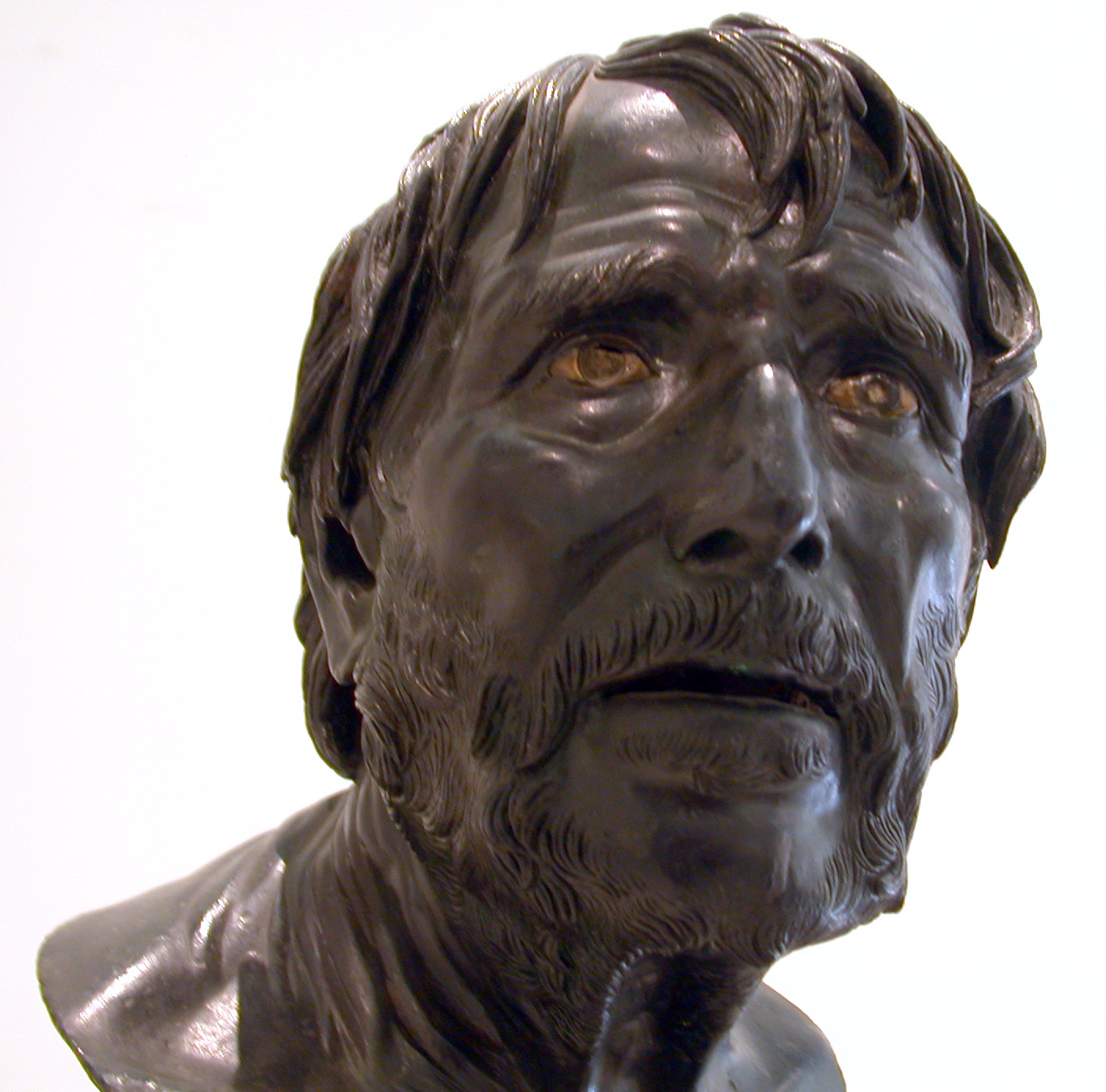
Hesiod lived in the central Greek region of Boeotia (largest city Thebes) around the year 700 BCE. He gives biographical details about himself in his Works and Days, although there is not necessarily anymore belief that he is an individual writer than about Homer. It is most likely that whether the poems attributed to Hesiod were actually written by him or not, he was part of an oral tradition of mythical poetry that had existed for several generations. For our purposes, his Theogony is the poem to start Greek mythology with, meaning the "Birth of the G-ds" and fulfilling that title. It is important to realize that by the end of Hesiod's career, there existed a significant corpus of mythological literature for the Greeks, including the Theogony and a sequel no longer extent called the Catalog of Women, documenting the adventures of the heroes and their mothers who had consorted with the g-ds, as well as the Homeric cycle of Trojan War epic, and numerous smaller poems. Also remember that the Greek tradition, by this time, incorporated some elements of Egyptian and Mesopotamian religion.

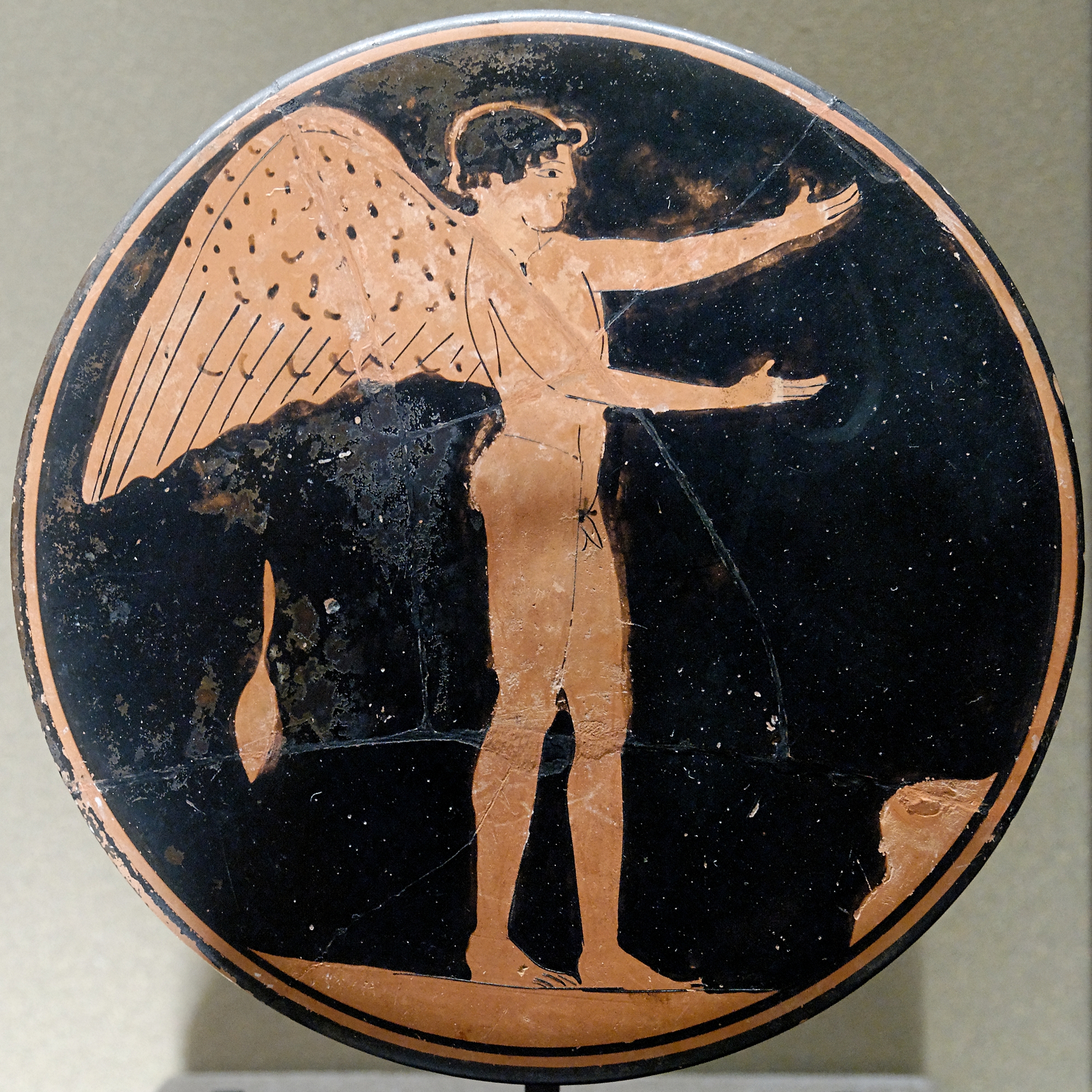
Hesiod's purpose is to give a genealogy of the Greek g-ds. In his introduction, Hesiod claims inspiration from the Muses who can "tell many lies that sound like truth" (line 27) or "sing reality" (28), indicating that he will be telling the true version of these events, while acknowledging that not everyone agrees. For Hesiod, in the beginning was Chasm, or Chaos, or Void. Out of this, springs certain natural and supernatural phenomena: Gaia—the Earth, Tantaros—the Underworld, Eros—Love, Erebos—Darkness, and Night. After the appearance of Eros, sexual reproduction became possible: first Erebos and Night begat Aither—the Air, and Hemera—the Day (in case you don't look at the picture linked for Night, Erebos was the father and Night the mother). Later Night (alone now, Hesiod says), bears Moros—Doom, Ker—End (Lattimore), Death, Sleep, the Dreams, Momos—Cavil, Oizys—Misery, the Hesperides "who mind fair golden apples…and the trees that bear that fruit" (216), the Moiroi—the Fates, Nemesis—Resentment, Deceit, Intimacy, Old Age, and Eris—Strife. Eris, in turn, brought Toil, Neglect, Starvation, Pain, Battles, Combats, Bloodshed, Slaughter, Quarrels, Lies, Pretenses, Arguments, Disorder, Disaster, and Oath.
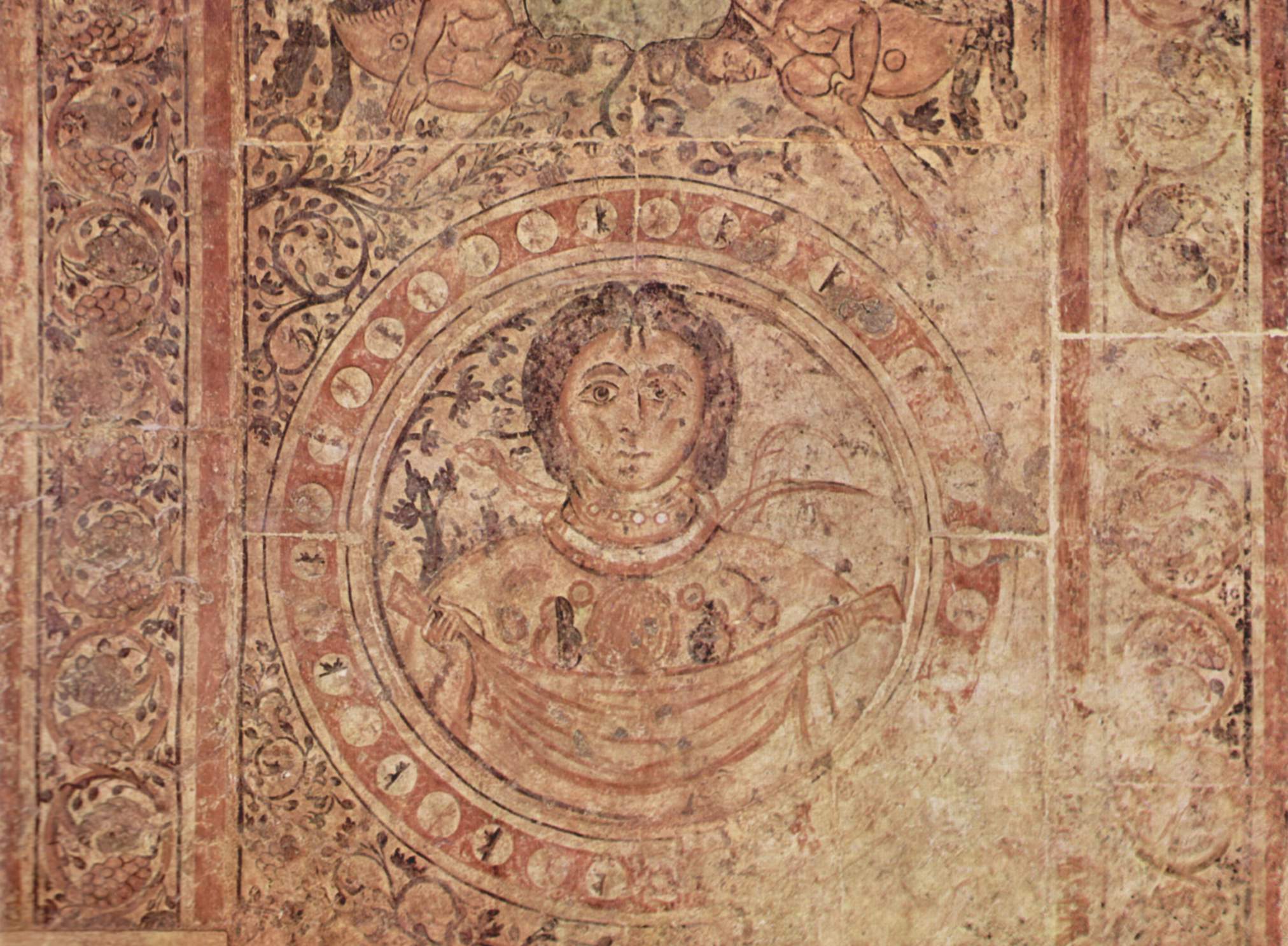
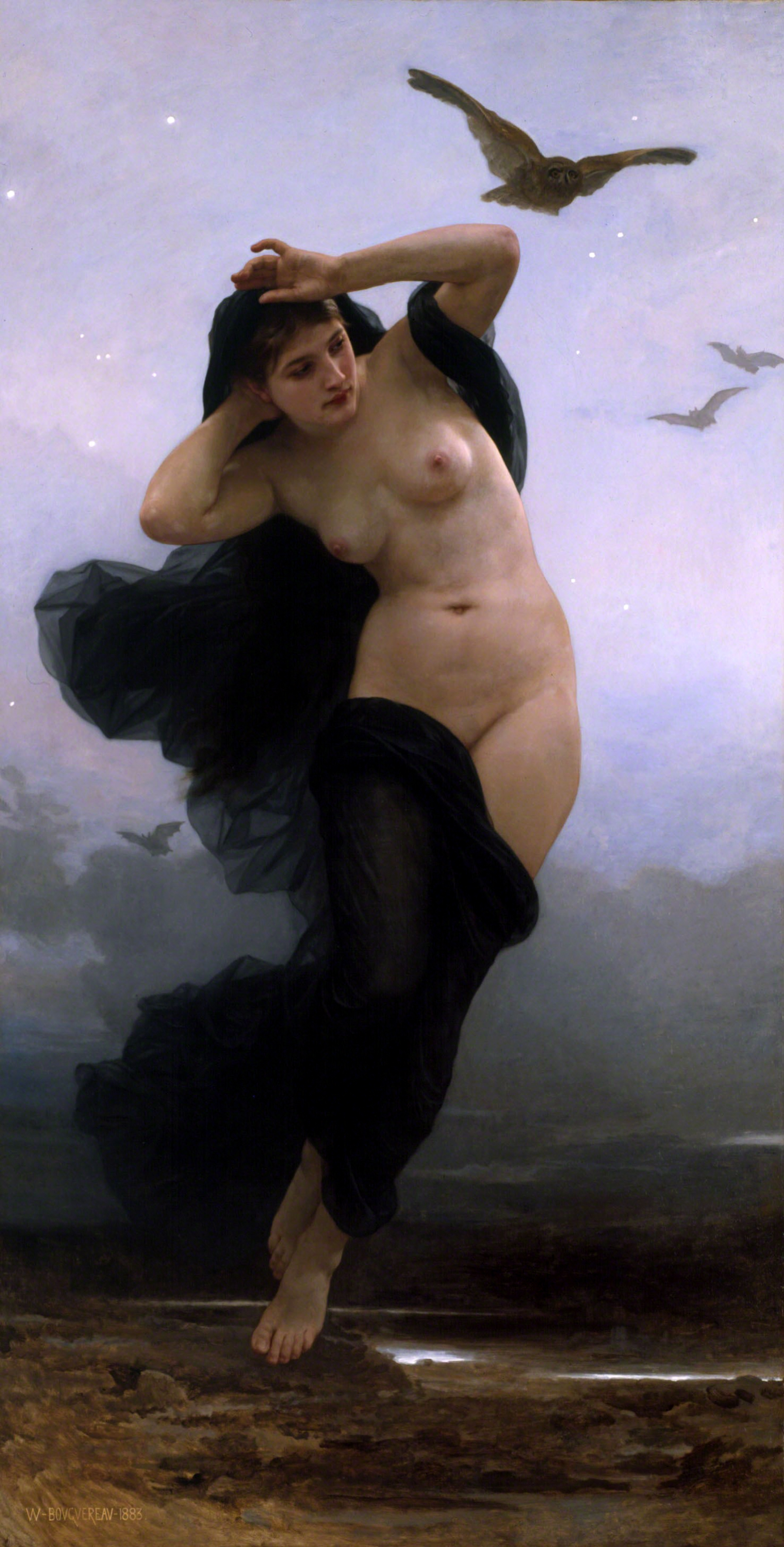
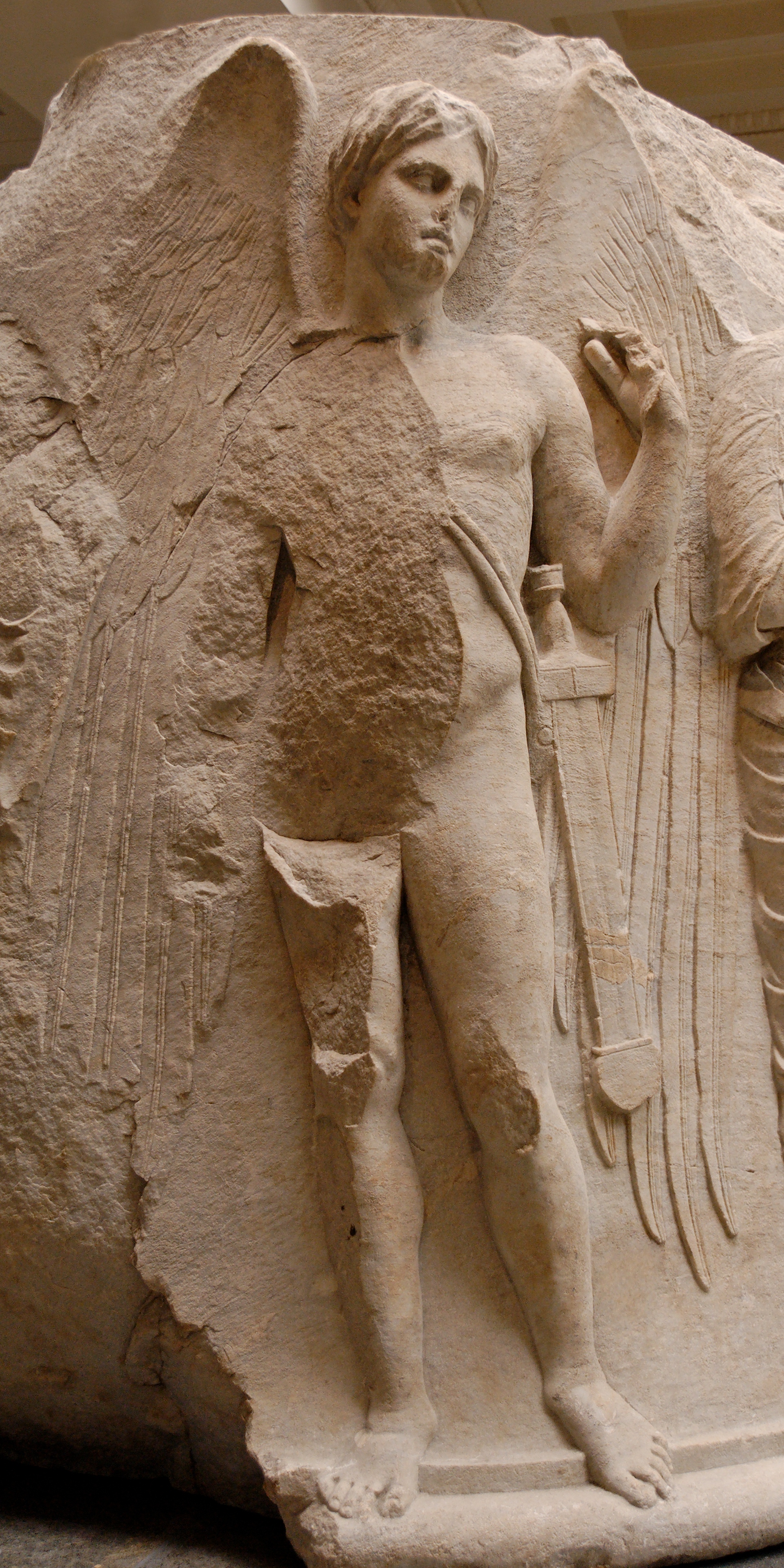
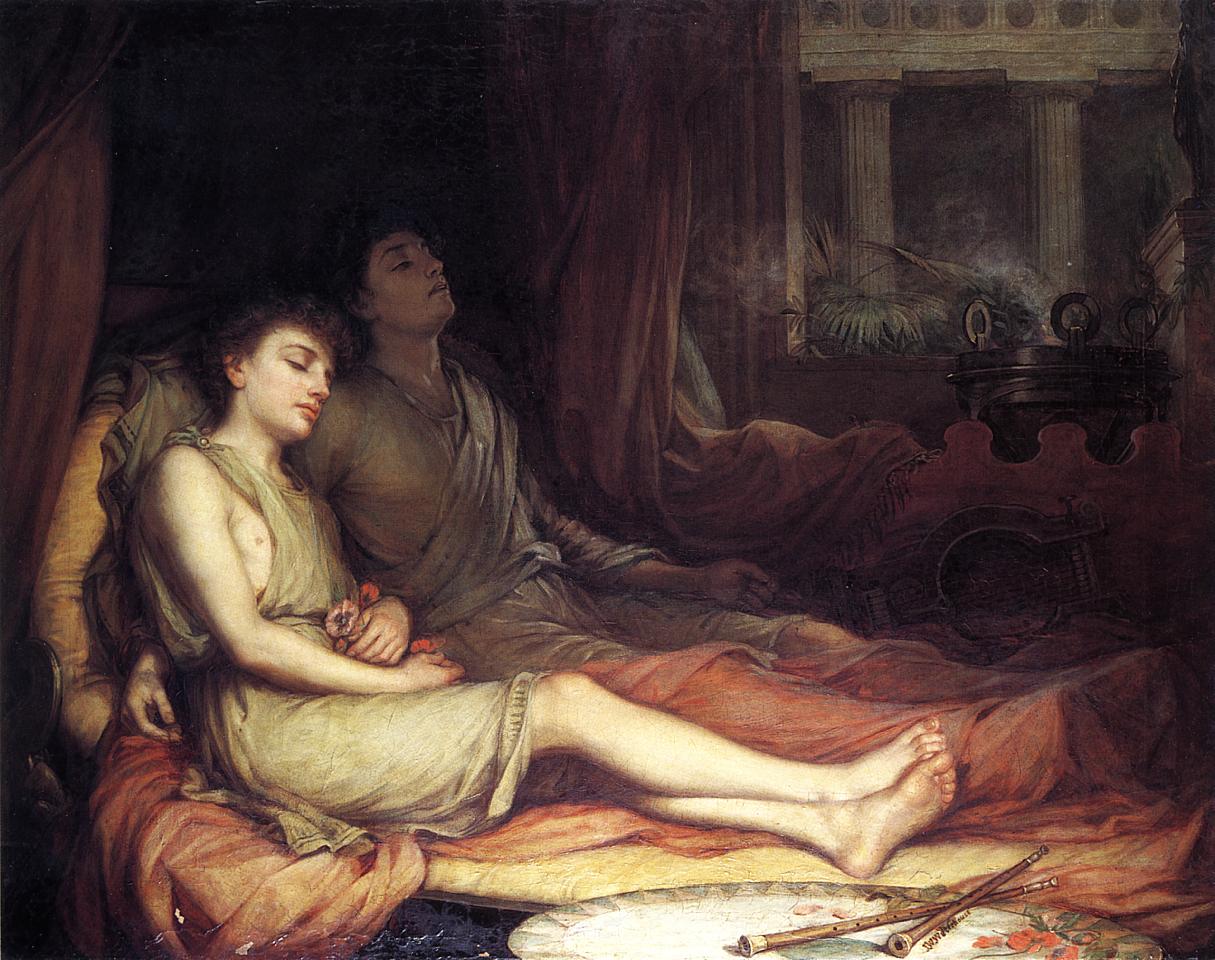

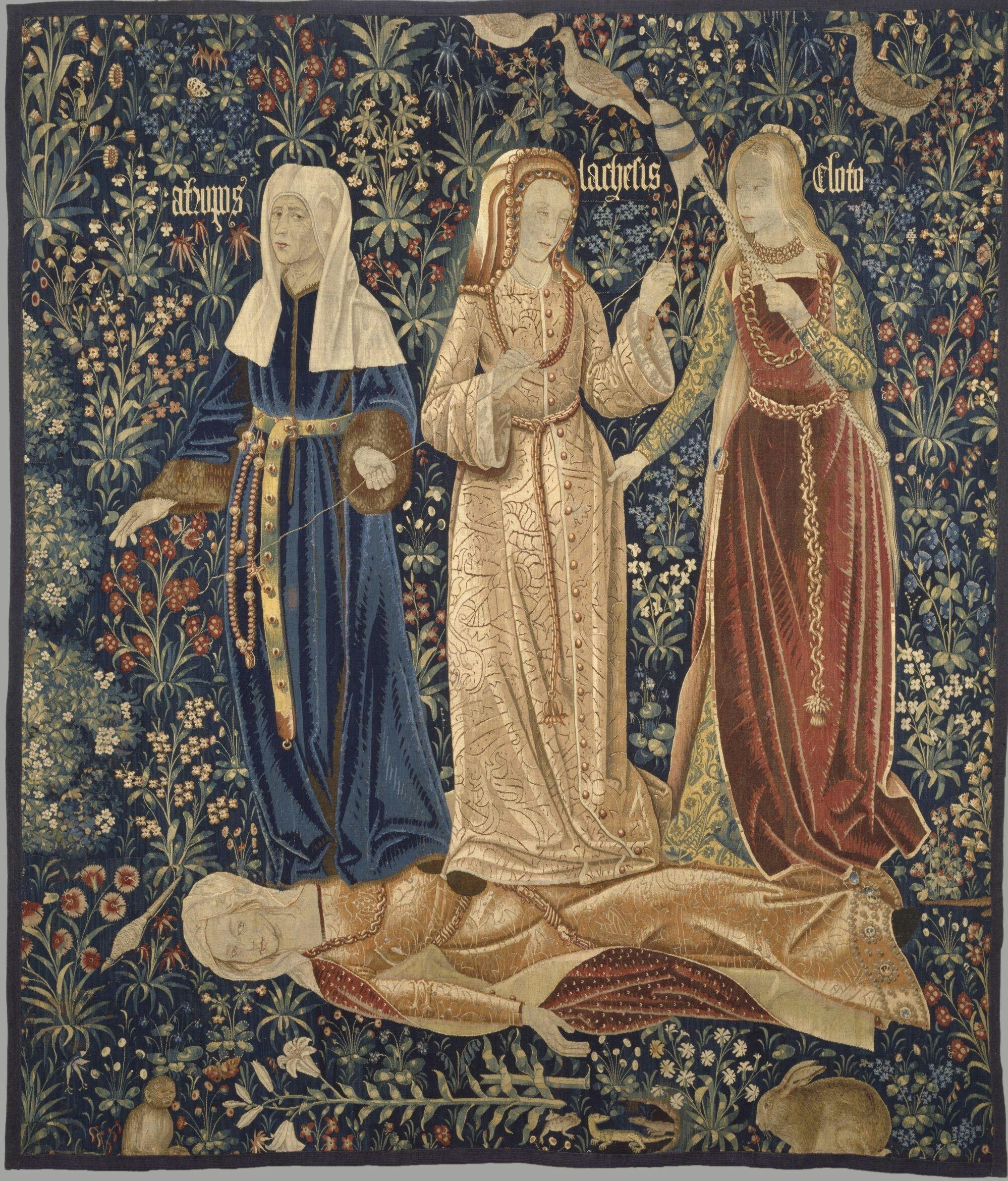


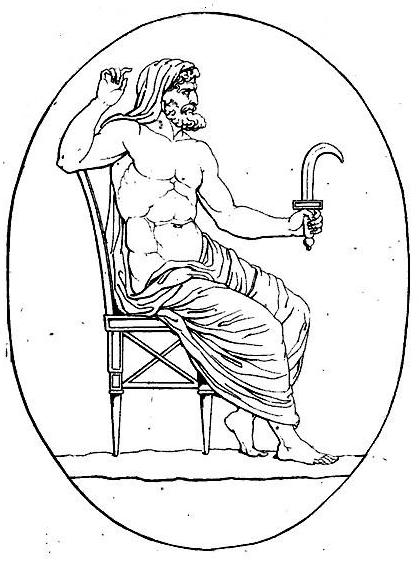
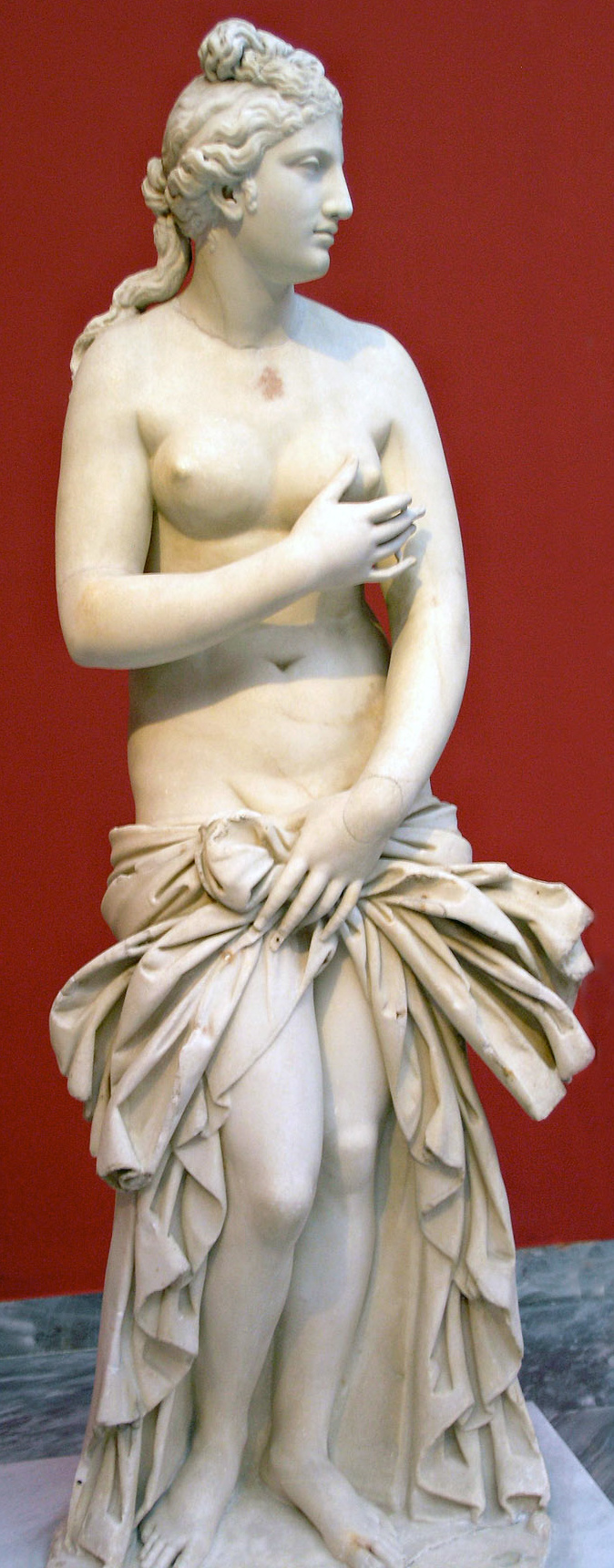
Gaia then gave birth to further natural phenomena: Uranus—the Heaven, Mountains, Mountain Nymphs, and Pontus—the Sea. After this, she mated with Uranus, and they had the twelve Titans and other gigantic monsters. Though Uranus is in the third generation from the beginning, he is still considered, in a sense, the first king of the universe. As such, he is jealous of power and fears his children will overcome him; thus, he suppresses them, displeasing his mother/wife. Cronus, the youngest Titan (or just a giant Semite if you ask John!), volunteered to help his mother punish his father, and "reached out from the ambush with his left hand; with his right he took the huge sickle with its long row of sharp teeth and quickly cut off his father's genitals, and flung them behind him to fly where they might" (173-183). The blood fertilized the Earth (or Gaia, as there is no distinction) to produce the Erinyes—the Furies, more Giants, and the Meliai—the Nymphs of Ash Trees. In addition, "a white foam grew from the immortal flesh, and in it a girl formed…And out stepped a modest and beautiful g[-]ddess…call[ed]…Aphrodite, because she was formed in foam" (191-196). Unlike in some versions of myth where Eros is a son of Aphrodite, Hesiod has him and Himeros—Desire—attending her.

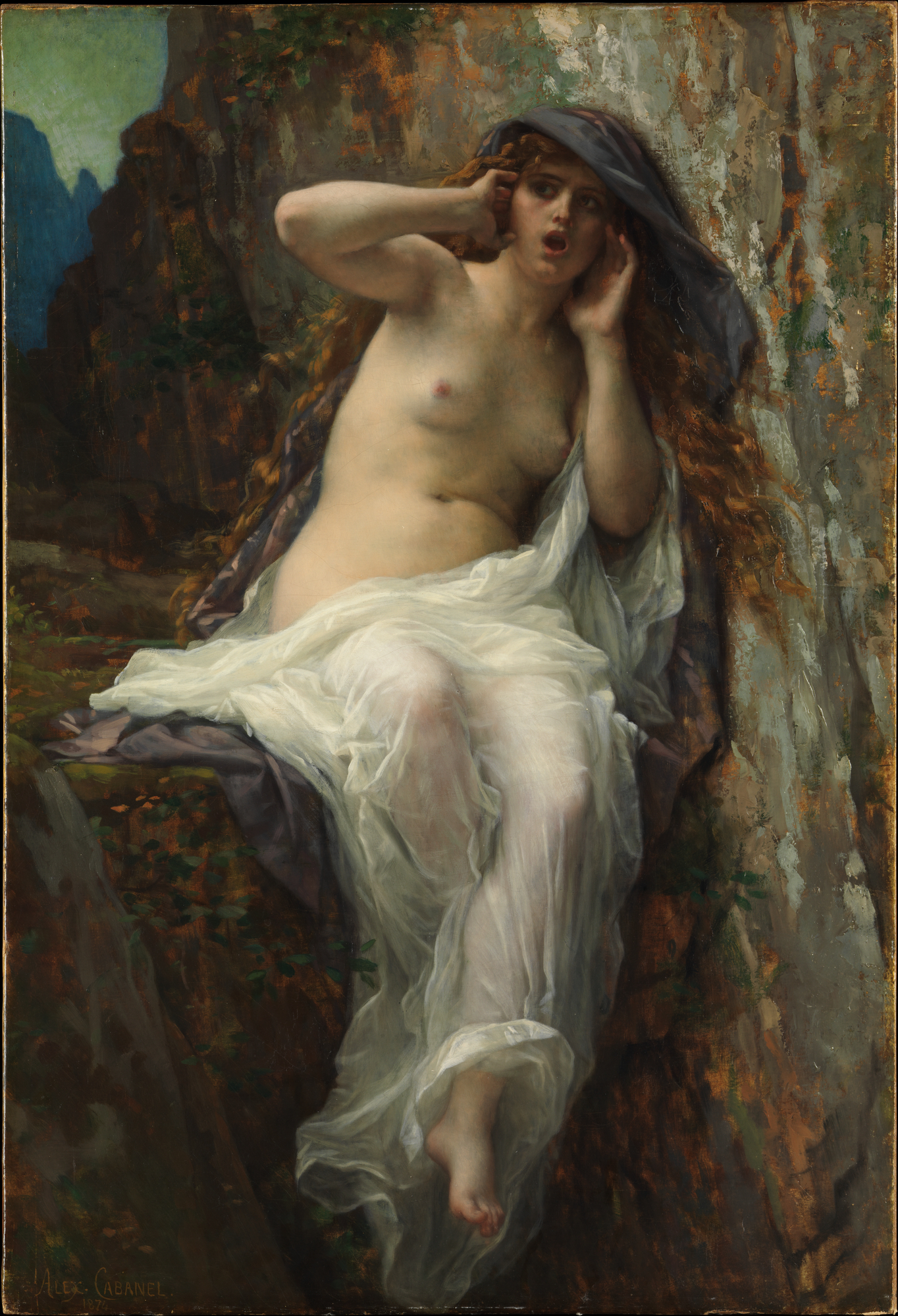



Pontus had Nereus, one of the "old m[e]n" (234) of the sea. With Gaia, Pontus fathered more children. Further generations from these children include Iris—the Rainbow, Harpies, Gorgons, Pegasus, sea monsters, not-sea monsters, including the Sphinx and many who were defeated by Heracles. Two Titans, Oceanus and Tethys, were also aquatic: they had the Rivers and Ocean Nymphs (Oceanids). One such Ocean Nymph, Doris, married Nereus and they had fifty daughters, the Sea Nymphs (Nereids).

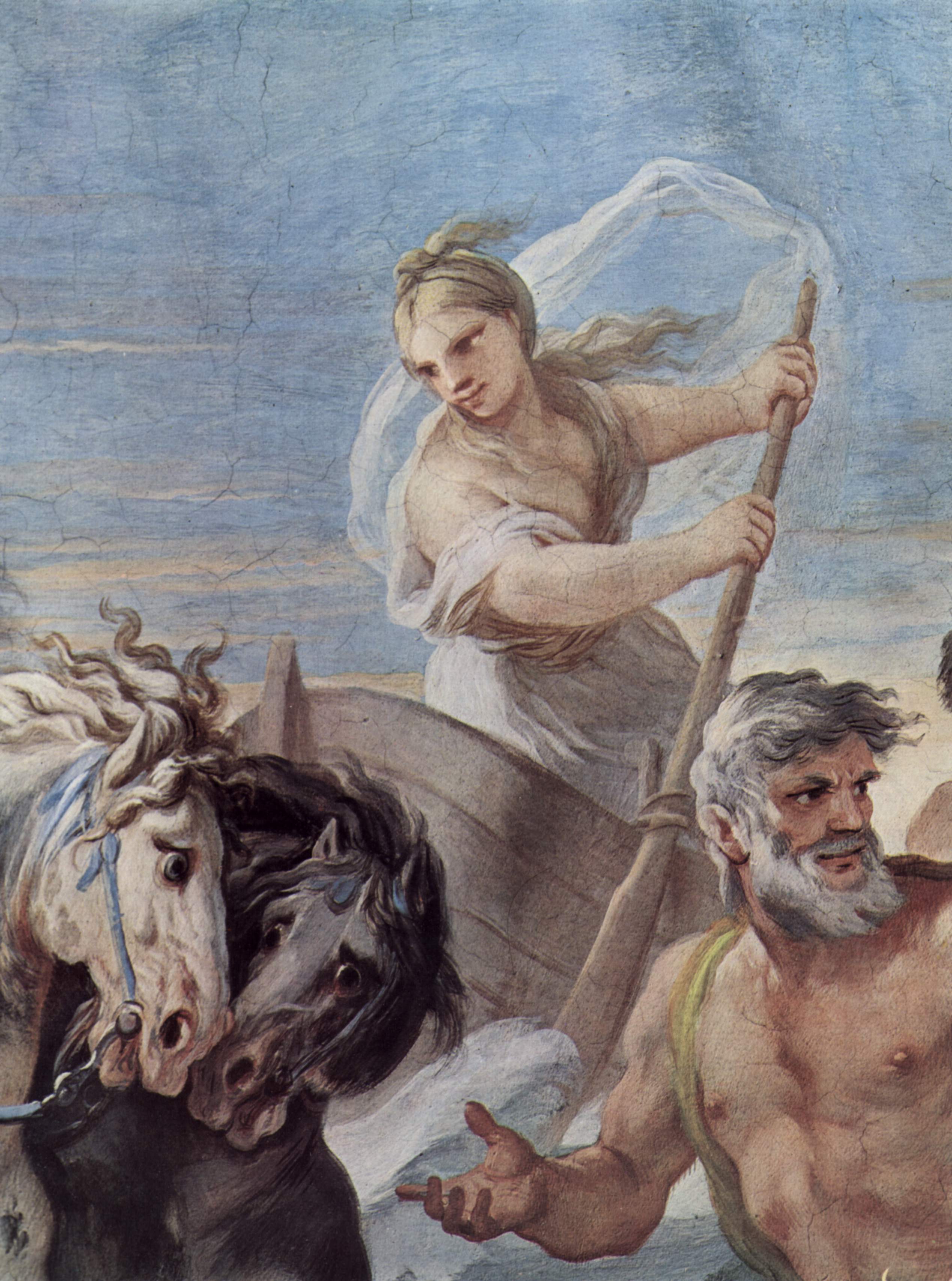
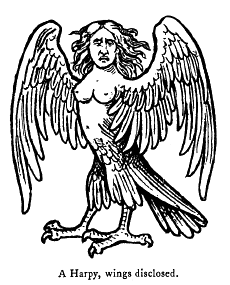


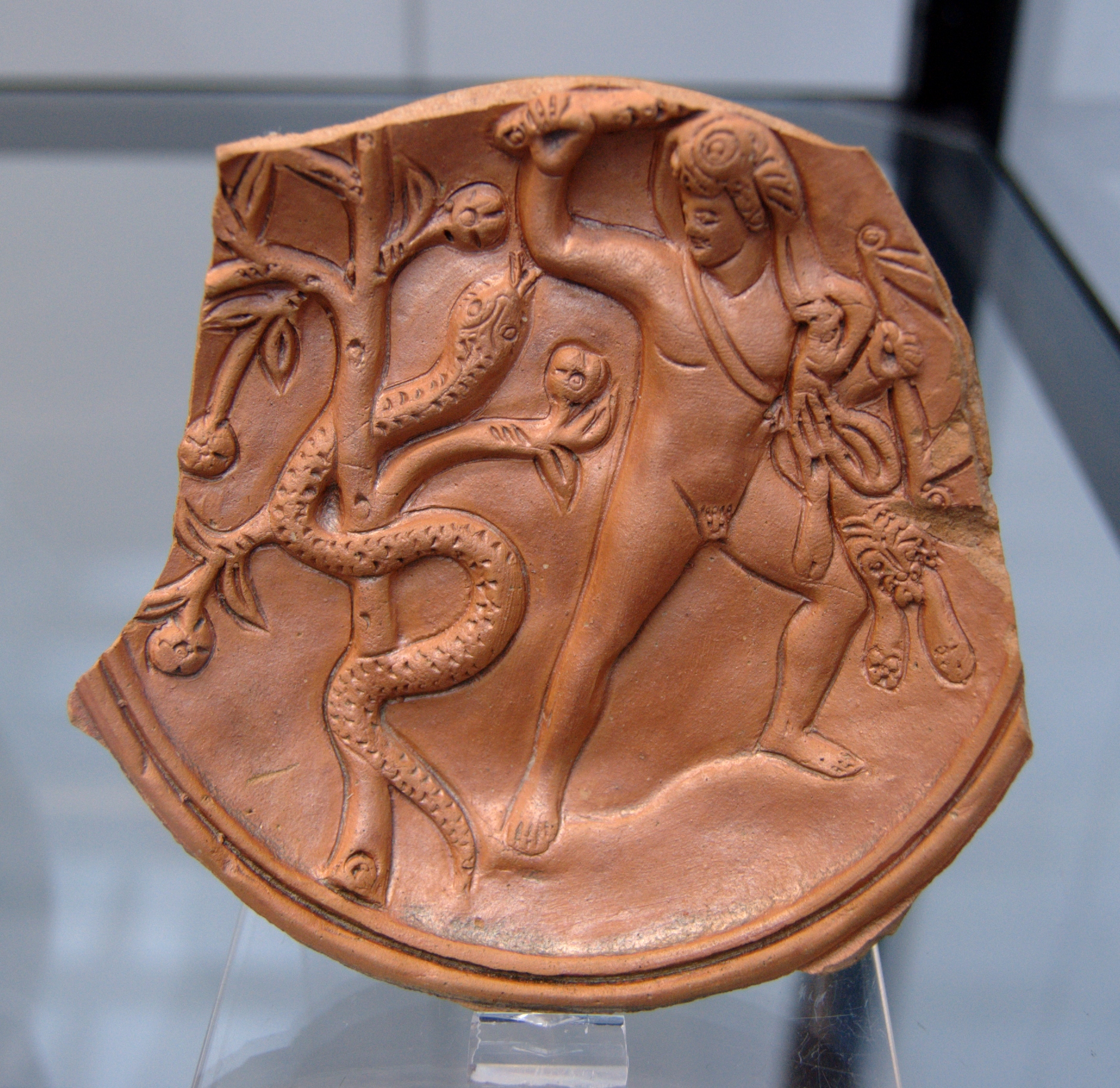


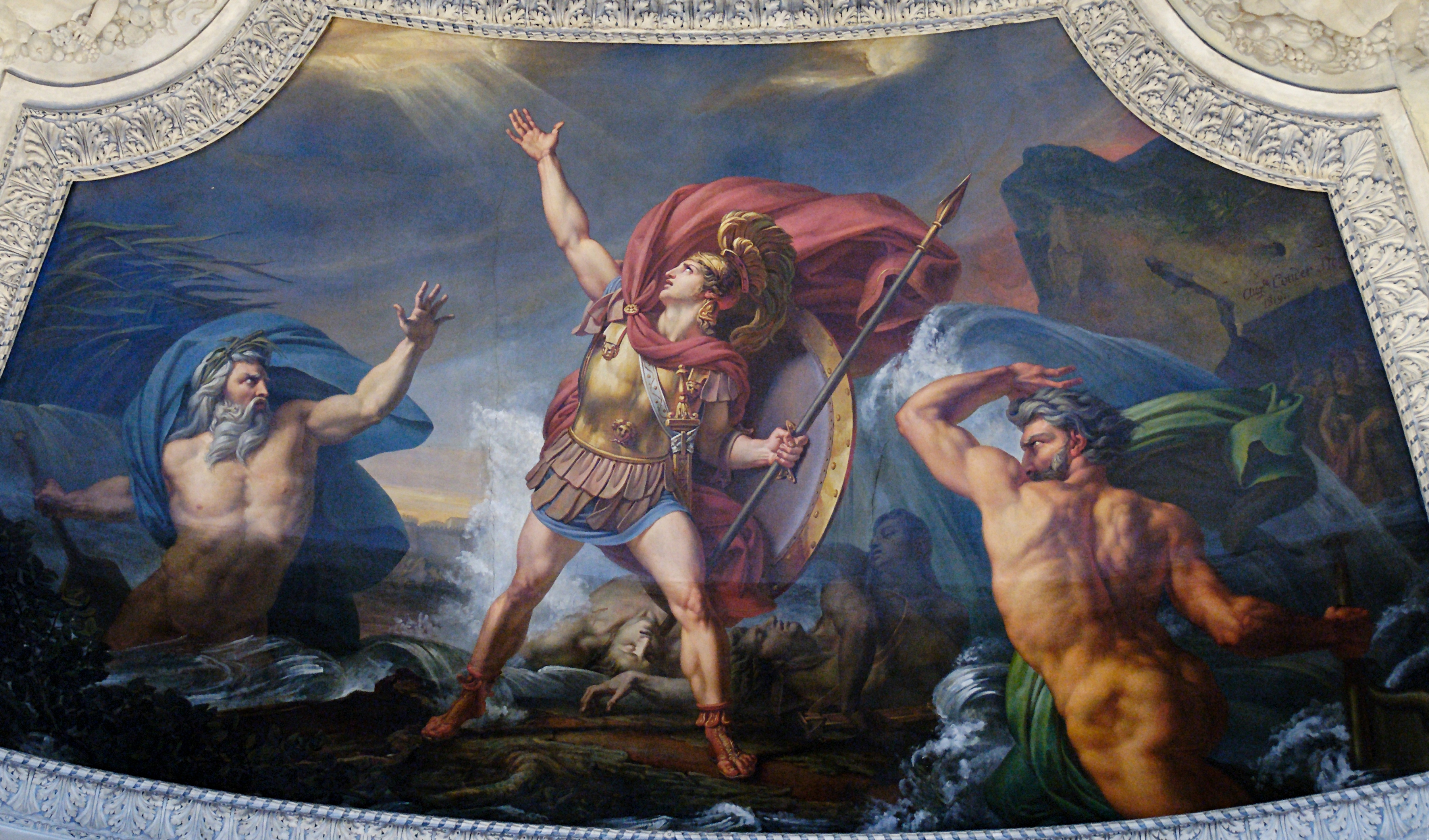
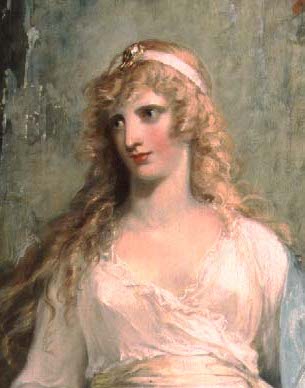
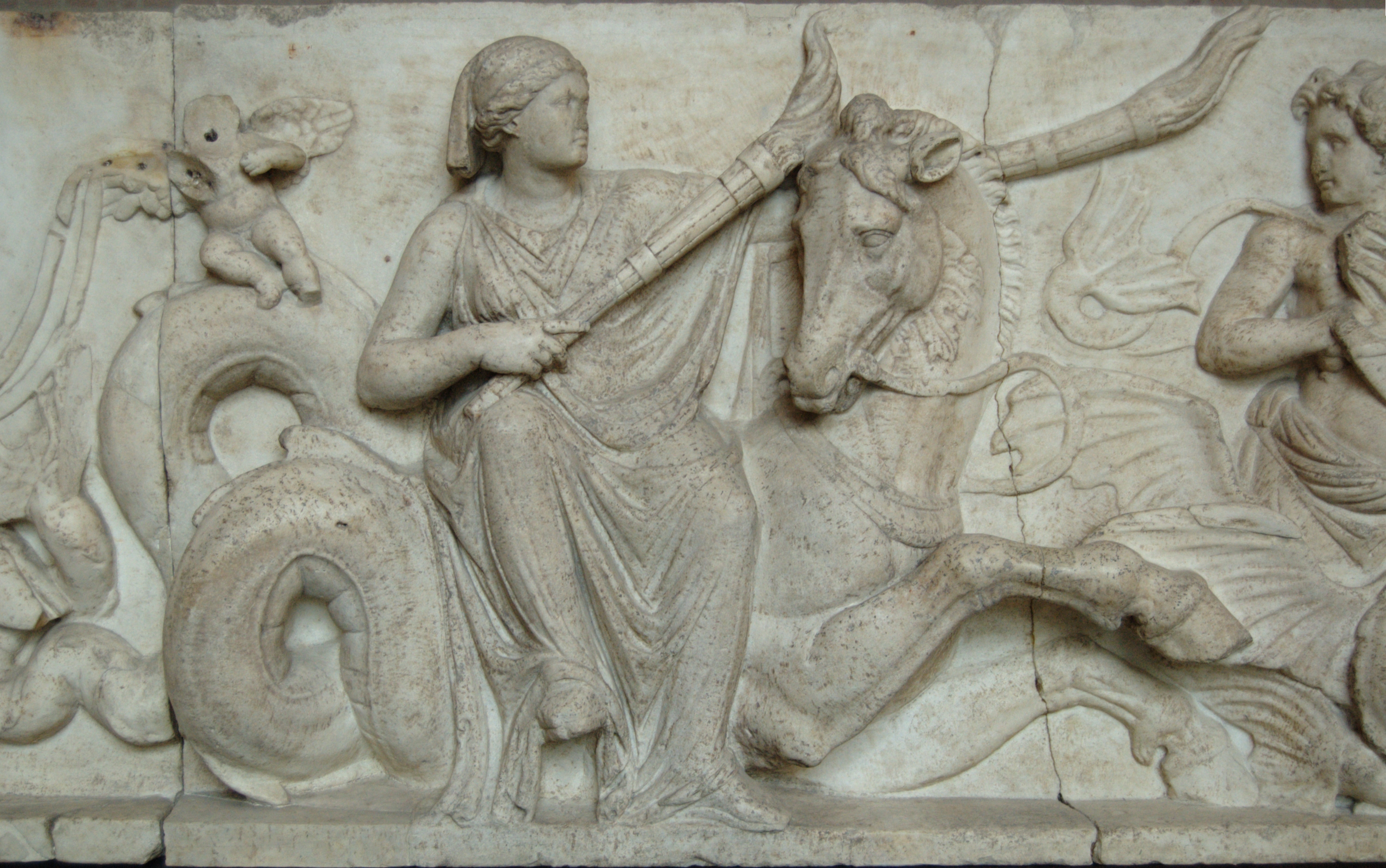

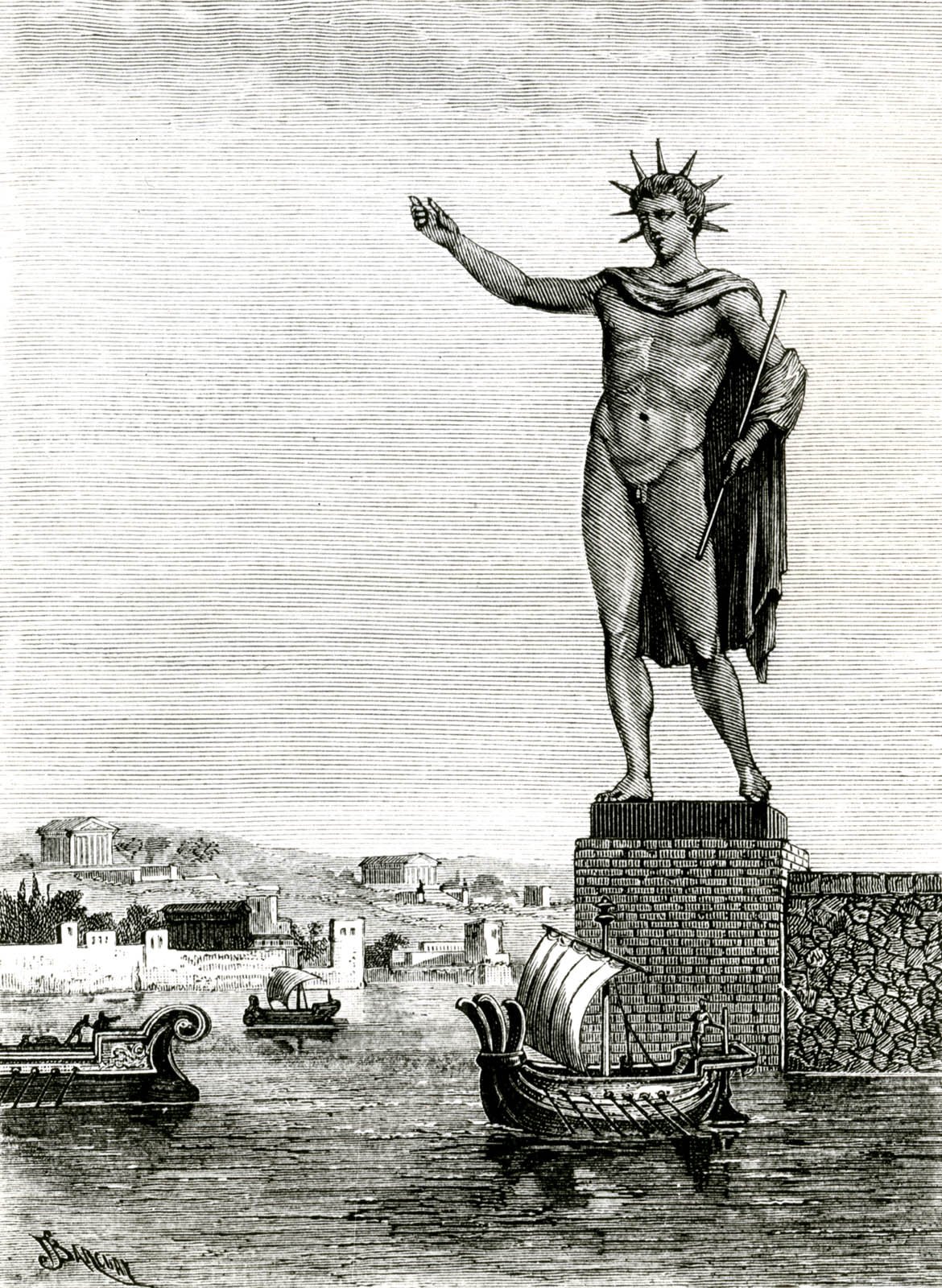
Two other Titans, Hyperion and Thea, begat Helios—the Sun, Selene—the Moon, and Eos—the Dawn. Eos bore the Winds and Stars to Astraeus, a son of the Titan Kreios. Koios and Phoebe, another two Titans, married and had Leto. The Titan Iapetos and Ocean Nymph Clymene had four sons, including Atlas, Prometheus, and Epimetheus, who later wed Pandora the first mortal woman.


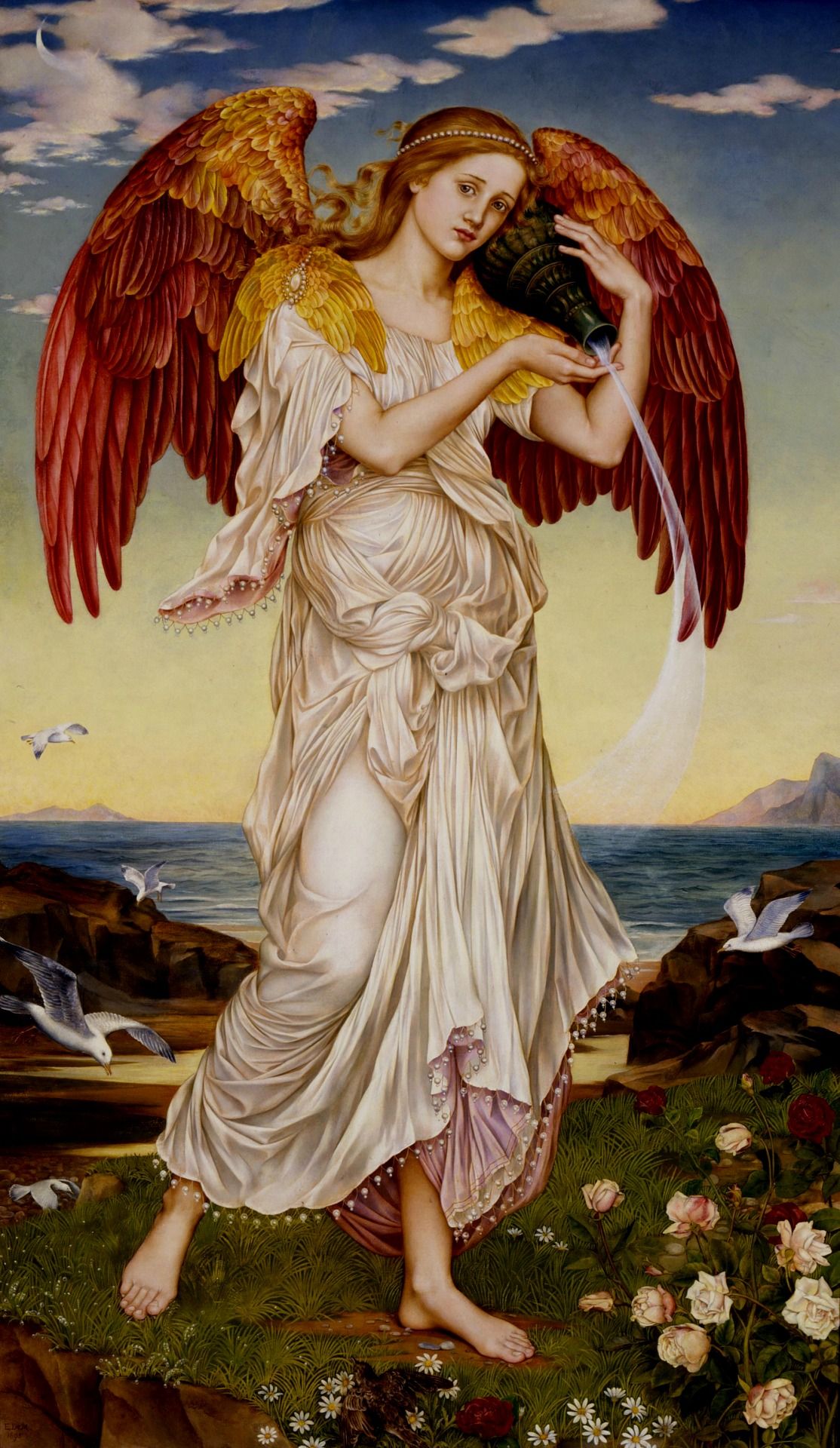

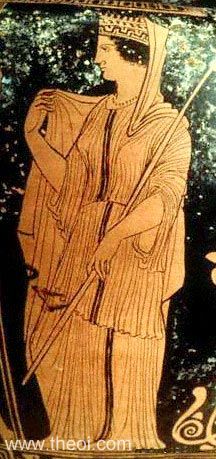

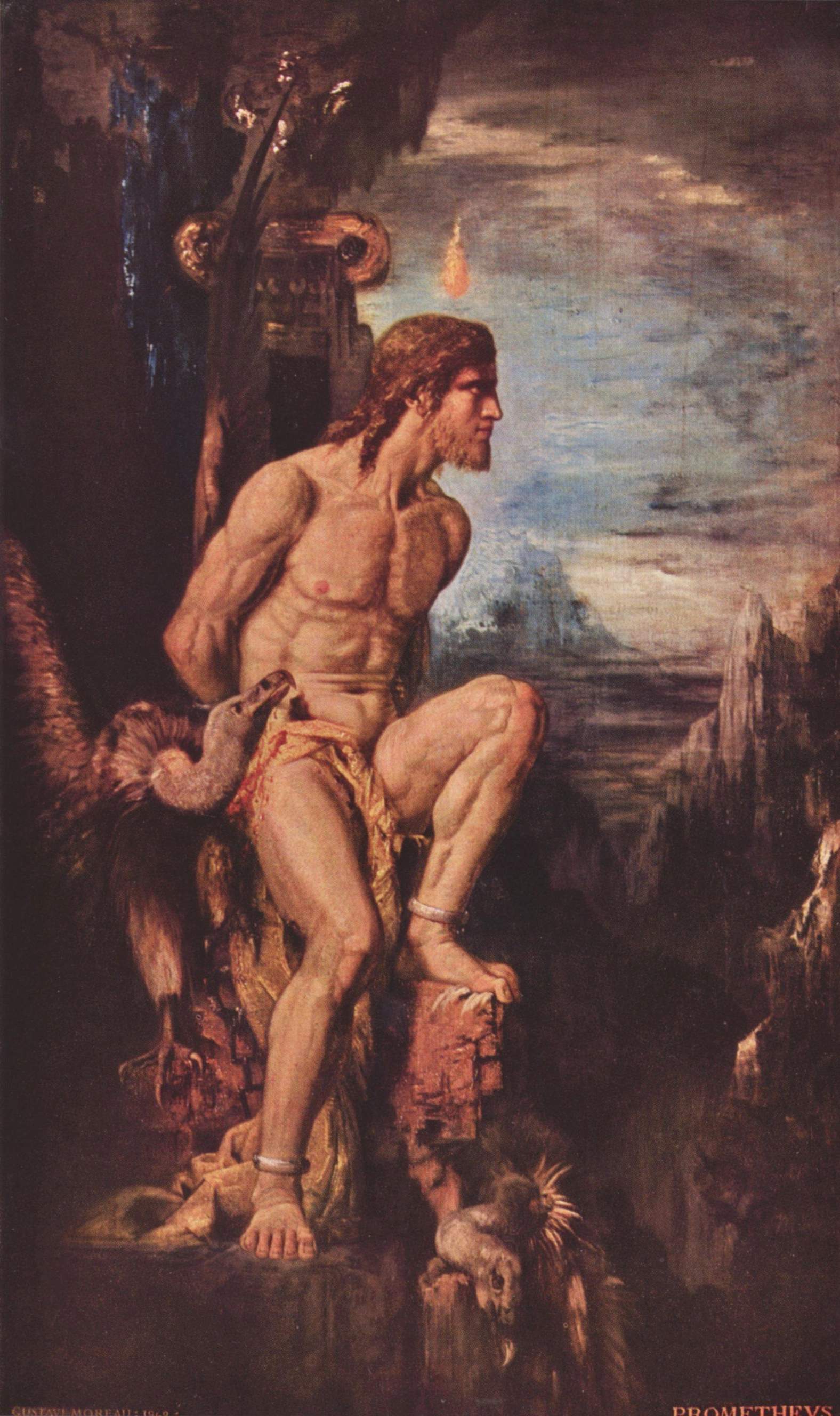

Cronus, the leading Titan and second overall ruler, married his sister Rhea, and inherited the behavior of his father, as his parents warned him that "it was fated for him to be defeated by his own child" (464-465); Uranus, apparently, bore no grudge. He swallowed his eldest five children as they were born: Hestia, Demeter, Hera, Hades, and Poseidon. Rhea, feeling as her mother did, received help from their parents in tricking Cronus into swallowing a stone instead of Zeus when her youngest was born. Thus, Zeus was raised clandestinely in Crete, until he was of age to, with aid from Gaia, induce the vomiting up of his siblings, with the stone put at the site that will be the Delphic oracle. Zeus released the monstrous brothers of the Titans, who proved decisive themselves and with their gift of lightning in the long battle Zeus and his partisans fought for supremacy against the Titans. In time, the Titans – or some of them, anyway – were locked in Tartarus.
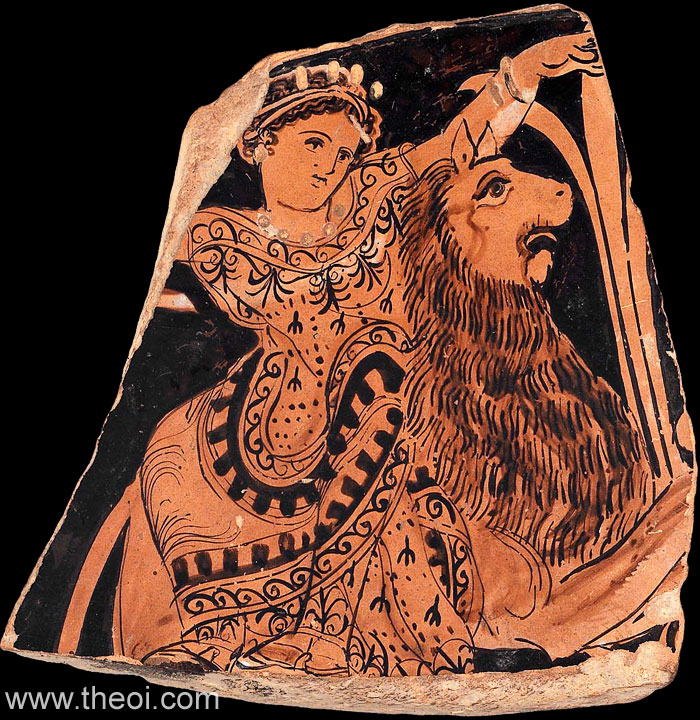
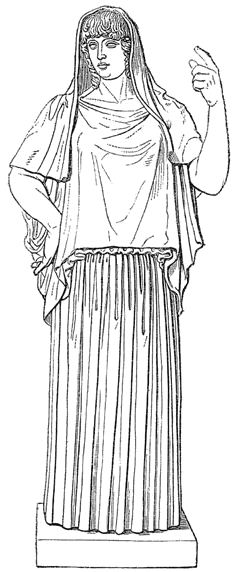

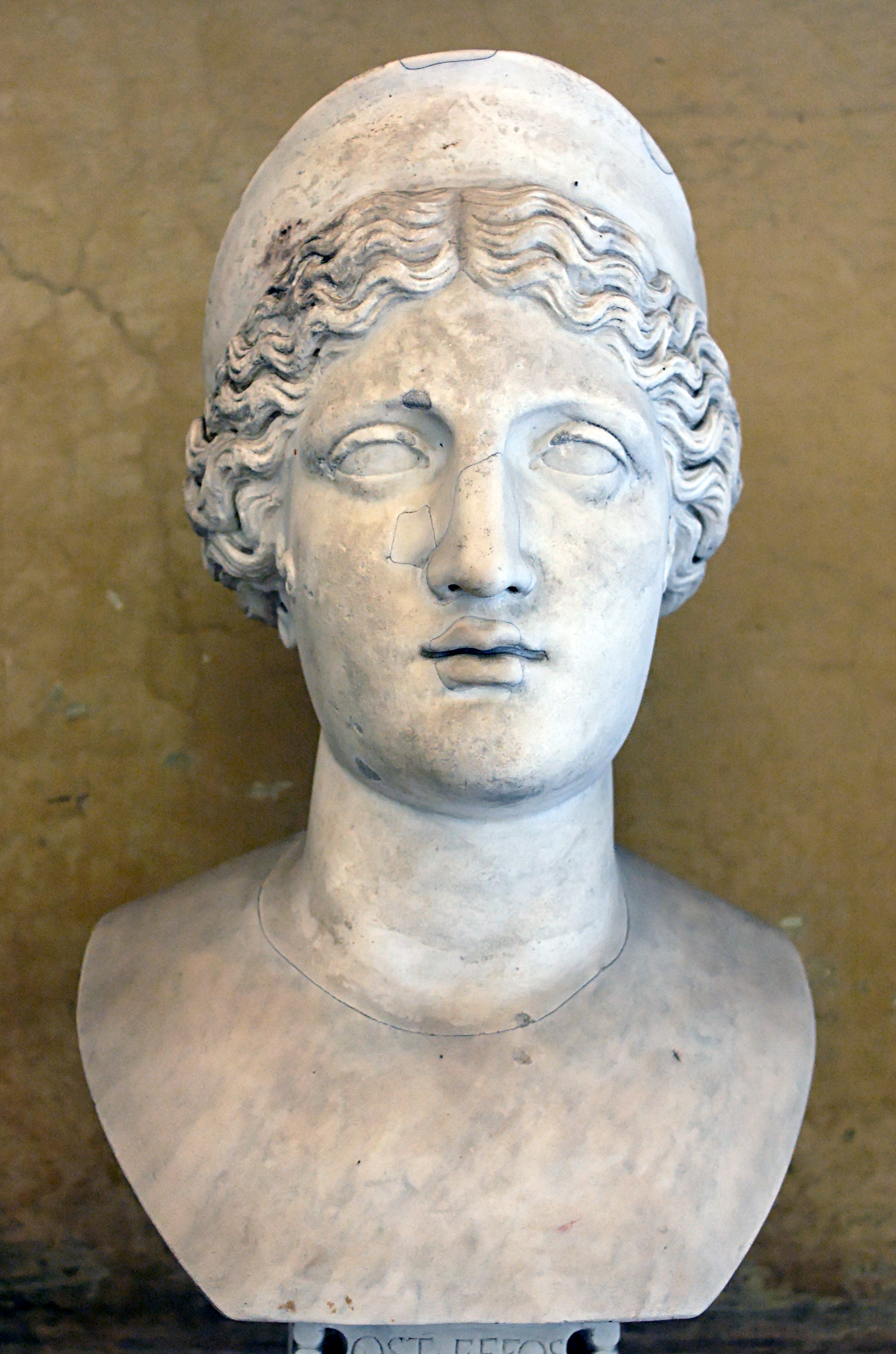


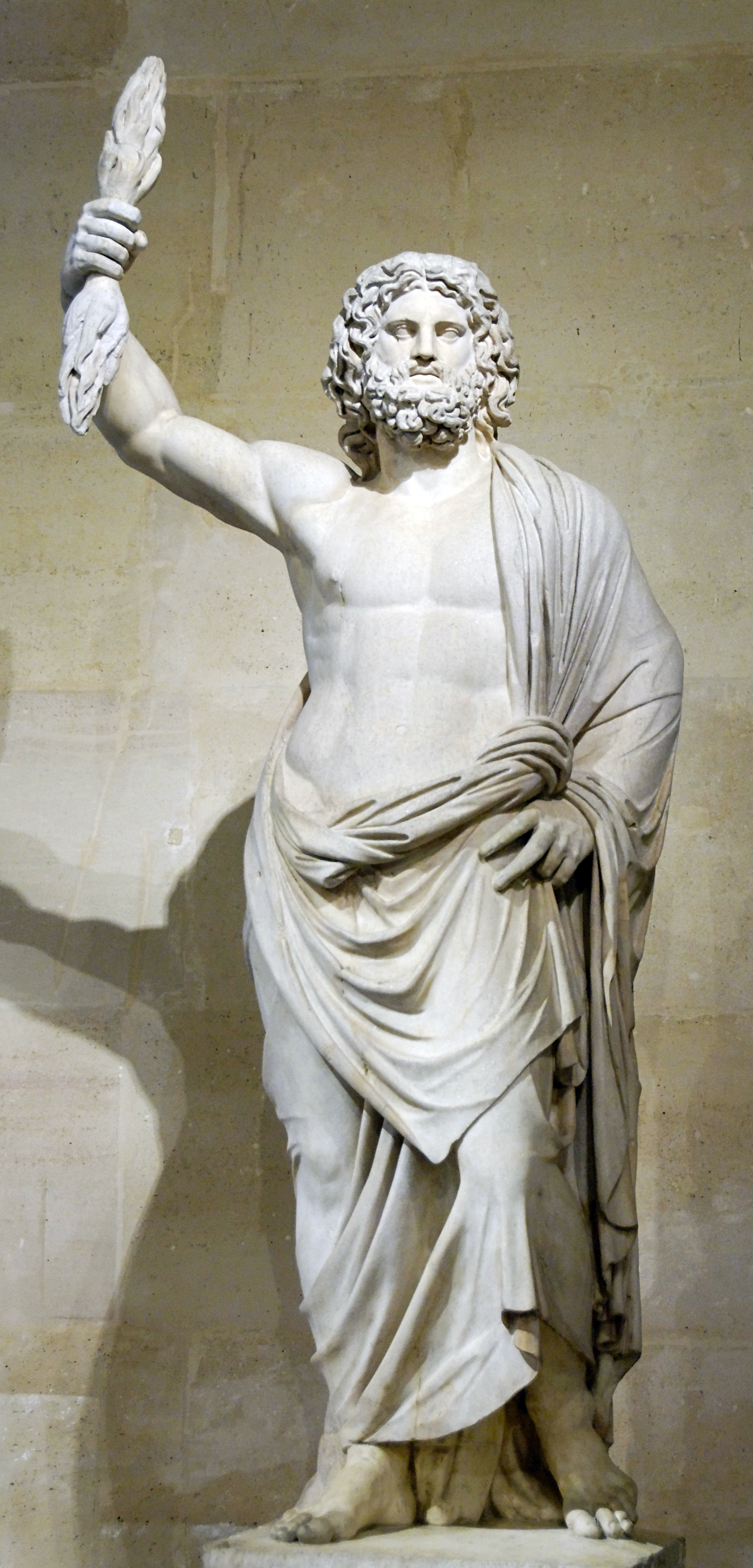

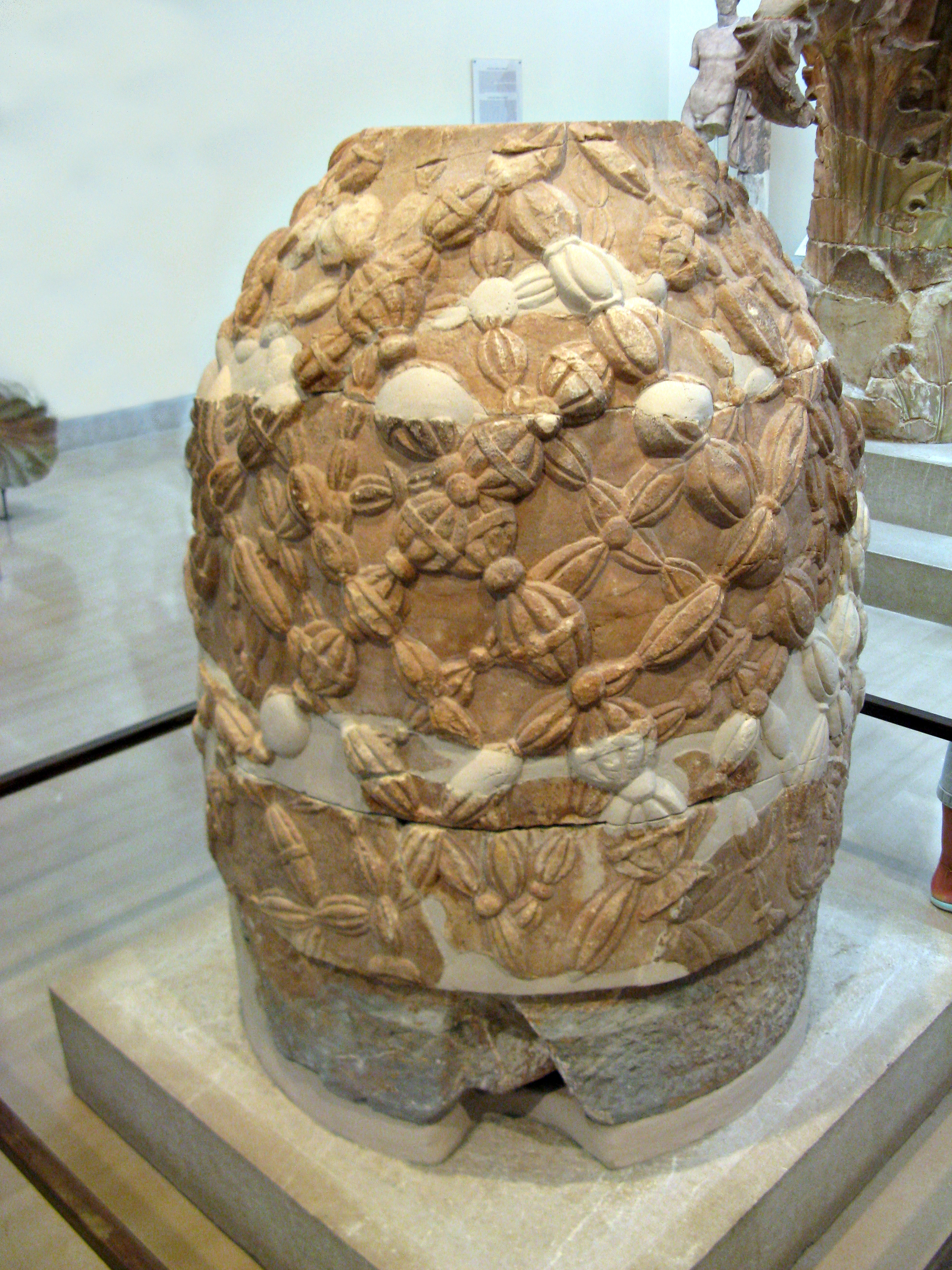
Zeus, thus, became the third king of the g-ds. He retained dominion over the celestial, or heavenly, realm, while allotting water to his brother Poseidon, and the underworld to his brother Hades. Theoretically, the earth was held in common, but Zeus had superiority, Poseidon's powers include "earth shaking" (e.g. 456), and earthly matters were considered chthonic like Hades' subearthly realm was.
Zeus was not yet destined to be the last king. He took as his first wife Metis, an Ocean Nymph; Gaia and Uranus gave warning to Zeus as they had his father that his second child with Metis would be a son who would overthrow him, but this time they also give him the appropriate means to forestall this destiny. Hence, Zeus swallowed a pregnant Metis – who becomes his conscience, more or less – and Athena is "born" from Zeus' head. Next he married Themis, a Titan, and they have the Horai – the Seasons, Lawfulness, Justice, and Peace, as well as a reference to the Fates (who were already born of Night). Eurynome, a sister of Metis, became his third wife, and together they had the three Graces. Then Zeus mated with his own sister, Demeter, to have Persephone, who was later stolen by Hades to become Queen of the Underworld. His fifth wife was Mnemosyne – Memory – another Titan, who gave birth to the nine Muses. Leto was his next wife, who bore the twins Artemis and Apollo. Zeus' final wife, according to Hesiod, was Hera, and their children were Hebe, Ares, and Eileithyia. Although, chronologically, it appears that Hera was not yet with Zeus when he had Athena, Hesiod considers Hera's parthenogenic – well, not quite if she was already married with children – birth of Hephaestus an act of revenge. Poseidon married the Nereid Amphitrite, and their son was Triton. The poems ends with affairs of Zeus and other g-ds with immortal and mortal women, and the children produced thereof. Presumably, this leads directly into the Catalog of Women, giving the adventure of such children as Heracles.
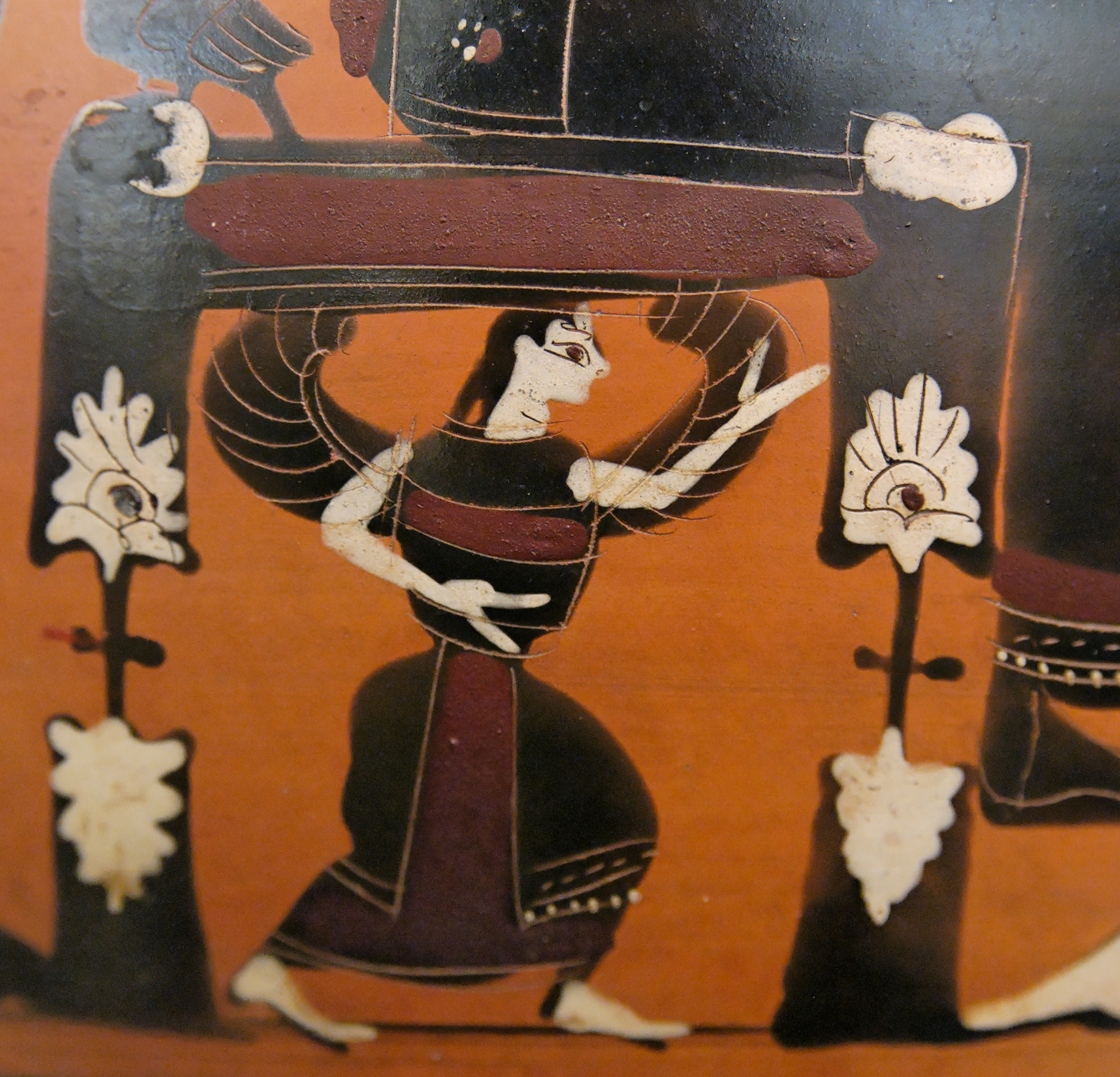


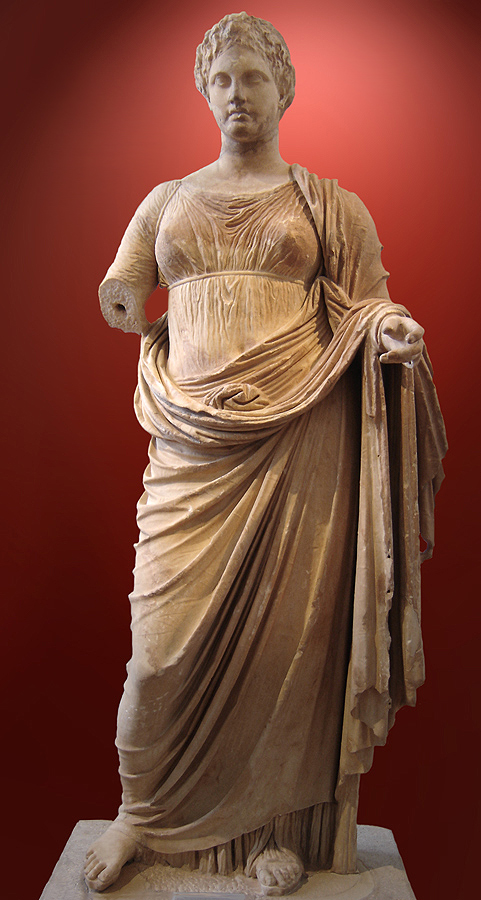
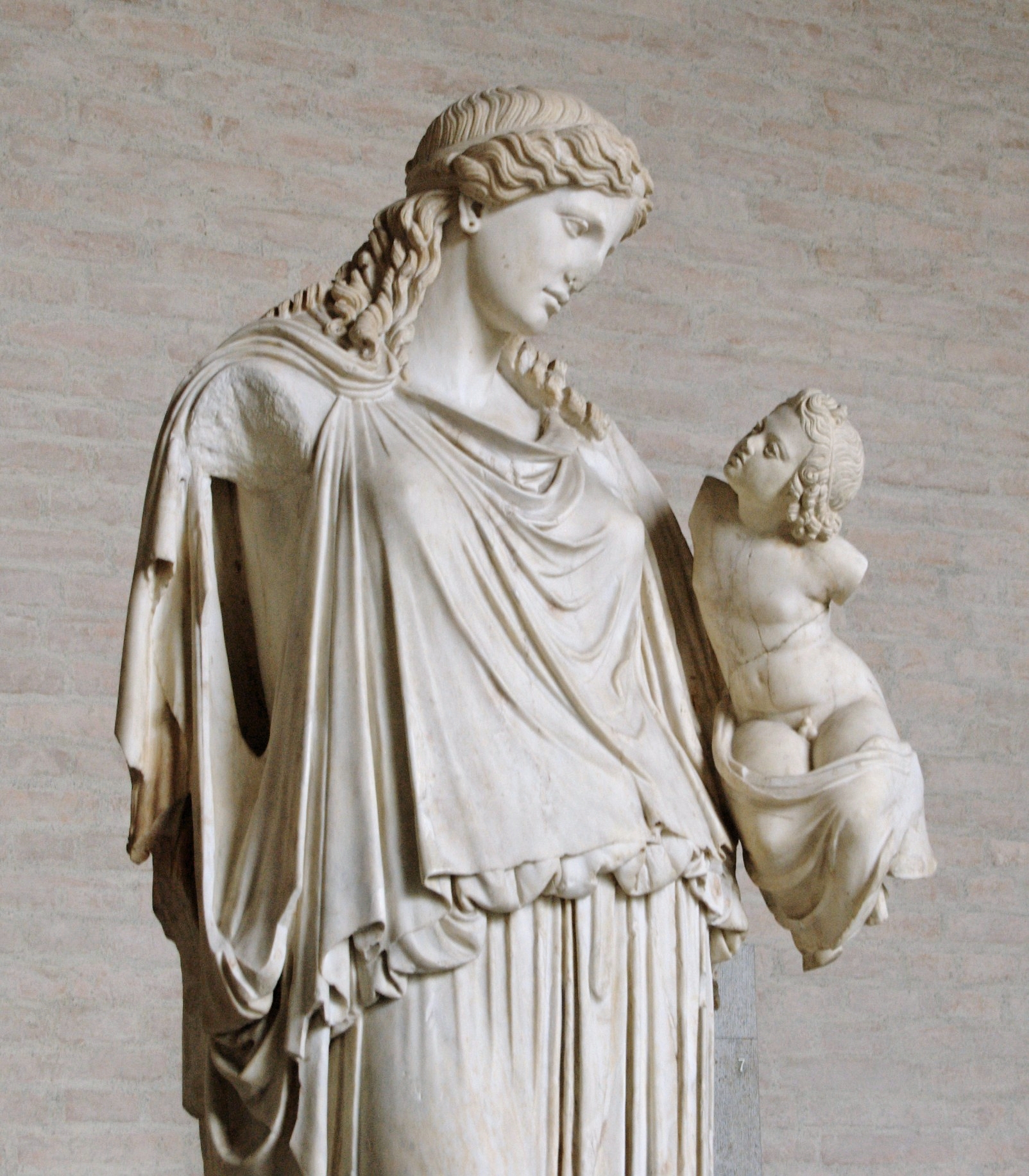
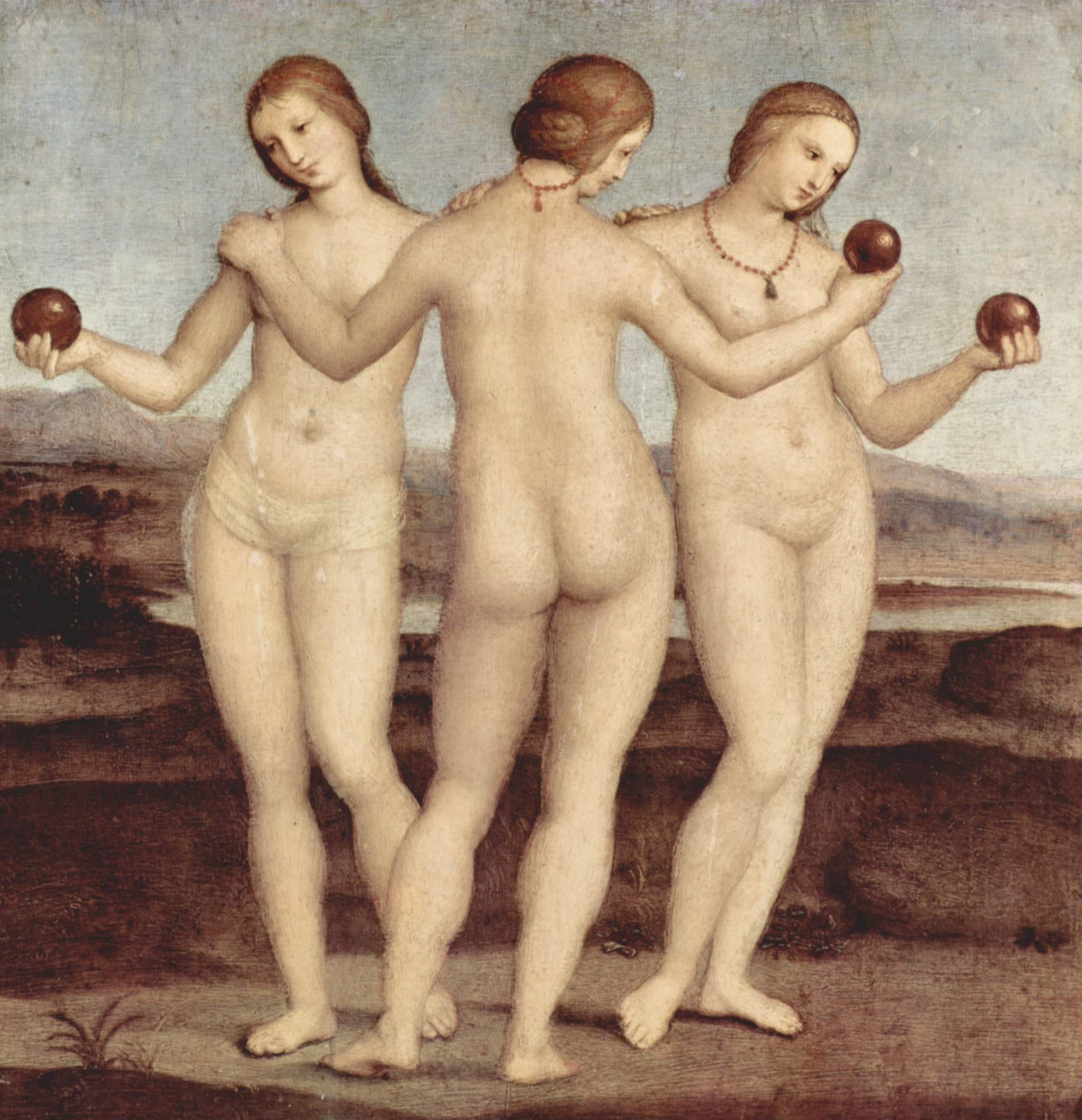


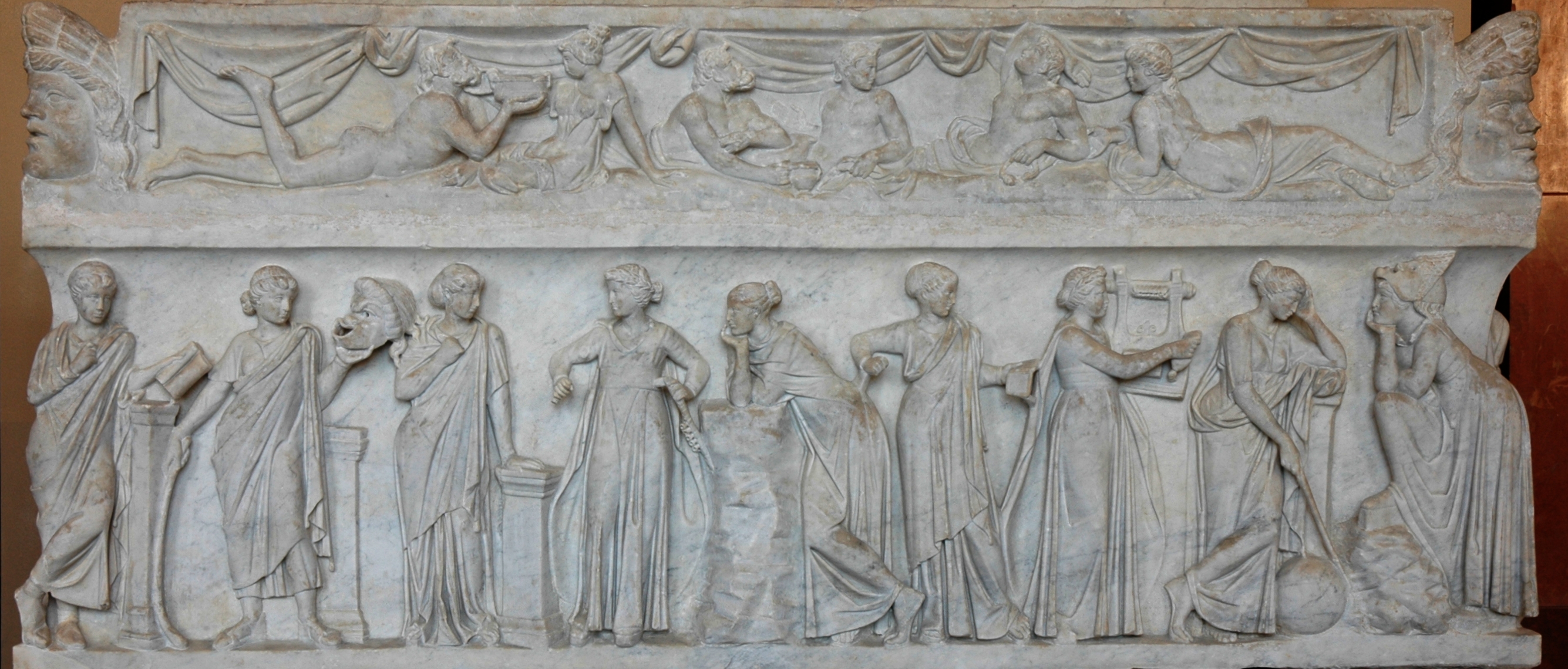

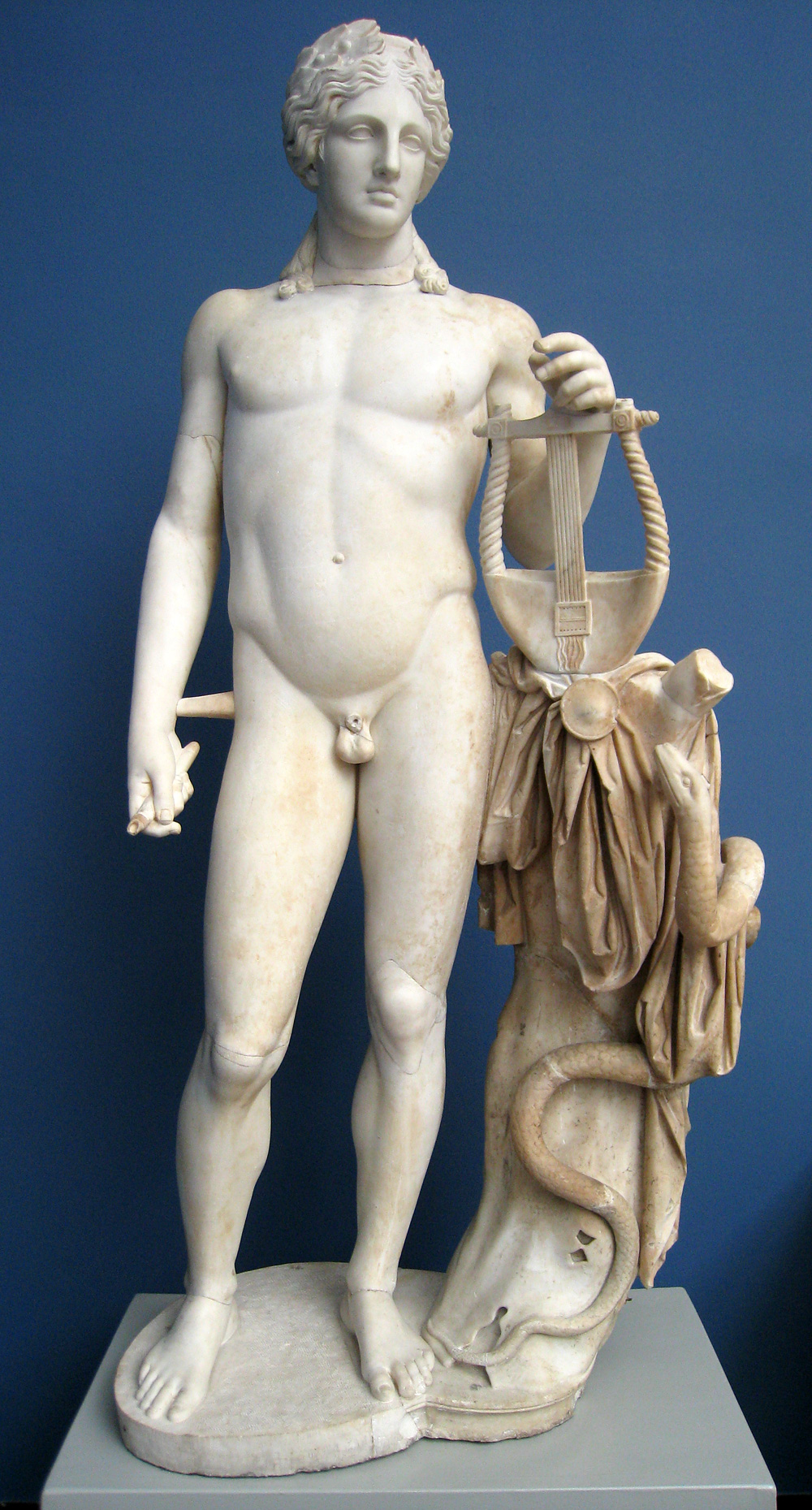
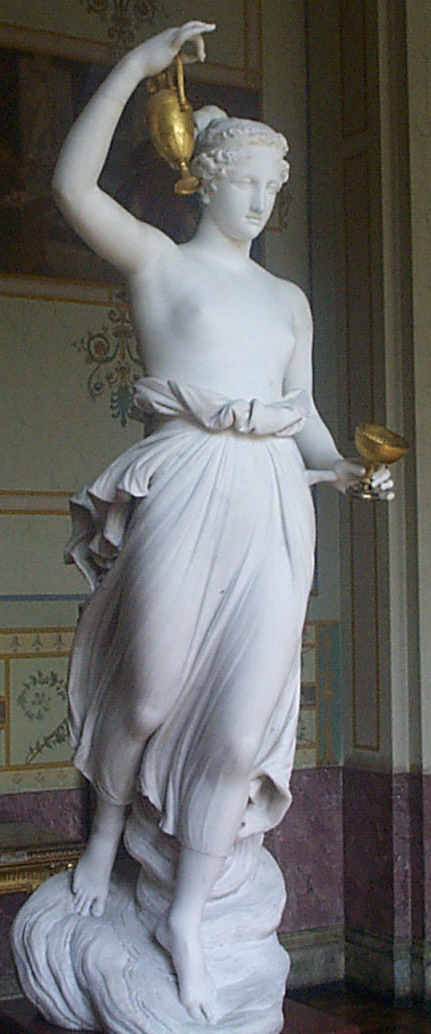
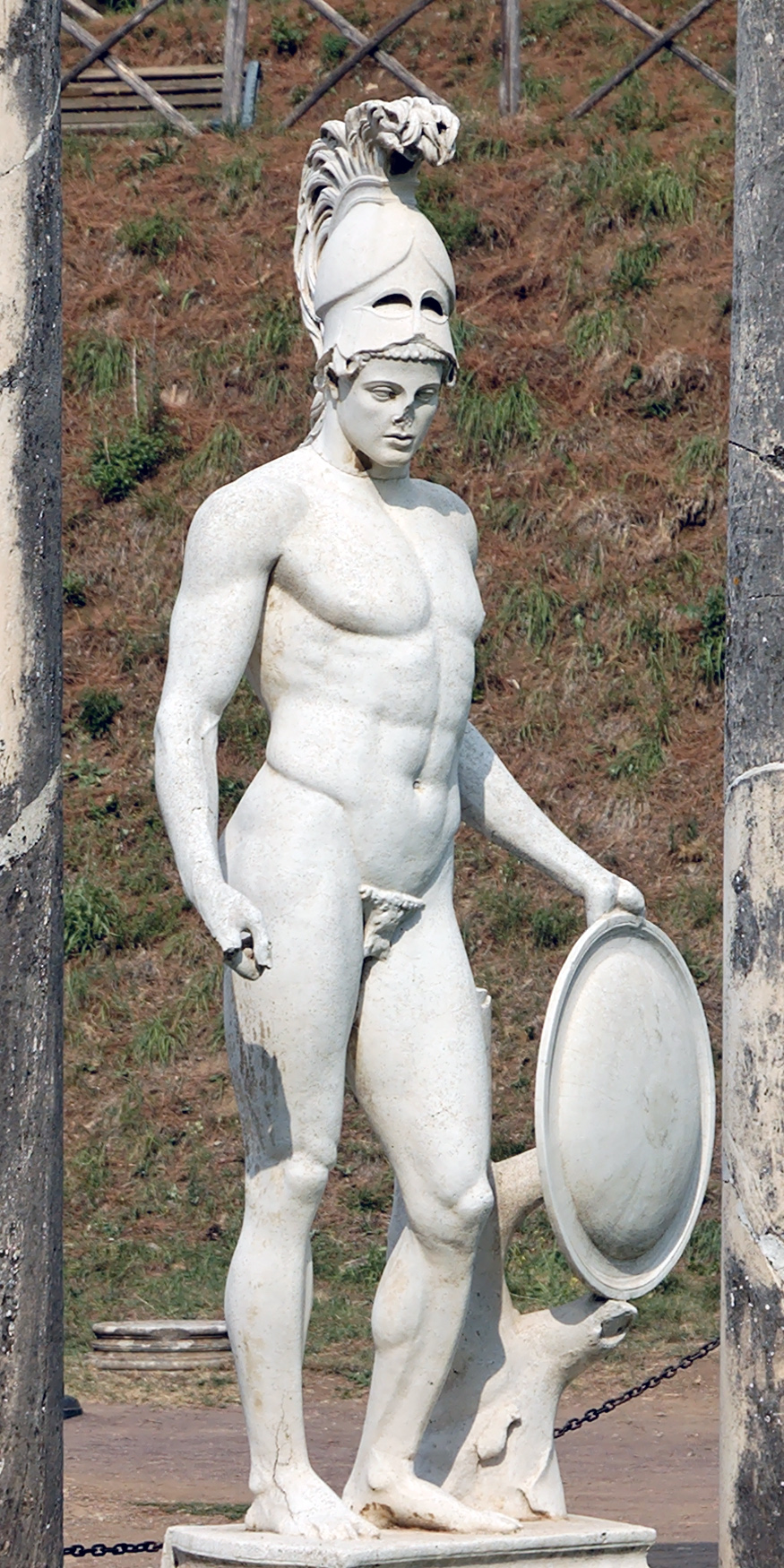

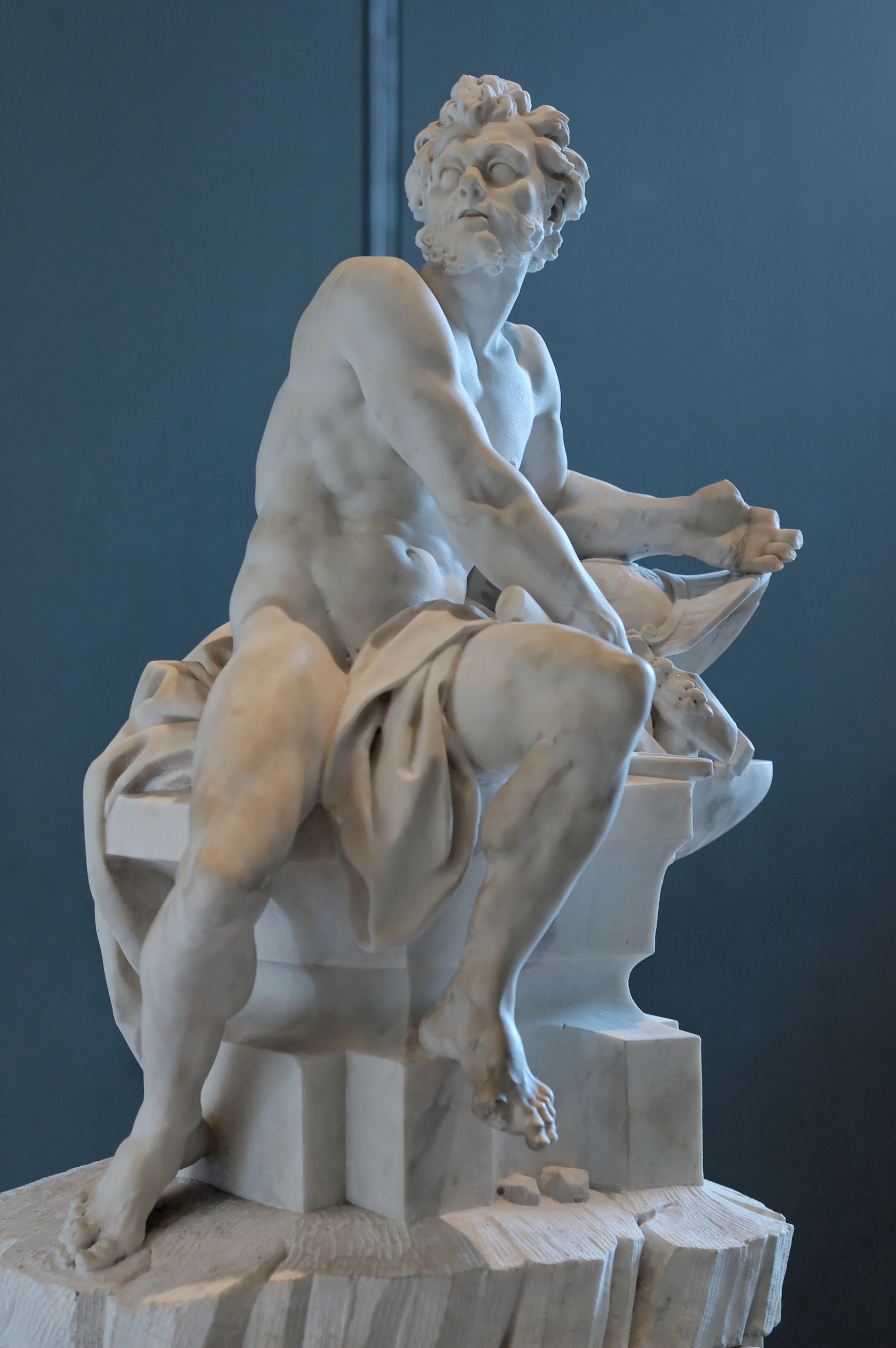


Just as with Eros, other traditions, including Homer, say that Aphrodite was not born from Uranus' castration, but was the daughter of Zeus and an Ocean Nymph named Dione; Dione is linguistically the feminine equivalent of Zeus, thus indicating their non-Hesiodic union was of very old provenance. Many consider Hepahaestus a son of Zeus as well as Hera, and Homer has him married to Aphrodite, while Hesiod has him married to one of the Graces.
The emphasis on genealogy has parallels in both the literature of the Bible and history. It helps to give some sense of timing to the events, even if the immortality of the figures obscures it. While he sneaks it in with his comments on Pandora, Hesiod does explain the birth of humanity and the human necessity of having to work, and have children to support them in old age.
In a later post, we will see how later writers characterized the three reigns of Uranus, Cronus, and Zeus. For now, it is enough to say that Hesiod characterized a cyclical view of history, but also a sense that the current order was more stable than what had been in the past. It is also important to see from here that the ancient Greeks were pantheistic – they imbued everything, seen and unseen, with a sense of the divine – and this informed the way they saw events during historical times.
A different translation than the ones I used can be found at many locations on the internet, including the Internet Sacred Text Archive.
Sunday, September 12, 2010
John of Nikiu: Without Foundation
I wrote my last post before I began reading the Chronicle of John, Bishop of Nikiu (as translated by R. H. Charles, and republished in the Christian Roman Empire series). Over the next day and a half, I read the first half the book, another one that will be entering my "rotation". John's writing demonstrates the great – and silly – pitfalls that come from being without the foundations I was explaining the need for.
John lived in the late seventh century in Upper Egypt, the first generation following the Arab conquest of that country. His work is in the Byzantine chronicle tradition (of which another example to come soon) that I wrote of a few days ago in which all world history is combined into a whole narrative, although some national pride comes through with some focus on Egyptian affairs. According to the introduction (p. iv, §2), the John wrote his Chronicle in Greek, and possibly (in part or in full) Coptic – an Egyptian language written in Greek letters – as well. At some point in time, the text was translated into Arabic, and then in 1602 from Arabic into Ethiopic (p. v). It is only two manuscripts (§3) from this final language that Europeans discovered in the 19th century, and from which the translation to English was made. Thus, it's quite possible that some of the oddities of the history are due to the numerous translation and not John himself; as Charles explains (p. vi, §4), "the Ethiopic translators were…largely ignorant of the historical persons and events described." On the other hand, the notes points to comparisons with other chroniclers, so neither John nor his genre can be completely innocent.
I plan to take a few posts to go over some of the issues I have found with John's Chronicle. The important foundations of history I described were the Jewish and the Graeco-Roman. As a Coptic Christian, John believed in the Coptic tradition, and as an Egyptian he was a cultural heir to the Greek tradition, via the Byzantine Empire, via the Roman Empire, which imported Greek Hellenistic culture, which itself involved both ancient Greek and Egyptian traditions. Anyhow, at the very least he should have had access to some of the Greek literature we have, in addition to the Bible. Yet, he combines mythology with religion in some very weird ways.
In the second chapter, he explains that Adam's son Seth named the five known planets (excluding Earth); while the notes and the many translations put this into question, it appears that John was suggesting that Seth gave them the Greek version of the names that we use, which is to say the names of Greek and Roman g-ds. Thus, the planets would be Hermes (Mercury), Aphrodite (Venus), Earth, Ares (Mars), Zeus (Jupiter), and Cronus (Saturn). It is later, according to John (Chapter 6), that Cronus, "a giant," who was a descendent of Noah's son Shem – and thus at least ten generations later than Seth – was named after the planet. I don't know whether the stories of mythologies developed before or after the identification of the g-ds with the planets, but even John can't really believe this order of things. Indeed, in the previous chapter, he explains that the Persians worshipped the Biblical giant Nimrod of Babylon, and identified him with the constellation Orion. John further places Cronus in "history," calling him the first king of Persia and Assyria (his distinctions between the two are never very clear). He married Rhea, as in mythology, but here an "Assyrian woman," and they have two sons: Zeus (also called "Picus") and Ninus. Zeus, of course, was Cronus' youngest son with Rhea in Greek mythology, while Ninus (as John explains) was the founder of the Assyrian capital Nineveh. The names, I believe, are identical in Greek, and while John didn't invent him, he may well have been a Greek personification of the city rather than a figure of Assyrian history or lore. Back to following the mythology, Cronus moved "to the west" to rule there, but still Zeus-Picus killed his father "because he devoured his children"; presumably these are the not here named Poseidon, Hades, Hera, Demeter, and Hestia. In myth though, Cronus moves from Greece to Italy after he has been defeated by his son. Based on Chapter 9, it seems that Zeus ruled in the west, as well.

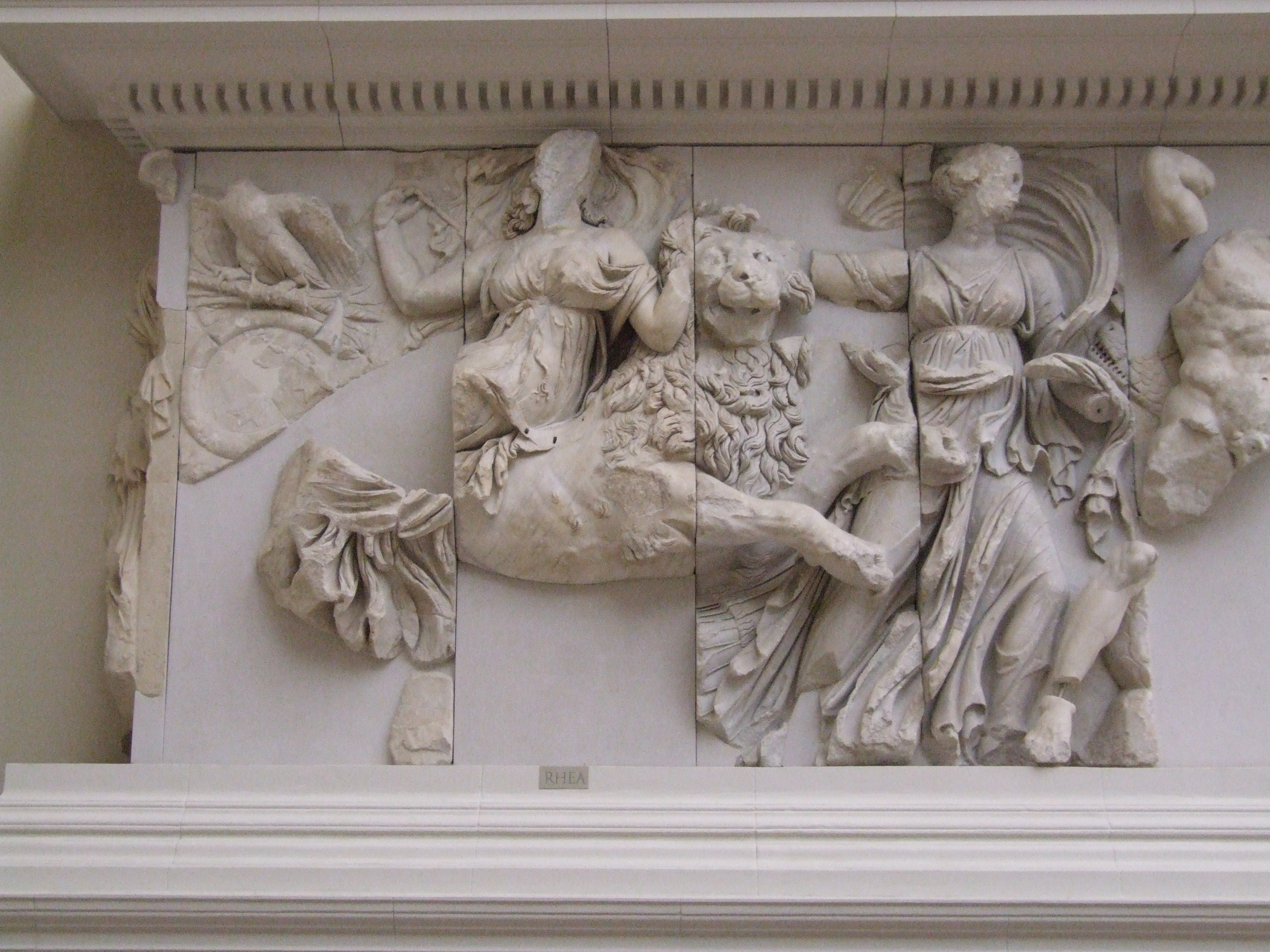



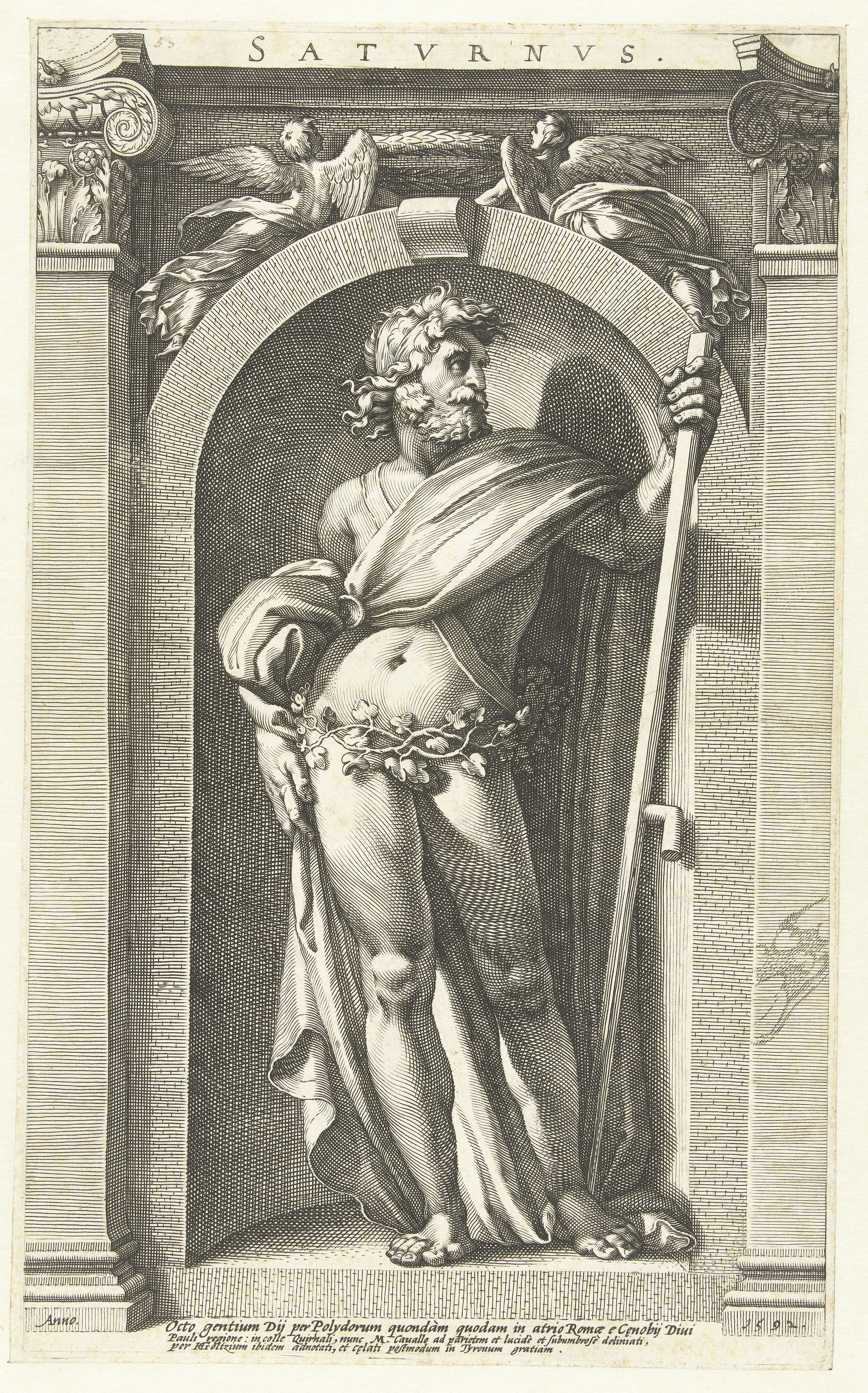
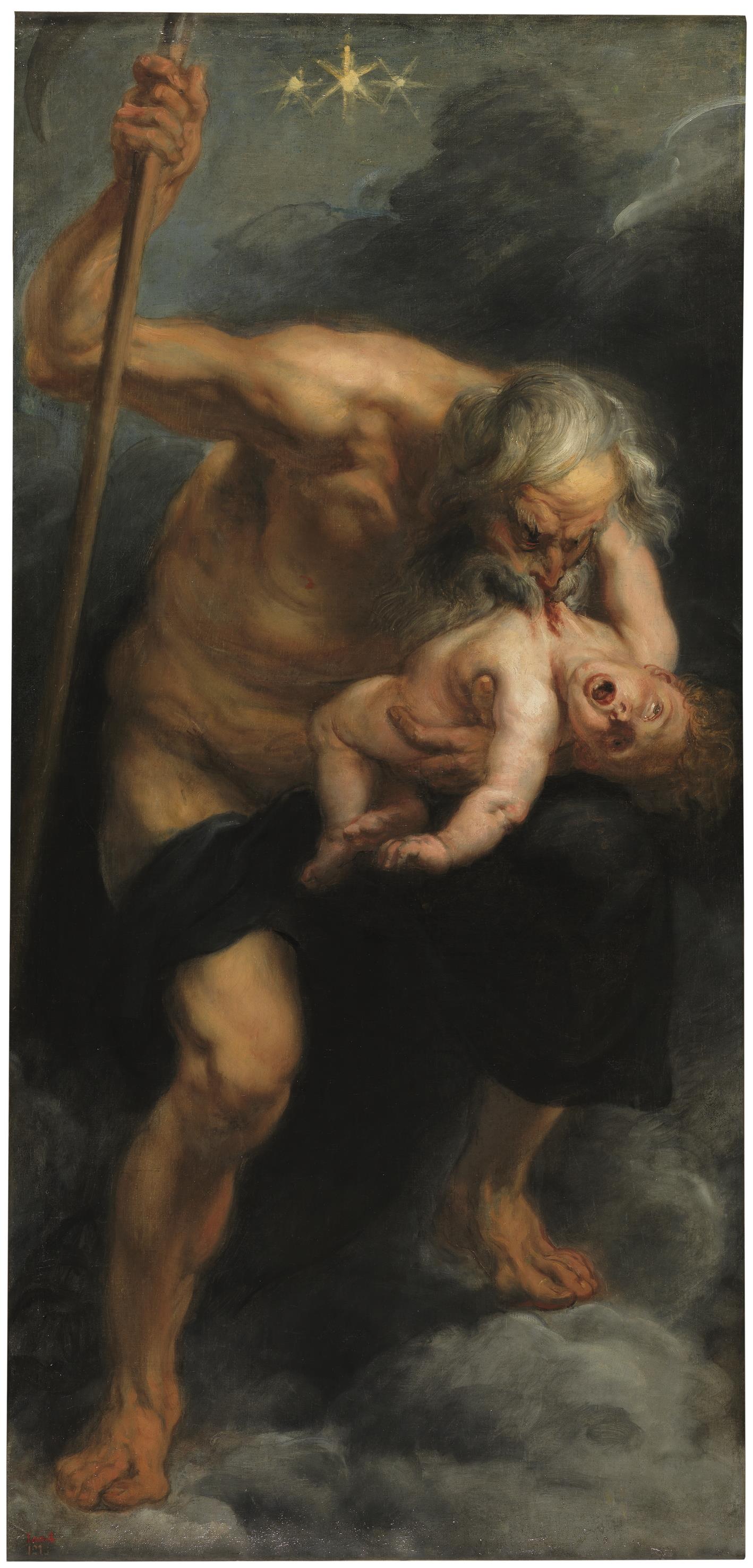

The next chapter has Zeus marrying both his mother Rhea and his sister, who still is not named. In the mythological tradition, Rhea was also overthrown in Zeus' rebellion, but he did marry his sister Hera – and have a daughter (Persephone) by Demeter. "[H]e begat by her a son named Belus": who the mother is is not clear, but I presume it's Hera. Belus, Greek for the Semitic idol Baal, does not match well with either of her sons, but was identified with the Sun (Helios), and eventually Zeus/Jupiter in Hellenistic and Roman times. Belus succeeded his father as king of Assyria, and was followed by Ninus (Chapter 8), who also married his mother, who in Chapter 6 was the same Rhea but now in Chapter 8 is Semiramis, the famous Assyrian queen of legend. Perseus comes to challenge Ninus' sons in Chapter 21; while the mythical Danae is forgotten as his mother, Zeus seems to remain as his father who helps him develop magical powers through the Gorgon (Medusa in mythology), to defeat Sardanapalus, presumably the reigning son of Ninus. Sardanapalus was a name like Semiramis in the legends of Assyria. As the new king, Perseus gives his name to the country, i.e., Persia.


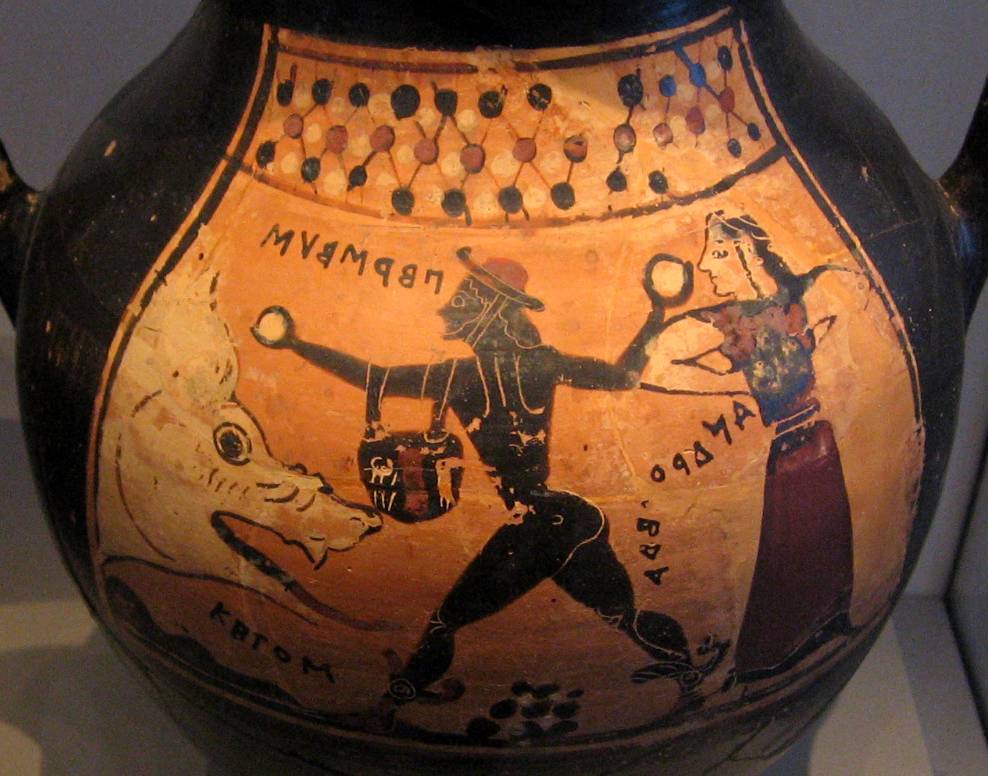
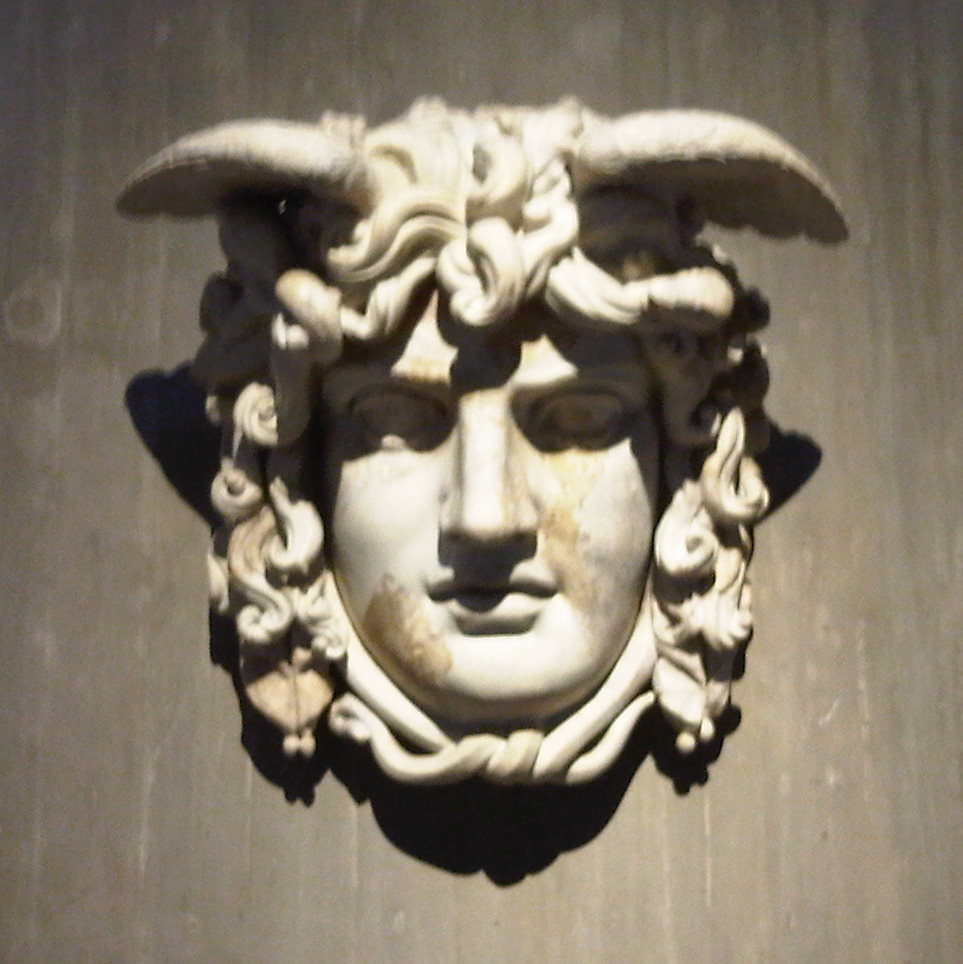
In Chapter 9, Hermes follows Zeus in the west, with an alternate name of Faunus. (Traditionally, the former is the name of the messenger of the g-ds, while the latter is a Roman deity of wildlife [the "fauna" of "flora and fauna"], who was sometimes identified with the Greek Pan, son of Hermes.) As a worker in gold and silver, he drew envy from his brothers and fled to Egypt. His story is reminiscent of the Biblical Joseph. John returns to Hermes in Chapter 15, calling him a sage who explained the doctrine of the Trinity. Chapter 11 explains that Hephaestus was a king in Egypt; otherwise his character follows mythology. Chapter 12 adds that both he and his son who succeeded him were worshipped as the Sun. The next chapter gives Dionysus rule over Egypt as well; both it and the fourteenth name cities in Egypt built by Dionysus and Osiris as identified with Apollo. Heracles (Hercules) was a philosopher of Tyre in Phoenicia who discover silk (Chapter 20).


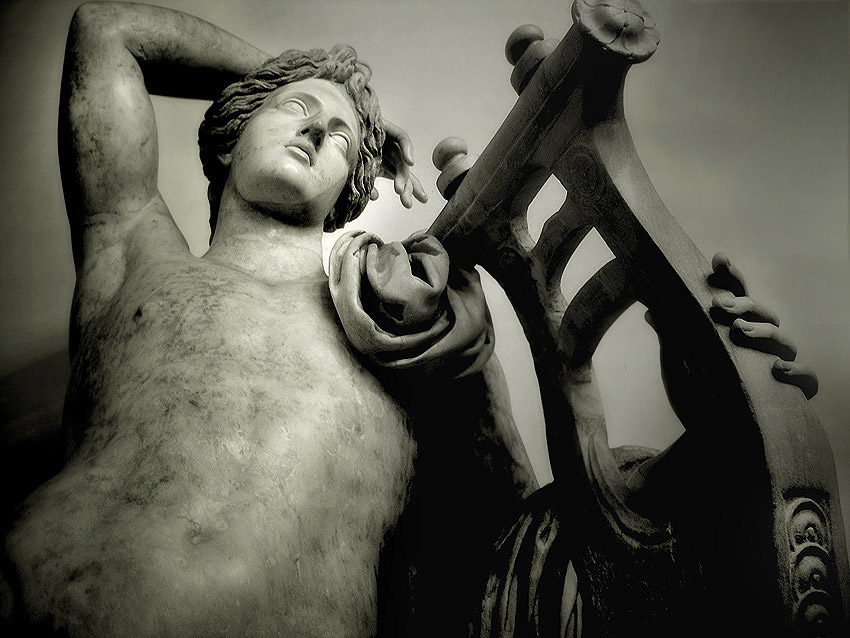
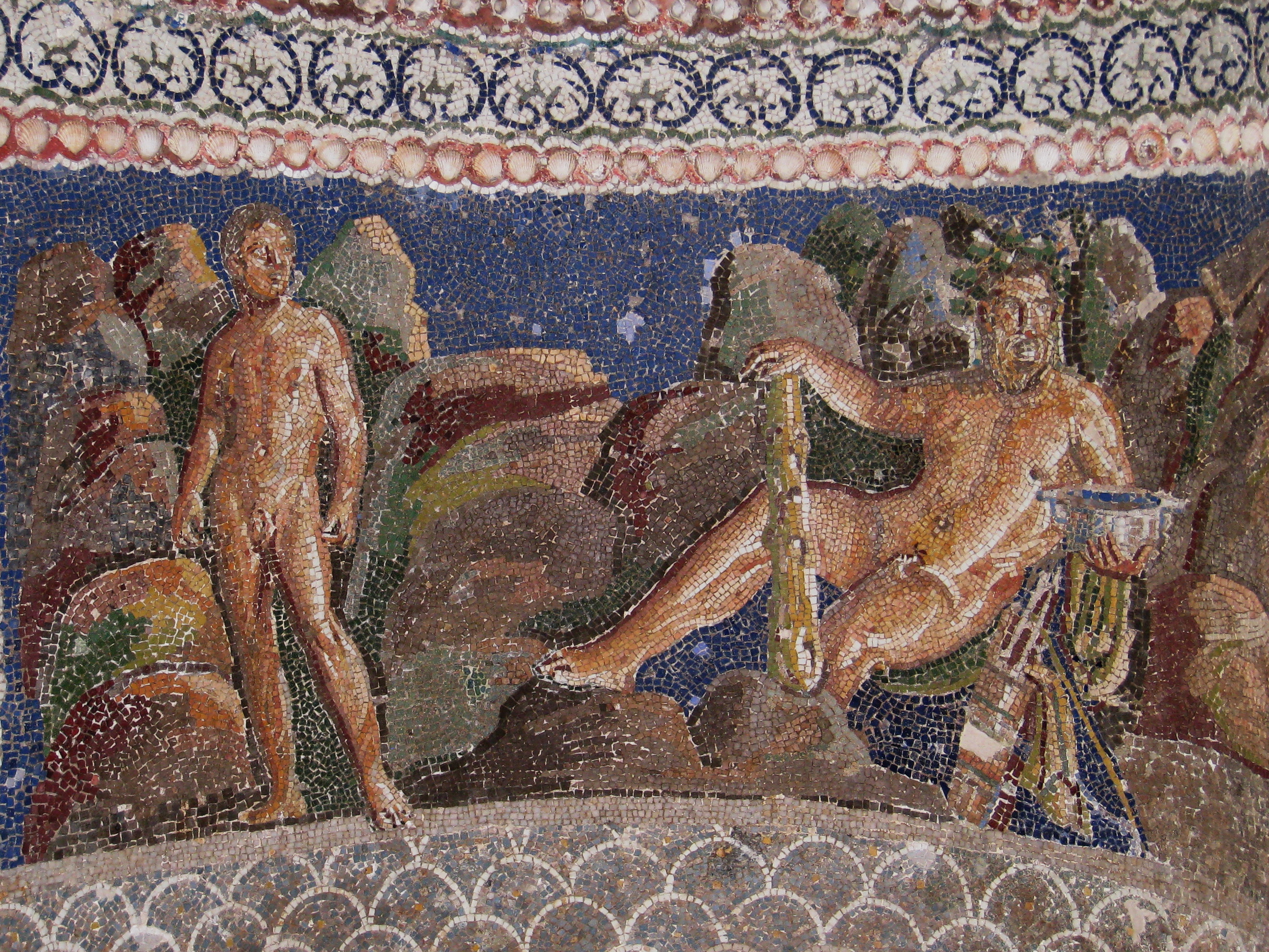
There is too much about John's Chronicle to put in one post, but as my next post will get into the right way to read foundations to Greek prehistory, I will just add that in Chapter 28, Hesiod is named as a descendent of Noah's son Japhet, and called the inventor of Greek writing.
An internet version of Charles' translation can be found at the Tertullian Project.
Wednesday, September 8, 2010
Foundations of Prehistory
I mentioned twice starting with Herodotus and Livy. Conceptually, though, it is important to have a grounding in prehistory, as well. By "prehistory" I mean two things: a) that which one should understand before reading history, and b) that which occurred before people began to write history. The second point would refer to anything that happened before the events Herodotus wrote about; while there are certainly recordings of prior times, they were either transmitted orally or not written as history but for another purpose. Far from making these events historically remote, the versions that were written – and survived – are of the greatest significance in understanding the ways people of historical times thought. Until rather recently, the authority of tradition had few challenges. For my purposes there are two and a half traditions to look at for the foundations to prehistory.
The first is the Jewish tradition, and is based upon reading the Tanach (Jewish Bible). Exact historical accuracy is not the point, and I don't really want to get into arguments about that. Instead, what matters is that for over three millennia, Jews, and to a lesser extent Christians, and to an even less extent Muslims, have lived within a culture and context of the Tanach holding moral truth to them.
The second tradition is Greek mythology, and the final half includes any variations in Roman mythology. While the relationship of mythology to pagans is not the same as the Bible to monotheists, it still provided a context and explanation for why things existed as they did. I will be getting into the Archaic and Classical literature is most relevant for such foundations in the future. In addition, the transitions from legend to history tell us something about when the Classical writers themselves saw pre-historical times, rather than times that seemed very similar to their own.
We all know the advice about learning from history to avoid repeating mistakes. It is fair to say that even if, today, we don't necessarily see the stories in these traditions as historical, ancient people were even more likely to turn to them for help in their own lives.
I think these threads are the most important for understanding the history of Western Civilization. Obviously, Christianity plays an outsize role as well, and I have included it in my reading (as here and here). That religion, of course, developed during historical times, and so requires no prehistory beyond the Jewish tradition. Egyptian, Mesopotamian (Sumerian, Chaldean, Assyrian, Babylonian), and Iranian (Medean and Persian) traditions have also played some significance. However, until much more modern times, most of the Western understanding of these cultures has been mediated through the other traditions – primarily Greek, but also the Bible. At the end of antiquity, Germanic/Norse peoples conquered much of Europe. My reading is increasingly bringing me into contact with them, but for the most part the growth of literacy (even for a tiny, educated minority) was coeval with the proliferation of Christianity. Just as with any other nations, writers will tend to explain more or less of their background depending on how exotic he finds them.
More on Oedipus and the Sphinx
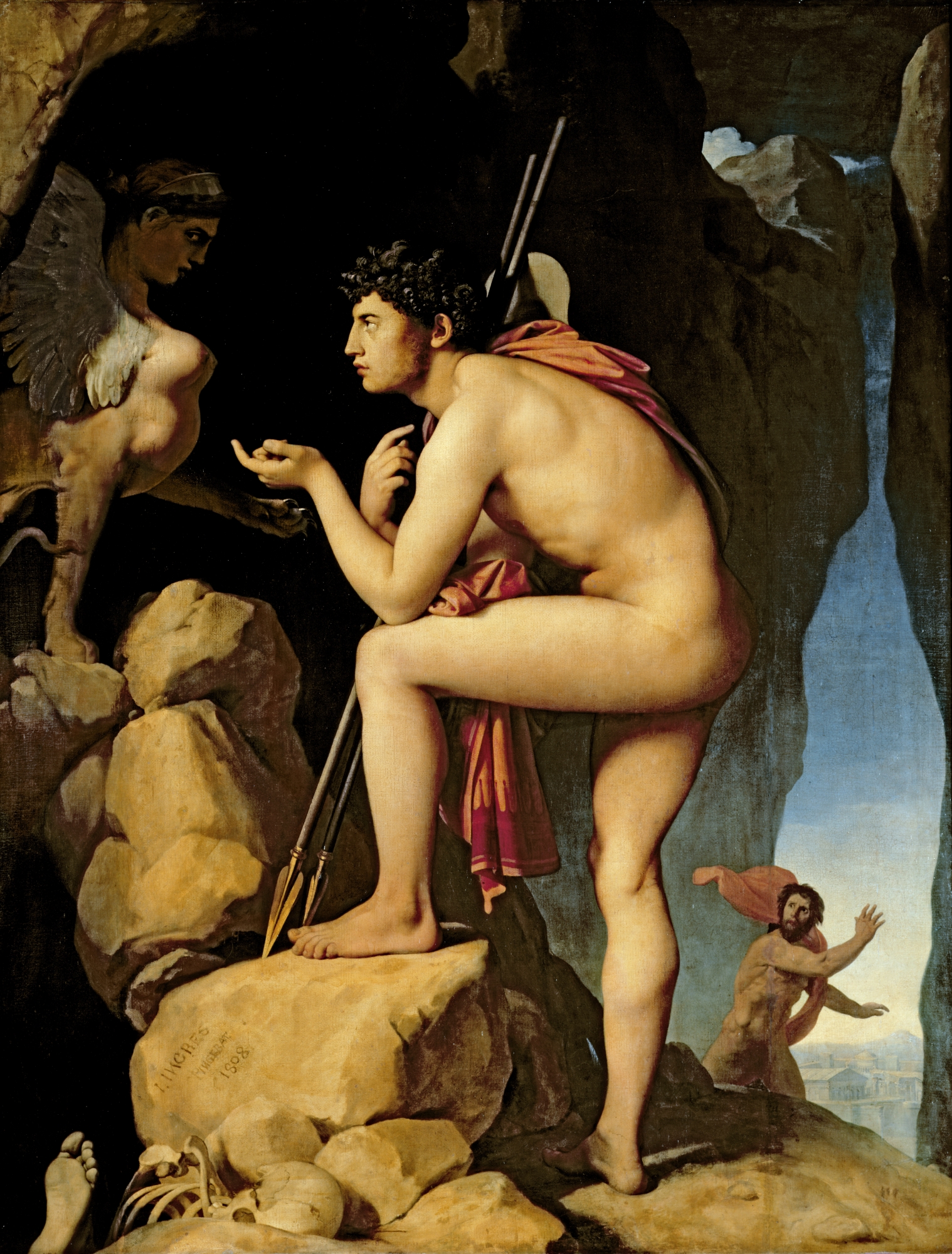
A few more thoughts inspired by Philostorgius' explanation of the legend of Oedipus and the Sphinx. He believes that the story derives from an exotic ape that found its way to central Greece. It is likely, however, that the concept of the Sphinx developed elsewhere than Greece (Egypt, perhaps), and was later imported to Boeotian Thebes, like so much else in Greek mythology.
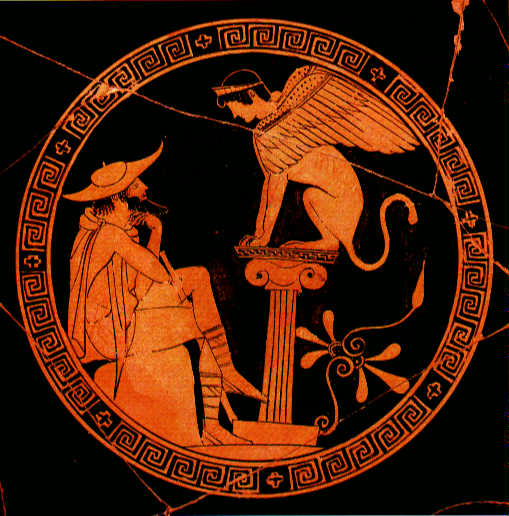

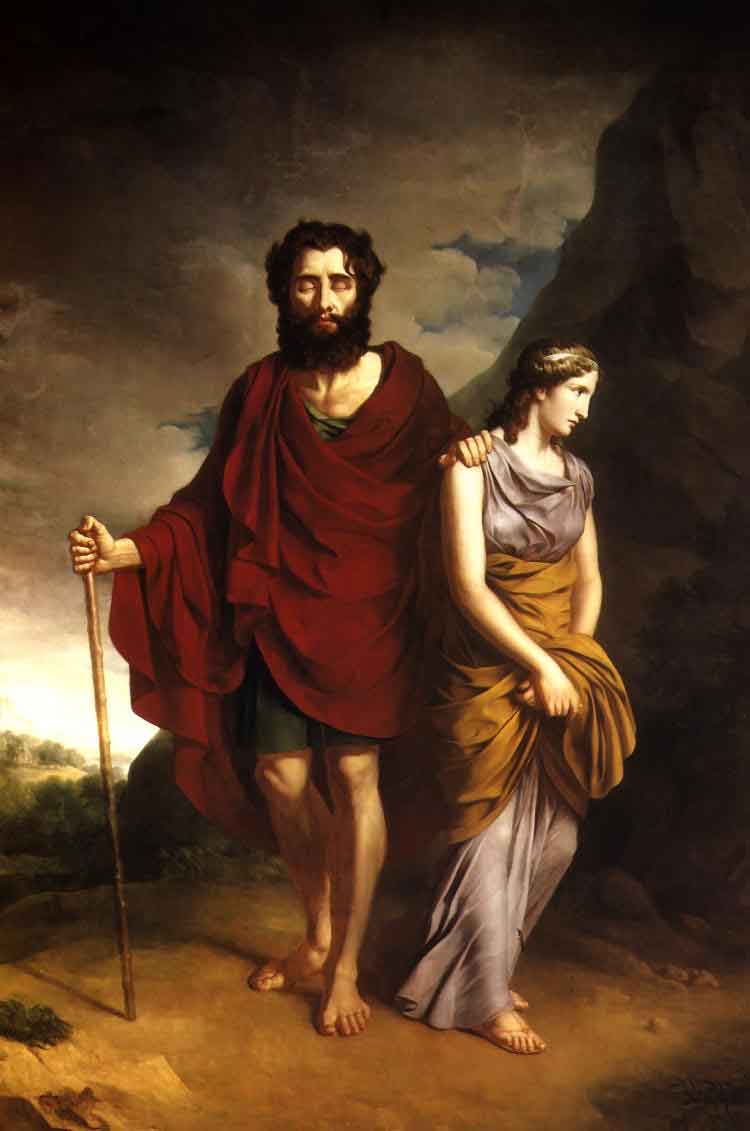
The issue of the riddle goes a bit further. The famous answer to the enigma doesn't just illustrate Oedipus' wisdom, but it applies to him more specifically than to most men. As Apollodorus puts it in Book III, Chapter 8 of his Library of Greek Mythology (Robin Hard's translation for Oxford World Classics), "The riddle ran as follows: what is it that has a single voice, and has four feet, and then two feet, and then three feet?" As a baby, Oedipus' ankles were pierced, so he had to crawl longer than normal. As an adult, he was a king and stood up with pride, but very straight due to the old injury. As an old man, he was blind and so relied on his walking stick more than others.


While, in this case, I assume that the stories of Oedipus and the Sphinx developed separately, then came together, and then later the riddle was introduced, it is interesting to think if something like Philostorgius' chronology is possible (with this story, or any other), such that maybe a non-descript man killed the ape, then the noises were turned into the riddle, and then the riddle becomes the story for the man.
Philostorgius: History of Heresy
I listed my latest "rotation" in a previous post; before I move on to the next rotation, there are some histories that I am starting and reading up to the point of the Emperor Gratian's death in 383 that I reached in my reading. I have just done that now for the Ecclesiastical History of Philostorgius, or rather what is left of it. As I mentioned below, medieval Byzantine writers made summaries, called epitomes, and collections of excerpts of earlier books. Philostorgius' work only exists today in these forms: a detailed summary by Photius, and some extracts by Suidas. I am reading the translation by Edward Walford for Bohn's Ecclesiastical Library.

Philostorgius is now the fourth church historian I am reading for this period. Like Sozomen, Socrates, and Theodoret, he wrote in the middle of the fifth century as a conscious continuation of the History of Eusebius, the acknowledged father of history for the Christian Church. Even without the fullness of his text, it is clear that Philostorgius utilized the same characteristics of the genre: major imperial affairs and political involvement in the church, succession in major bishoprics, important regional and universal councils, short lives of holy men and women including their miracles and missionary activity, and the waxing and waning of heresies and schisms. (Unlike the Latin-speaking Optatus, the historians all wrote in Greek, and so generally focused more of their attentions in the East, thus make little to no mention of Donatism.)
Philostorgius, however, has an important difference from the other authors. Whereas as those three were all orthodox Christians, defenders of the Nicene creed, and for whom the oft-exiled Athanasius, bishop of Alexandria, was the hero of the era, Philostorgius was an adherent of the Arian heresy. Arius, a fellow Alexandrian and arch-rival of Athanasius, objected to what was becoming – and was codified at Nicaea – the orthodox understanding of the metaphysics of the Trinity in the early fourth century. Athanasius and his allies took the position of "consubstantiality," or homoousian in Greek; basically, this means that all three "Persons" of the Trinity were of the same "substance." More importantly, it places Jesus in a position of equality with G-d the Father when it comes to creation. Arius and his followers denied this sameness. Following his death, the Arian heresy split further between homoiousians (sometimes called semi-Arians) who believed the Son was of "similar" substance to the Father, and heteroousians who claimed their substances were completely different. Philostorgius was a heteroousian.


This controversy is archetypal for why metaphysics has a bad name. G-d has no part in physicality, so I don't know how to conceive of a non-physical substance, let alone the possibility of multiple non-physical substances.
Photius (a leader in the Byzantine church) and Walford (a man of the Victorian era) also don't like what Philostorgius has to say on these matters, but for a different reason. Whereas Optatus argued with Parmenianus but stilled called him "brother," Photius is full of insults for Philostorgius as he summarizes his work, chapter by chapter. Starting in the third chapter of the first book, Photius calls him "impious," and then again many times thereafter. I suppose that with the historian long dead, Photius saw no need for charity. Walford, in his notes, always compares Philostorgius unfavorably to the three orthodox historians, and uses the notes for some apologetics of his own.
While discussing some missionary activity in Book III, Philostorgius goes into some geography. This brings up some fantastic beasts he had seen, which had been brought back to the Rome or Constantinople, where he had seen them. Though some of this is clearly made-up, considering his inclusion of a unicorn, one animal brings with it an interesting story. He claims, in the eleventh chapter of the book, that an Indian (it's unclear whether he actually means India, as there seems to be confusion between that country and Ethiopia) king had sent the Emperor Constantine the Great a kind of ape, which was preserved after its death. He says,
"It seems to me that the Greeks must once upon a time have seen this monster, and, amazed at the strangeness of its appearance, adopted it as a god, in accordance with their ordinary practice of making a god out of everything strange and wonderful...The sphinx, too, is a kind of ape, as I myself can testify from what I have seen. The rest of the body of the sphinx is covered with hair, just as all other apes, but from its head to its breast it is free from hair, and has the breasts of a woman. Where its body is bare, it has a raised portion of red, like millet, running round it, which elegantly harmonizes with the fleshy colour in the middle, and improves it. Its face is tolerably round, and inclining to the form of a woman. Its voice is very like the human voice, though not articulate; it most nearly approximates that of a woman uttering her words in a hurried and indistinct manner under the influence of anger and grief, and it is rather flat than sharp; the beast moreover is very savage and cunning, and cannot be tamed without difficulty."
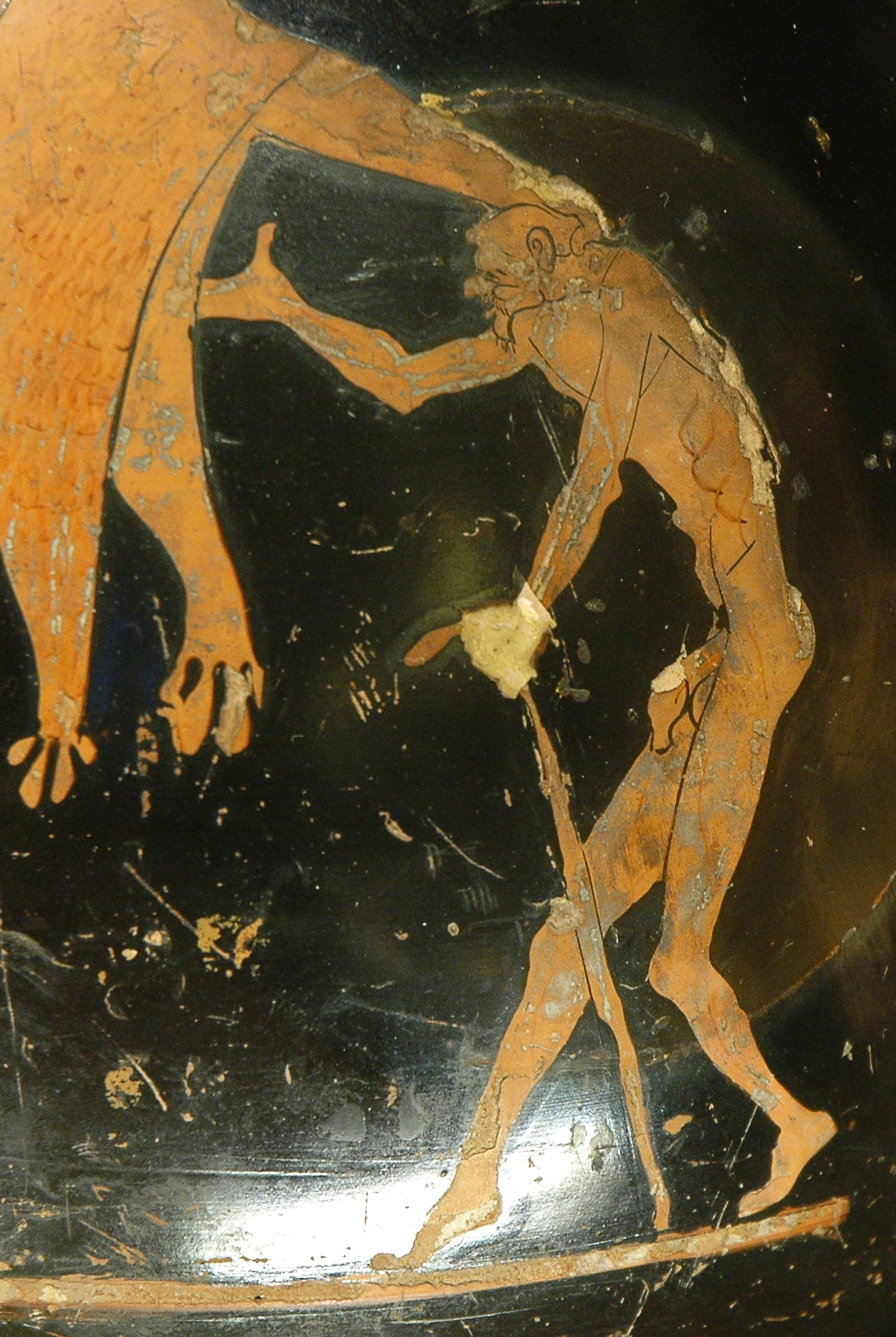
He then rationalizes the myth of Oedipus and the Sphinx at Thebes. This monkey, he supposes, had somehow reached the city and was terrorizing the residents with its wild, aggressive, and violent behavior. Having a nearly human voice, the legend turned its wordless noises into the famous enigma. Oedipus was able to kill it, and the rest was legendizing. This seems to me to be a good illustration of how educated Christians understood Greek mythology, without either turning everything into demons or claiming the whole thing is made up.
Following the death of Constantine I in 337, through the death of Valens in 378, Constantius II and Valens had power in the Eastern Empire for all but a couple of years. Both of these Augusti were, at times, sympathetic to or active partisans for the Arian heresy. Thus, despite the so-called orthodoxy of the followers of the Nicene faith, they were often out of power and influence. These were years of fast growth for the Christian religion, as with the exception of Julian, it seems that each Christian emperor was more and more fully Christian and less and less pagan; the laity being full of new converts were probably easily swayed to believe as the reigning bishops taught, despite their divergence from what had been agreed to at Nicaea. The Western Emperors, very much including the brothers of Constantius and Valens, were steadier with the consubstantial party.
Both sides proved quick to use the coercive power of the state against both intra- and inter-faith enemies, so soon after the persecutions by the pagans. Perhaps this justifies, in some small degree, the desire for revenge by the pagans when Julian came to power as their last hope. I would not, at this point, call it bloody, but I also wouldn't quite call it clean. There was somewhat more liberty than under the magisterial confessionalization system of post-Reformation Europe, but maybe only because the different religions, within Christianity and without, were harder to reconcile. It is also clear from Nicene, Arian, and pagan writers that everyone took a providential view of events in the declining days of the Empire. Political leaders of all stripes, to say the least, each made their share of mistakes.
An internet version of the same translation I used can be found at the Tertullian Project.
Tuesday, September 7, 2010
Contemporary vs. Merely Ancient
I mentioned below that Herodotus and Livy were the natural places to start reading ancient history. That raises the question of whether they are equally valid sources, considering Herodotus wrote about events within the previous generation to his writing, and specifically mentioned that he was able to interview people who were involved in the events described. Livy, on the other hand, write from the founding of the city of Rome (the title of the work meaning that in Latin: Ab Urbe Condita) all the way up to his own lifetime about 750 years later. But then can I really say that they're equally valid sources? The answer, I believe, is a qualified yes.
I have long believed that, for modern history, a lag time of around fifty years is necessary in order to achieve something close the objectivity. Opinions last quite a long time, one would say entire adult lifetime. Now, in the ancient world, when lives were shorter and without any mass media or even daily newspapers, a shorter lag time is probably effective enough at giving some distance and perspective. Herodotus, I believe, was within the sweet spot for perspective; Thucydides, on the other hand, probably was not. While he was intimately involved in the events of the Peloponnesian War, he had no perspective. I'm sure I will be getting into this in some detail in a later post.
Livy wrote around the turn of the eras. Thirty-five of the first forty-five books in his history survive, covering around six hundred years, while the more recent 150 years in the final 98 books are only now available in summaries and short excerpts. This tells us something about the relative degree of detail between the two periods. Livy had access to several works by earlier authors that have not survived; for example, Cato the Elder was, by all accounts, a self-serving history, but by a man of great importance – having served in the Second Punic War in his youth, he attained the highest offices of the Roman Republic, and as an elder statesmen he was the lead advocate for the Third Punic War. Unfortunately this work is totally lost, although I will be getting into the work of his that has survived in the future. I believe the loss of Cato and the survival of Livy (at least for most of the period on which Cato wrote) indicates something about the way the readers, and most likely audiences as well, felt about the merit and value of the two. Livy had become superior to Cato. This suggests that even if Cato was more detailed, or had some slightly different spin, by the time of Livy and his readers in future generations, Livy's version of events was preferred. Quite often similar logic can apply to any other pair or group of authors.
Had they all survived intact, Livy, Tacitus, and Ammianus Marcellinus alone could provide a Roman history from the founding of the city to the sack of Adrianople and the death of Valens some eleven centuries later. From what I can tell, these three authors would provide the best understanding of the way the Romans themselves understood how their history unfolded. Unfortunately, much of it is lost: much of the third century and the final century and a half from Livy are no longer extent, Tacitus is spotty in parts, and the portions of Ammianus Marcellinus before his own time are gone. Thus we must rely upon another source. Sometimes the other sources are more contemporary, sometimes they are less. Especially among sources written in the Greek language, Byzantine writers of the Middle Ages compiled the writings into collections or summaries of classical works. Sometimes these are the best we, as modern historians, can do. Possibly the most important fault-line to consider is whether book was written before or after the invention of the printing press (1440). As long as the author I'm reading had access to a work that I do not, he has something to contribute. Is this ideal? No, of course not. But, it's the best we can do.
I prefer history that was written closer to the time period the events occurred. The closer the historian to the event, the fewer other sources I should probably require. Still, authors of a later time may have had access to different authors of earlier times. I mentioned in an earlier post the historians of Alexander the Great. None of them wrote within a quarter millennium of Alexander's tine, yet it is clear that they had access to at least three or four writers who'd taken part in Alexander's campaign. It would be nice if we had the works of Ptolemy or Aristobulus, but we do not. We can hope that the later authors preserved the truth in their sources faithfully, while adding perspective and other information to what was in the received material. By the time of the authors that do survive had passed, they were providing what the general understanding of Alexander had become; the new authors were also the new standard. It is my continual working hypothesis that it is the same with most other circumstances. Historical traditions can be variable, which is why I usually attempt to find multiple sources for an event. When variation can end and any new "information" about an old event must be dismissed as fiction is by no means clear line, but if the author can conceivably be thought ancient in culture, in knowledge, in technology, in resources (certain ancient libraries of great importance survived some centuries into the common era) I consider the author to be a good enough ancient source, in lieu of something better.
Sunday, September 5, 2010
Introduction
Welcome to my new blog. I have read over eleven centuries of classical history using ancient sources (I take the founding of Rome as my starting date, roughly in 750 BCE, and have reached the death of the emperor Gratian in 383 CE). This blog will be my vehicle to attempt to explicate both what I have read and what I have learned. In addition, I will discuss some larger theories about why history unfolded as it did. For example, I posit that Hannibal of Carthage was among the most responsible of actors for the downfall of the Roman Empire, despite losing two wars to them. Stay tuned to read how.
Beyond pure history, I will delve into other fictional and non-fictional sources that elucidate how life was lived in the period. While a reliance on ancient sources incorporates the limitations of the authors, including both their ignorance and biases (no different from a modern there), such writing tells us what the ancient people understood. False knowledge may better explain future action when the truth was unknown. Considering that, I take what I read from ancient historians as effectively true as long as there's not another ancient historian who disagrees, or a modern editor or translator whose help I rely on has not made a compelling argument about why they should be taken as a complete legend.
I very much welcome comments and hope this will be an opportunity to meet new people who have some of the same interests I do. I was a minor in history in college, but I think that this kind of learning can be a lot more enjoyable reading when it is only done for fun rather than for class. If similar people are out there, then let's make this a two way street.
Subscribe to:
Posts (Atom)