Showing posts with label Egypt. Show all posts
Showing posts with label Egypt. Show all posts
Thursday, September 16, 2010
John of Nikiu: Rome and Macedonia
This is the final post on John of Nikiu. After the round-up of the final Persian emperors, John moves backward in time the better part of a millennium to introduce Aeneas as the beginning of Roman history. In between three chapters (52-54) on The activities of Aeneas and what would appear to be his son – though without anything close to associating the son as the ancestor of Julius Caesar – and the foundation of Rome itself, he takes Chapter 55 to relate the foundation of Carthage by Dido, mixing as best I can tell the mythology of her as a contemporary of Aeneas and the history that placed the city's foundation less than a century before Rome's.
Romulus and Remus are placed contemporary to the Judean king Hezekiah, continuing John's method of Biblical dating for events outside the scope of Jewish history. While skipping the fabulous elements of their birth and infancy, their adult career is more or less traditional. Just as Chapter 56 shows how Romulus instituted Rome's institutions for war, Chapter 57 shows how his successor Numa Pompilius instituted Rome's institutions for peace.
John then skips back ahead about three centuries to King Philip of Macedonia; because his reign was either after or just at the cusp of the end of the Jewish Bible's time period, he can only date it by explaining, "in the days of the high priest of Jerusalem," to begin Chapter 58, which isn't very specific as whenever the Temple stood, there was a high priest. His main point for Philip was the foundation of Thessalonica after defeating the people of Thessaly. His son, Alexander, arrives in the next chapter, with his first act recorded being the foundation of Alexandria after conquering Egypt. Early attention is also paid to events near Byzantium. He calls Roxana a daughter of Darius that he married after he defeated him, when Roxana was actually a Bactrian. He also spends time on an adventure wherein a Candace, queen of Ethiopia – like Philostorgius, it seems likely Ethiopia and India are being confused because he went to India but not Ethiopia, although a Wikipedia search suggests otherwise – who was able to capture Alexander. He considers a relatively clean division on Alexander's death of his empire, quite a historically, with the single exception of warring between Antigonus and Seleucus over Syria (Chapter 61). In Chapter 62, he tells us that the Chronicle genre was invented by "Seleucus, that is Pausanias"; because this is in the midst of Syrian history, which contained many kings named Seleucus, it is unclear whether this was one of those kings, or even a Syrian. Chapter 63 says that Antiochus Epiphanes persecuted with Maccabees, without any indication that the latter ended up victorious.
Perhaps the greatest proof of the exclusive interest in kingship for John is that he skips over the entire Republican period of Rome. Under the Republic, Rome grew from an individual city to an empire that encompassed nearly the entire Mediterranean (and of course the three Punic Wars would make the inclusion of Carthage's founding more important), although with at least a de jure exception of Egypt. Yet, after the second king of Rome and the excursus on Macedonia, he goes directly to Julius Caesar in Chapter 64. And even with Caesar, whose life is one of the best attested in all of antiquity, his description reads as much of romance as history. He begins by insinuating a portent from his birth by Caesarian section, saying, "The birth of Julius was not like the birth of (ordinary) men." His first act as an adult is to be "named" a Triumvir, as if it were an official office rather than an informal political alliance, and directly from that to king – even Shakespeare knew better than to think he became a king! John seems to say Caesar fought the Persians, which he did not, and then that he actually married Cleopatra, when their affair was extramarital. He then takes two chapters to explain how two client kings, Archelaus of Cappadocia and Herod of Judea, gave him support. Chapter 67 then talks about the works of Cleopatra, giving an extremely positive assessment, likely out of national pride. Her death – no reason given – segues into Augustus taking possession of the country. All the civil wars, Julius Caesar's assassination, and even Cleopatra's relationship with Mark Antony, are completely scrubbed from the Chronicle.
Augustus is most important to Bishop John because it was during his reign that Jesus was born. Following Luke, he was born in Bethlehem during the census; for good measure, he adds that Augustus decreed the census on the advice of a certain Eumenes and Attalus. As there is no testimony to the census outside of the Christian tradition, it is assuredly fictional, as the names of Eumenes and Attalus suggest – they were the names used by the kings in the 3rd and 2nd century BCE dynasty ruling the Roman-ally and Hellenistic kingdom of Pergamum in Asia Minor. As even John recognizes, the purpose of a census was to determine tax levels at a time when taxation was indirect; place of family origin was irrelevant. What's more, Nazareth and the rest of the Galilee, had once been part of the Northern Kingdom of Israel that was exiled (and lost) by the Assyrian Empire. Thus, every Jew living there had an ancestral home in the south, not just Jesus' family. The chapter ends returning to Augustus and his machinations with the calendar.
Chapter 69 briefly relates the reign of Tiberius, mainly some tributes to him, and, of course, the crucifixion of Jesus in Jerusalem. He skips completely over Caligula to the death of Claudius and the reign of Nero. He explains, in Chapter 70, that Nero "was a pagan and an idolater" as if this somehow made him unique; in fact, his Stoic teaching from Seneca and marriage (odd as it was) to the enigmatic Poppaea Sabina probably made his paganism less egregious than many for most of his reign, but more on this in the future. John includes his marriages to men, for which reason he says that after his flight from Rome "his belly grew distended and became like that of a pregnant woman" so his doctor opened it thinking a baby would be born, but Nero died. Again, John has included as much of the fantastic as the historic.
All four emperors of 69 CE and their civil wars are again ignored, as is the destruction of the Temple in Jerusalem, moving to Titus' death and Domitian's reign at Chapter 71. He is condemned – somewhat surprisingly unlike Nero – for his persecution of Christians, including John the Evangelist. He was put to death for his misdeeds and the "very excellent, humane, and wise" Nerva was chosen to be the next emperor. After his short reign, the "idolatrous" Trajan appears in Chapter 72, mostly for his persecutions of Christians. A Jewish rebellion in Alexandria and Cyrene also leads to some building activity in Egypt, which was added to by his successor Hadrian in the next Chapter. Chapter 74 explains the reigns of Antoninus Pius and Marcus Aurelius: the former "was the first to do justice" in Rome and "punished…evil" in Egypt; the latter followed in his footsteps. For centuries (although not, to my knowledge, in antiquity itself), the rulers from Nerva to Marcus Aurelius have been known as the "Five Good Emperors." Finally, in these chapters, John and I are in basic agreement that the really good ones were Nerva, Antoninus Pius, and Marcus Aurelius, although I think it was Hadrian (whom he treats neutrally) that was the worst.
Chapter 75 skips ahead about seventy years, including the entire period of the Severan dynasty and very close to the period written about by the very competent Herodian. Decius was solely important for his persecutions of Christians; these were, historically, of a much more widespread and official nature than their predecessors (of course, Christianity was much more widespread by 250 CE, too). The next chapter considers Aurelian, and the next Diocletian. The beginning of Diocletian's reign is still a century before my stopping point in 383, but as this is where the next book I will be writing about picks up, I will reserve anything of salience from John during the Diocletian to Gratian period to that post.


Wednesday, September 15, 2010
John of Nikiu: Greece, Israel, Babylonia, and Persia
Now that we have separated the mythology of Greece from the legend of Assyria, I will continue my discussion of the Chronicle of John, Bishop of Nikiu. So far, John has written of Mesopotamian/Iranian "history" and some Egyptian "history." Next, he comes to legendary Greek history. Again, he conflates it with legend.
In Chapter 22, he writes of Inachus as a descendent of Noah's son Japhet; to the Greeks he was a deified/personified river (one of the many sons of Oceanus and Tethys), and he stands at the head of the genealogy of Argive mythology. John says he instituted worship of the Moon as Io; while this is a traditional identification, Io was considered a daughter or otherwise descendent of Inachus who was seduced by Zeus. John may have this in mind in the next chapter as Zeus has a daughter Libya with a woman that might refer again to Io; Libya married Poseidon (his first mention), and "named the country over which he ruled after" her. Among their sons were Belus and Agenor. Agenor moved and founded Tyre, and his sons were the eponymous founders of Syria, Cilicia, and Phoenicia. A Cretan king, in Chapter 24, attacked Tyre and stole away Europa to marry her; John considers her of the race of Zeus. In mythology, she was a princess of the line under discussion, but her seduction was also by Zeus. The following chapter again misses the connection—John mentions the Theban Laius and Oedipus, without explaining as in myth that their antecedent Cadmus arrived there while searching for his sister, Europa.
At Chapter 27, he turns to the Biblical Melchizedek, king of Jerusalem. He calls him "holy though of gentile origin," which is silly because he was a (seemingly older) contemporary of Abraham, the first Jew. The gentile distinction should be obvious. He extrapolates an awful lot on the Bible's lack of history for him – Jewish commentary usually identifies him with Shem, while Christians often relate him to Jesus. Even more oddly, he spends much more attention on Melchizedek than on Abraham, and almost none for Isaac, Jacob, or his children (including Joseph). It is only at Chapter 30 that he gets to the Exodus from Egypt, and with characteristic perspective from the Egyptian side as the Jewish. Egyptian and Jewish affairs continue through the time of David and Solomon.

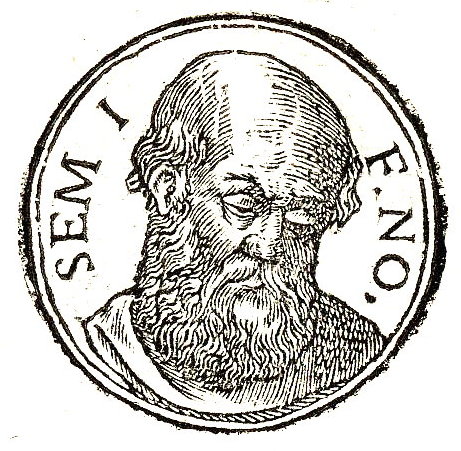

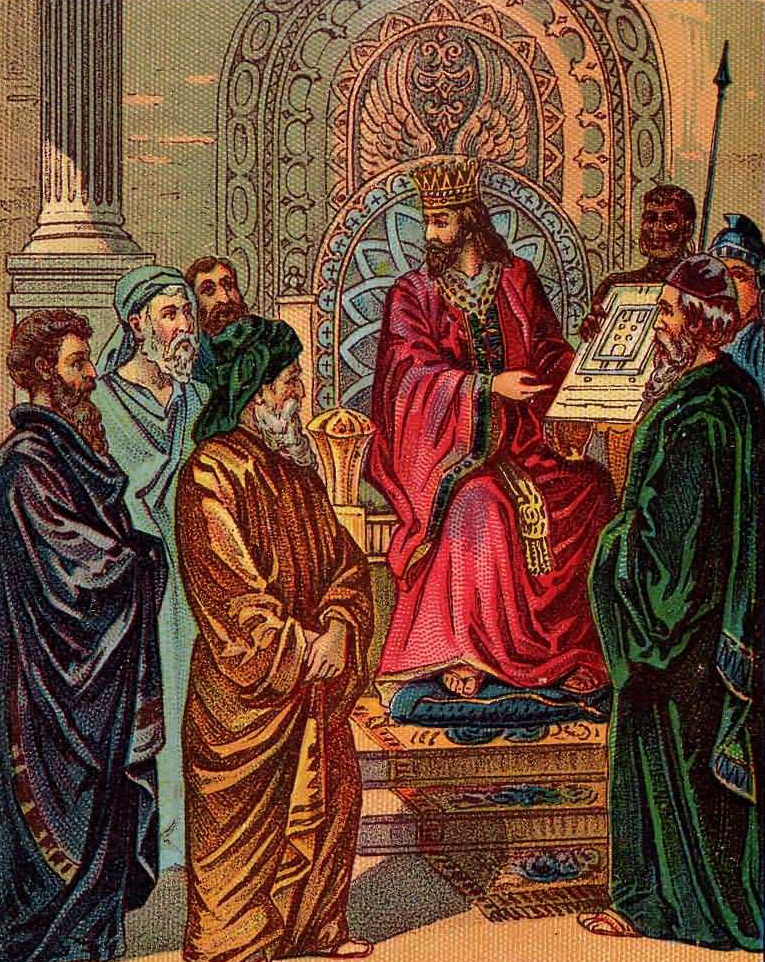
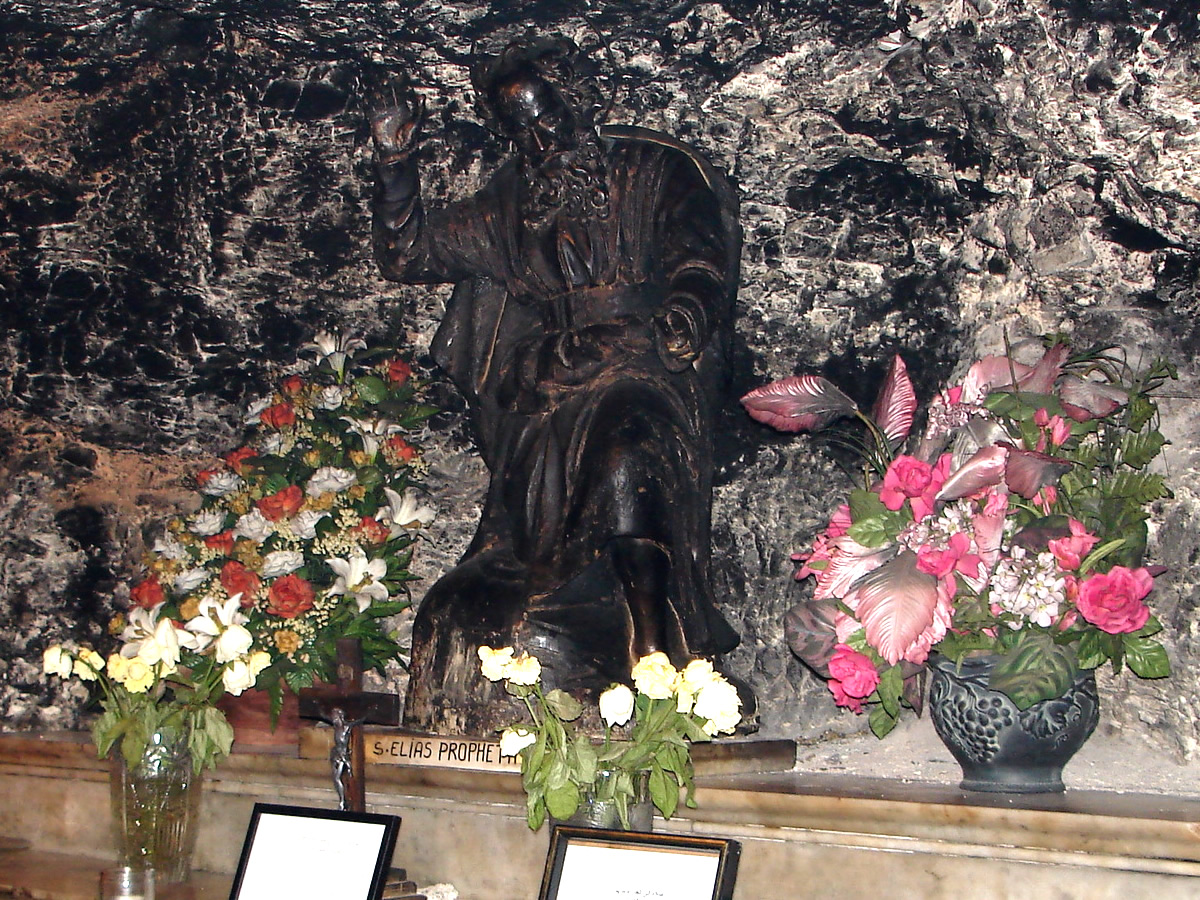
The chronology here is quite jumbled, with Greek events being equated in time with Jewish history, jumping from the time of Joshua, or the Judges, before the Exodus or after the institution of the monarchy. In Chapter 34, he says that "Prometheus and Epimetheus discovered a stone tablet with an inscription which had been written…in the days of the ancients…And Elijah the prophet interpreted the verses." As we had seen from Hesiod, Prometheus and Epimetheus were prior to mortal humanity, while Elijah lived well after the division of the Jewish kingdom in two. In Chapter 36, John says that Orpheus wrote a "Theogony." Heracles is again mentioned as part of the voyage of Jason and the Argonauts in Chapters 40-41. Chapters 45 and 47 discuss Troy a bit, although references to the Trojan War are very incidental.

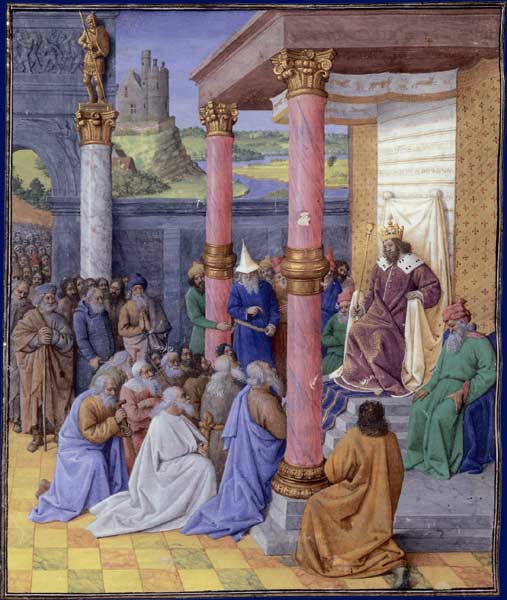
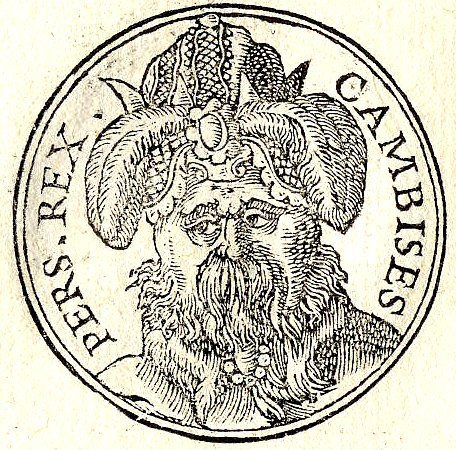
In Chapter 48, John moves directly from Solomon, who built the Temple, to Nebuchadnezzar, who destroyed it. John calls him a king of Persia, rather than Babylonia. After spending two more chapters on his conquests, using especially Apocryphal sources, he turns to Cyrus – who actually was king of Persia – in Chapter 51. John focuses on his relationship with Daniel, and his counsel aiding his victories. Cyrus' son and successor, Cambyses, reversed his father's pro-Jewish policies, and so had troubles in his conquest of Egypt, although he eventually emerged victorious. At the end of this long chapter, I think John has confused himself. He briefly mentions the final few Persian emperors before Alexander the Great, but it reads as if they directly followed Cambyses. This in follows neither the Bible nor Herodotus, and thus he skips over the Persian Wars against Greece completely. He has gotten himself even more out of place such that the Peloponnesian War is completely irrelevant to his purposes.


Looking at the events John chooses to recount, most of which do have plenty of parallels, it is interesting to think about the methodology (if one exists) behind that choice. He uses Greek mythology, fit within a Noahide (with all his emphasis on descent from Noah, however, he never actually wrote about the Flood!) genealogy, to give what really amounts to a geography lesson. He also is very Hellenistic in placing scientific or technological firsts in Greece. He also tends to see the Bible and kingship as the basis of history. Thus he writes about Melchizedek the king, but not Isaac and Jacob the patriarchs. Joseph, because of his relationship to the Egyptian pharaoh, is then an even more curious omission. Because the many Greek leaders in the Trojan War, though kings, function in a way we might recognize as democratic – and defeat the "Eastern" monarchy of Troy – he doesn't pay much attention. When the democratic/oligarchic/timocratic Greeks defeat the Persian Empire, or fight amongst themselves – even though by this point we are at very clear and historically attested material – John doesn't even say anything.
In my next post, I will continue with his take on Rome and Macedonia.
Sunday, September 12, 2010
John of Nikiu: Without Foundation
I wrote my last post before I began reading the Chronicle of John, Bishop of Nikiu (as translated by R. H. Charles, and republished in the Christian Roman Empire series). Over the next day and a half, I read the first half the book, another one that will be entering my "rotation". John's writing demonstrates the great – and silly – pitfalls that come from being without the foundations I was explaining the need for.
John lived in the late seventh century in Upper Egypt, the first generation following the Arab conquest of that country. His work is in the Byzantine chronicle tradition (of which another example to come soon) that I wrote of a few days ago in which all world history is combined into a whole narrative, although some national pride comes through with some focus on Egyptian affairs. According to the introduction (p. iv, §2), the John wrote his Chronicle in Greek, and possibly (in part or in full) Coptic – an Egyptian language written in Greek letters – as well. At some point in time, the text was translated into Arabic, and then in 1602 from Arabic into Ethiopic (p. v). It is only two manuscripts (§3) from this final language that Europeans discovered in the 19th century, and from which the translation to English was made. Thus, it's quite possible that some of the oddities of the history are due to the numerous translation and not John himself; as Charles explains (p. vi, §4), "the Ethiopic translators were…largely ignorant of the historical persons and events described." On the other hand, the notes points to comparisons with other chroniclers, so neither John nor his genre can be completely innocent.
I plan to take a few posts to go over some of the issues I have found with John's Chronicle. The important foundations of history I described were the Jewish and the Graeco-Roman. As a Coptic Christian, John believed in the Coptic tradition, and as an Egyptian he was a cultural heir to the Greek tradition, via the Byzantine Empire, via the Roman Empire, which imported Greek Hellenistic culture, which itself involved both ancient Greek and Egyptian traditions. Anyhow, at the very least he should have had access to some of the Greek literature we have, in addition to the Bible. Yet, he combines mythology with religion in some very weird ways.
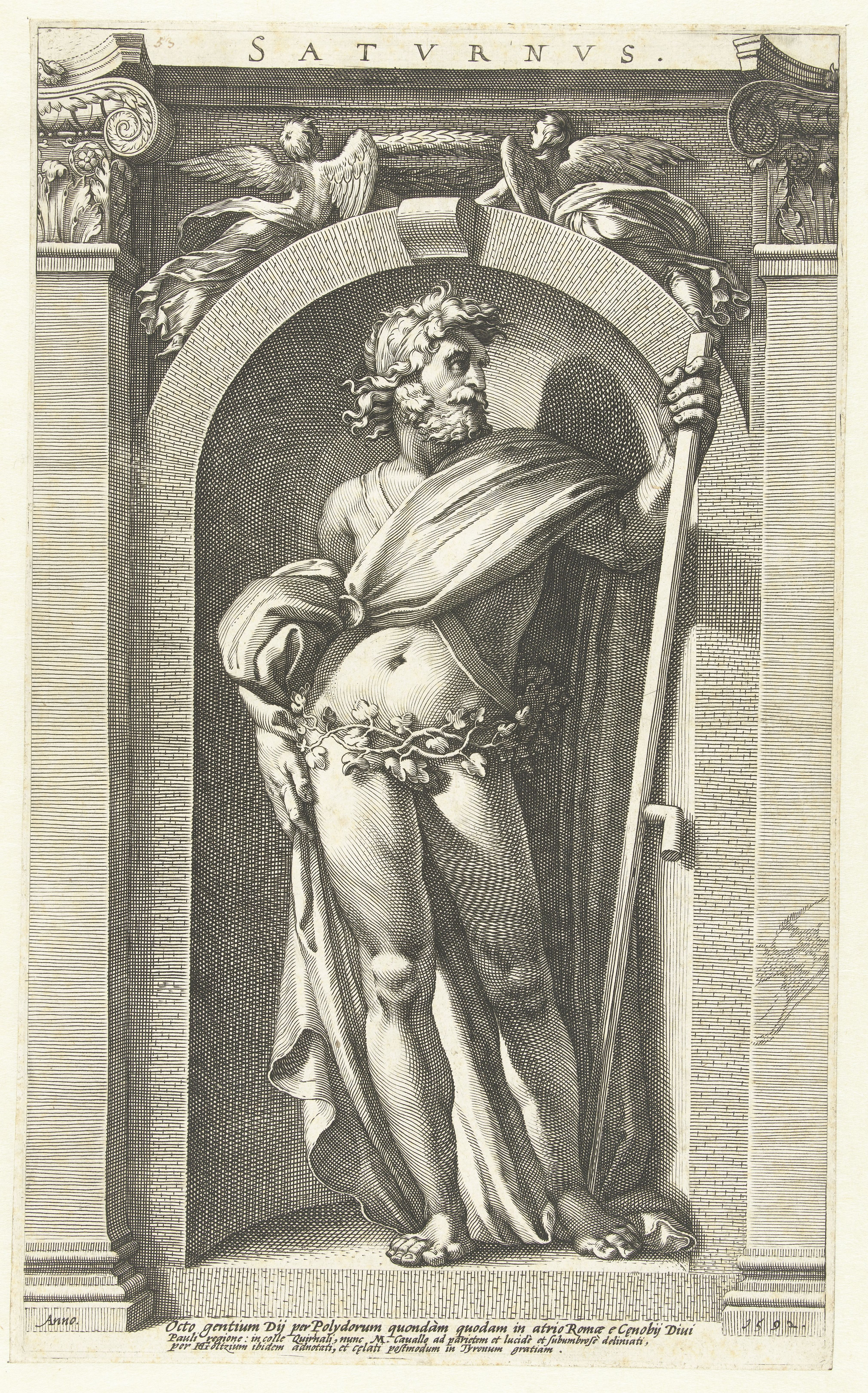
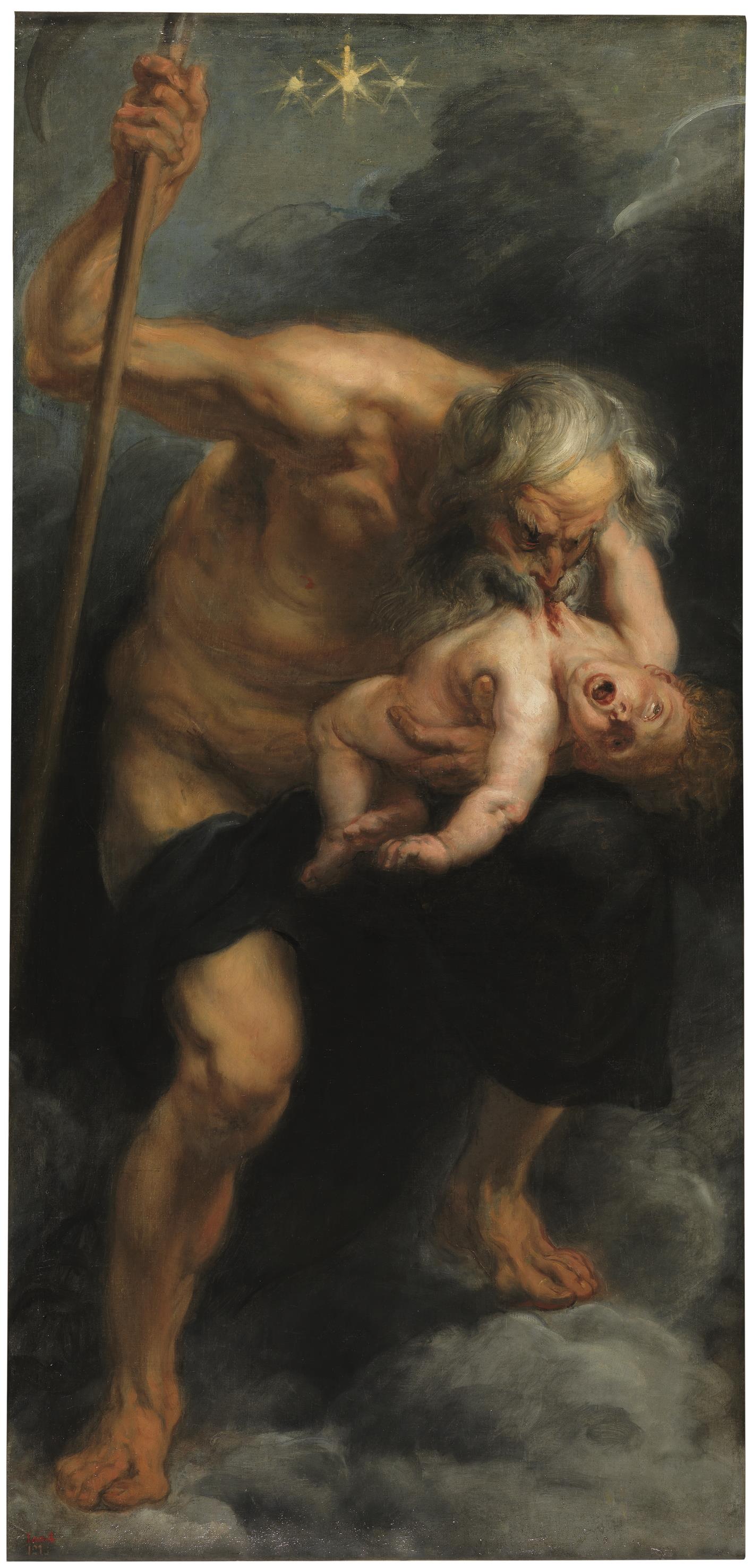
In the second chapter, he explains that Adam's son Seth named the five known planets (excluding Earth); while the notes and the many translations put this into question, it appears that John was suggesting that Seth gave them the Greek version of the names that we use, which is to say the names of Greek and Roman g-ds. Thus, the planets would be Hermes (Mercury), Aphrodite (Venus), Earth, Ares (Mars), Zeus (Jupiter), and Cronus (Saturn). It is later, according to John (Chapter 6), that Cronus, "a giant," who was a descendent of Noah's son Shem – and thus at least ten generations later than Seth – was named after the planet. I don't know whether the stories of mythologies developed before or after the identification of the g-ds with the planets, but even John can't really believe this order of things. Indeed, in the previous chapter, he explains that the Persians worshipped the Biblical giant Nimrod of Babylon, and identified him with the constellation Orion. John further places Cronus in "history," calling him the first king of Persia and Assyria (his distinctions between the two are never very clear). He married Rhea, as in mythology, but here an "Assyrian woman," and they have two sons: Zeus (also called "Picus") and Ninus. Zeus, of course, was Cronus' youngest son with Rhea in Greek mythology, while Ninus (as John explains) was the founder of the Assyrian capital Nineveh. The names, I believe, are identical in Greek, and while John didn't invent him, he may well have been a Greek personification of the city rather than a figure of Assyrian history or lore. Back to following the mythology, Cronus moved "to the west" to rule there, but still Zeus-Picus killed his father "because he devoured his children"; presumably these are the not here named Poseidon, Hades, Hera, Demeter, and Hestia. In myth though, Cronus moves from Greece to Italy after he has been defeated by his son. Based on Chapter 9, it seems that Zeus ruled in the west, as well.

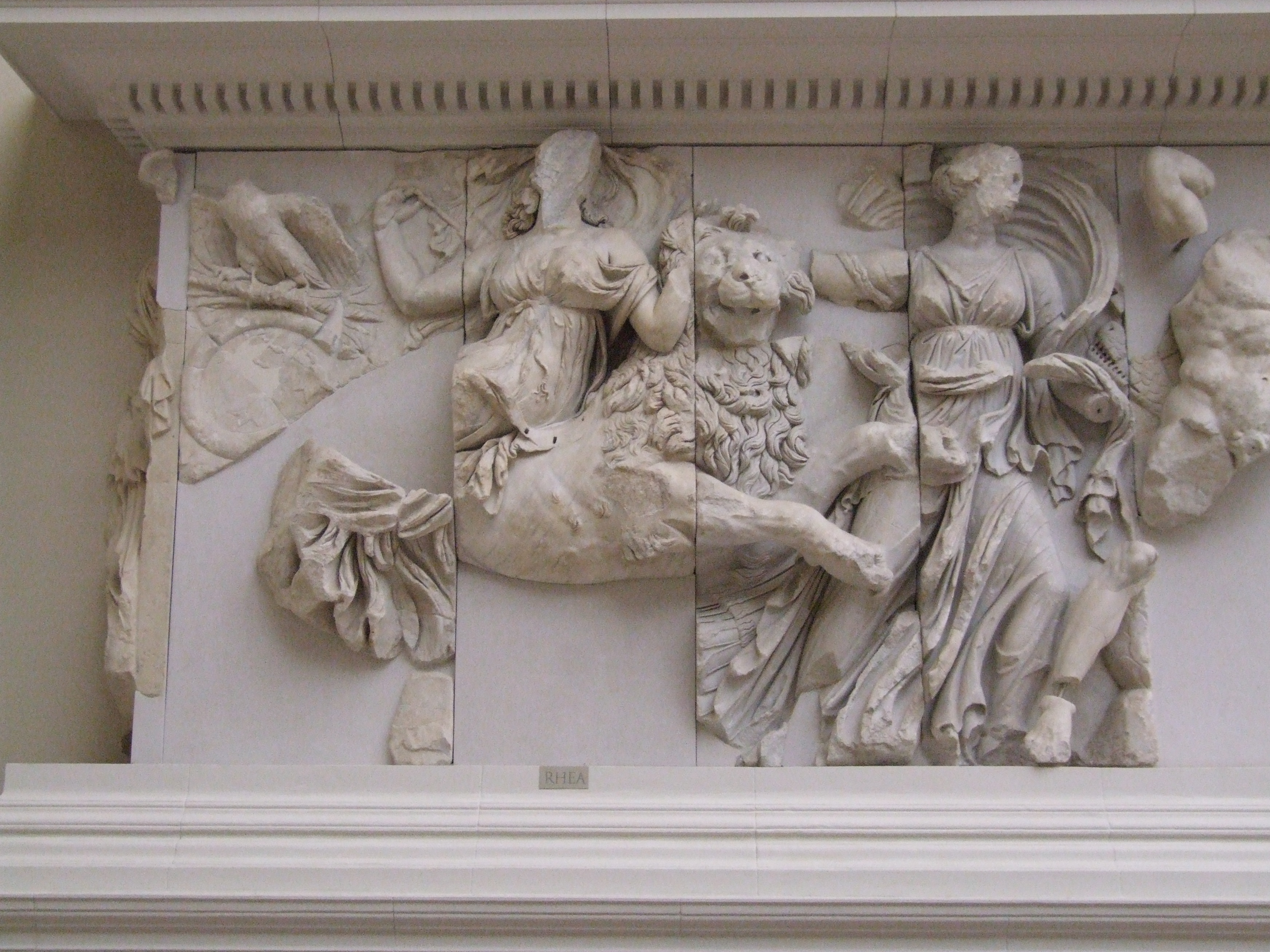




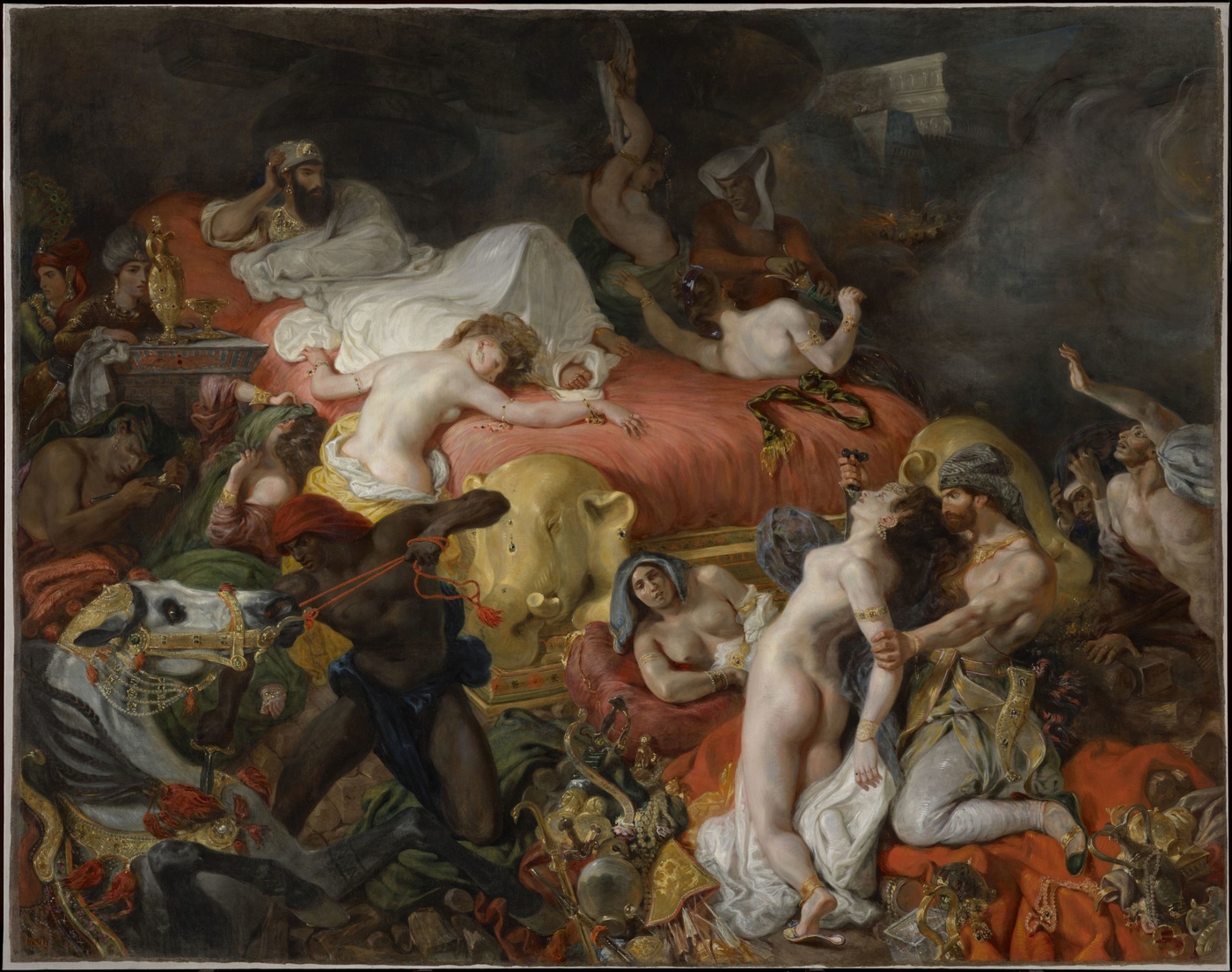
The next chapter has Zeus marrying both his mother Rhea and his sister, who still is not named. In the mythological tradition, Rhea was also overthrown in Zeus' rebellion, but he did marry his sister Hera – and have a daughter (Persephone) by Demeter. "[H]e begat by her a son named Belus": who the mother is is not clear, but I presume it's Hera. Belus, Greek for the Semitic idol Baal, does not match well with either of her sons, but was identified with the Sun (Helios), and eventually Zeus/Jupiter in Hellenistic and Roman times. Belus succeeded his father as king of Assyria, and was followed by Ninus (Chapter 8), who also married his mother, who in Chapter 6 was the same Rhea but now in Chapter 8 is Semiramis, the famous Assyrian queen of legend. Perseus comes to challenge Ninus' sons in Chapter 21; while the mythical Danae is forgotten as his mother, Zeus seems to remain as his father who helps him develop magical powers through the Gorgon (Medusa in mythology), to defeat Sardanapalus, presumably the reigning son of Ninus. Sardanapalus was a name like Semiramis in the legends of Assyria. As the new king, Perseus gives his name to the country, i.e., Persia.


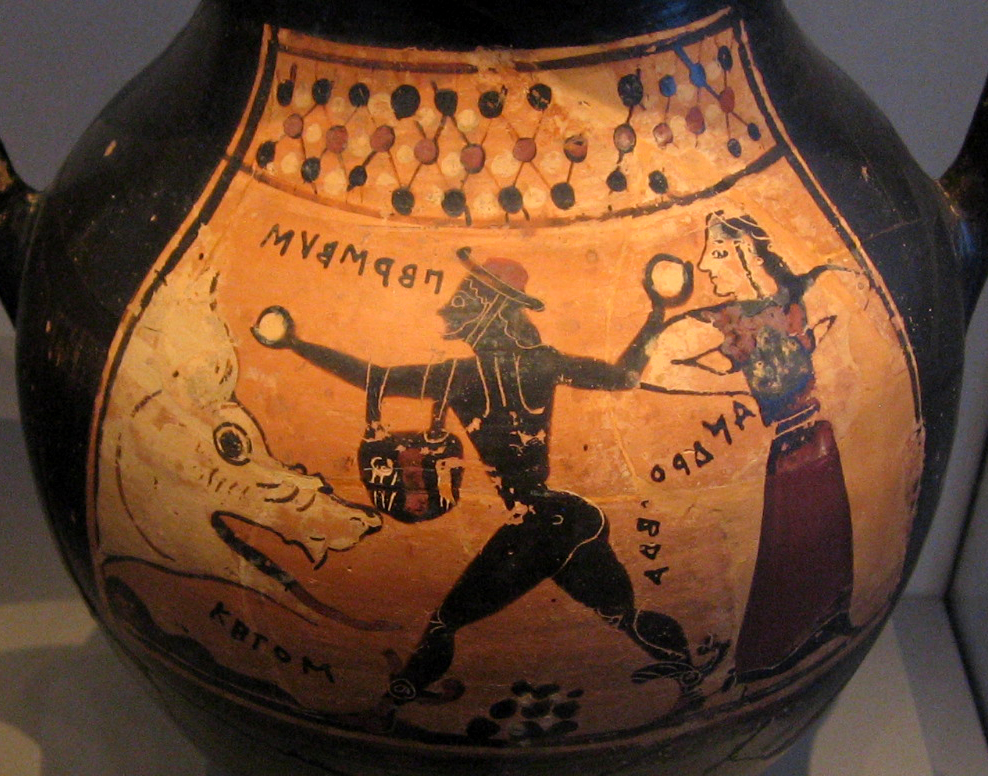
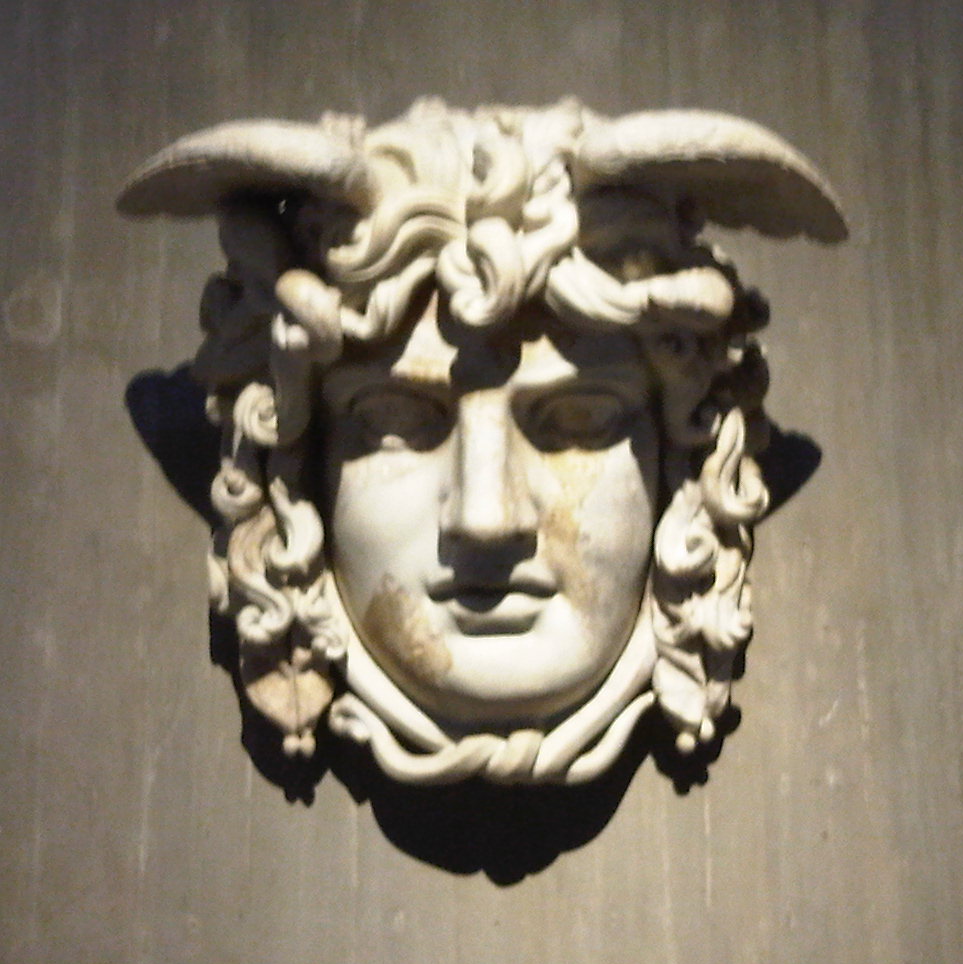
In Chapter 9, Hermes follows Zeus in the west, with an alternate name of Faunus. (Traditionally, the former is the name of the messenger of the g-ds, while the latter is a Roman deity of wildlife [the "fauna" of "flora and fauna"], who was sometimes identified with the Greek Pan, son of Hermes.) As a worker in gold and silver, he drew envy from his brothers and fled to Egypt. His story is reminiscent of the Biblical Joseph. John returns to Hermes in Chapter 15, calling him a sage who explained the doctrine of the Trinity. Chapter 11 explains that Hephaestus was a king in Egypt; otherwise his character follows mythology. Chapter 12 adds that both he and his son who succeeded him were worshipped as the Sun. The next chapter gives Dionysus rule over Egypt as well; both it and the fourteenth name cities in Egypt built by Dionysus and Osiris as identified with Apollo. Heracles (Hercules) was a philosopher of Tyre in Phoenicia who discover silk (Chapter 20).


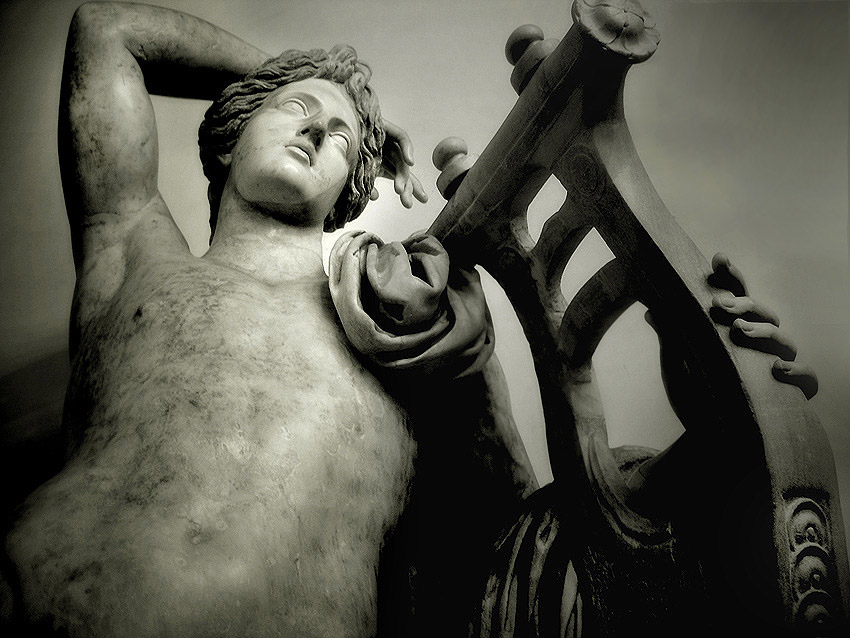
There is too much about John's Chronicle to put in one post, but as my next post will get into the right way to read foundations to Greek prehistory, I will just add that in Chapter 28, Hesiod is named as a descendent of Noah's son Japhet, and called the inventor of Greek writing.
An internet version of Charles' translation can be found at the Tertullian Project.
Subscribe to:
Posts (Atom)